

Which Plywood Is Best For Furniture In India?
The best plywood for furniture in India is the one that stays stable through humidity changes, holds screws reliably, and keeps a clean surface after cutting, edging, and laminating. India’s climate can shift from dry heat to heavy monsoon moisture, and that seasonal swing is exactly where low-quality panels start to show problems like warping, edge swelling, face bubbles, and loose hardware. For consistent furniture performance, focus on core structure, bonding quality, moisture resistance level, and thickness tolerance rather than choosing only by face appearance.
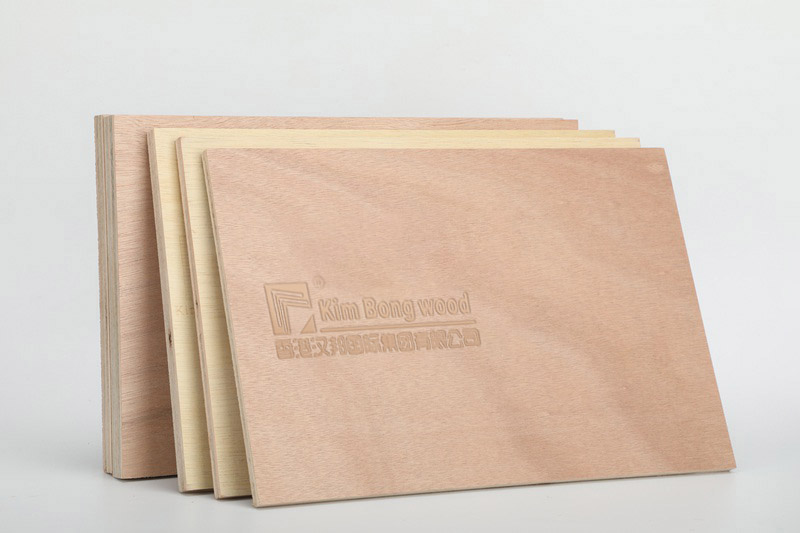
KIM BONG WOOD supplies panel solutions for furniture manufacturing. You can review our multi-layer furniture board for stable production and repeatable machining.
India Climate Factors That Change plywood Selection
Furniture plywood in India often needs stronger moisture control than panels used in more stable climates. High ambient humidity during monsoon seasons can increase the risk of dimensional movement, especially in wardrobes, kitchen cabinets, and long shelves.
Key environment considerations:
Coastal and high-humidity cities need better moisture resistance and stronger bonding
Interior regions with hot summers need panels that resist drying-related deformation
Homes with limited ventilation can create localized moisture around kitchens and bathrooms
Choosing the right panel is about reducing movement across the year, not only preventing visible defects on day one.
The Most Practical Plywood Choices For Furniture
For furniture production in India, these plywood categories are commonly selected based on end use.
Moisture-resistant plywood for general indoor furniture where seasonal humidity is a concern
Higher moisture tolerance panels for kitchens, utility zones, and furniture near sinks
Multi-layer Furniture Boards for cabinets, wardrobes, and panel furniture requiring stability, CNC performance, and consistent thickness
A multi-layer structure is often preferred for furniture lines because the uniform ply build improves flatness and reduces local weak spots in the core.
What To Look For In The Core And Glue Bond
Core quality determines how the furniture holds up after years of opening doors, pulling drawers, and carrying shelf loads. Weak cores can look acceptable on the surface but fail in hardware zones.
Evaluate these points:
Void control in the core to reduce soft areas and edge breakouts
Uniform ply thickness to improve flatness and reduce twist
Strong bonding lines to reduce delamination risk during cutting and long-term humidity exposure
Consistent density to improve screw holding and hinge stability
For buyers comparing suppliers, this is where the real difference shows up in production yield and warranty risk.
Thickness Recommendations For Common Furniture Parts
Thickness should match span length and load. Over-thick panels add cost and weight, while under-thick panels sag and loosen hardware over time.
| Furniture Part | Typical Thickness Range | Practical Reason |
|---|---|---|
| Wardrobe carcass panels | 15–18 mm | stable structure, good hardware fit |
| Shelves | 18 mm and above | reduced sagging under load |
| Kitchen cabinet carcass | 15–18 mm | balance of stiffness and machining |
| Drawer sides and boxes | 12–15 mm | efficient joinery and screw holding |
| Back panels | 5–9 mm | suitable with correct support design |
For tall wardrobes and wide cabinets, stability improves when the core is consistent and the thickness is controlled across batches.
Surface And Finish Compatibility For Indian Furniture Markets
In India, many furniture styles rely on laminate, melamine, veneer, or paint. The plywood face must stay flat and stable under finishing, especially where heat and humidity can stress glue lines.
Selection guidance:
Choose a smooth, defect-controlled face for painted and veneer finishes
For laminate applications, prioritize flatness and bonding stability to reduce surface bubbling
Ensure edges are sealed properly after cutting because exposed edges are the fastest moisture entry path
A good board plus correct edging is often the best defense against seasonal swelling in cabinet interiors.
How To Decide What Is Best For Your Project
The best plywood for furniture in India depends on the room type, usage intensity, and expected service life.
Bedrooms and living rooms: moisture-resistant panels with stable cores are usually sufficient
Kitchens and utility spaces: prioritize higher moisture tolerance and strong bonding performance
Commercial interiors and repeated-use furniture: focus on consistency, CNC stability, and reliable hardware holding
For bulk order production, the best choice is the panel that stays consistent across shipments so cutting parameters, drilling templates, and finishing steps do not need constant adjustment.
Why KIM BONG WOOD Multi-Layer Boards Fit Furniture Production
KIM BONG WOOD provides multi-layer panels designed for furniture manufacturing where stability and processing consistency matter. Our multi-layer furniture board is built to support clean cutting, stable thickness, and dependable assembly performance, which helps reduce rework and improves production predictability for project buyers and long-term supply programs.
Conclusion
For furniture in India, the best plywood is the one engineered for humidity swings, strong core bonding, and reliable machining, not just a good-looking surface. Prioritize core uniformity, void control, stable glue bonds, and the right thickness for each furniture component. This approach reduces warping, edge issues, and hardware loosening across seasons.
For help selecting the right furniture plywood specification for your cabinet line, wardrobe production, or project requirement, contact KIM BONG WOOD through our multi-layer furniture board page. Share your application, target thickness, finish type, and usage environment, and our team will provide practical guidance for stable long-term performance.
Previous: Is Osb Good for Walls?