

Is Osb Good for Walls?
OSB can be a good choice for walls when the project needs a material that is practical, stable, and visually natural. It is widely used in interior wall applications because it offers a solid structure, a distinctive wood-chip texture, and a balance between function and appearance. For many buyers, the real question is not whether OSB can be used on walls, but whether it is the right wall material for the space, the finish standard, and the long-term use conditions.
In everyday interior projects, wall materials need to do more than cover a surface. They should be easy to install, hold their shape well, and fit the overall design of the room. OSB is often chosen because it can handle these basic requirements while also giving the wall a more textured and architectural look. In homes, studios, commercial interiors, and some light-duty partition applications, it gives a different feel from plain gypsum board or decorative laminate panels.
That said, OSB is not automatically the best option for every wall. Its suitability depends on where it is used, how the surface will be finished, and how much moisture exposure the wall may face over time. When those conditions are considered properly, OSB can be a very practical and attractive wall panel option.
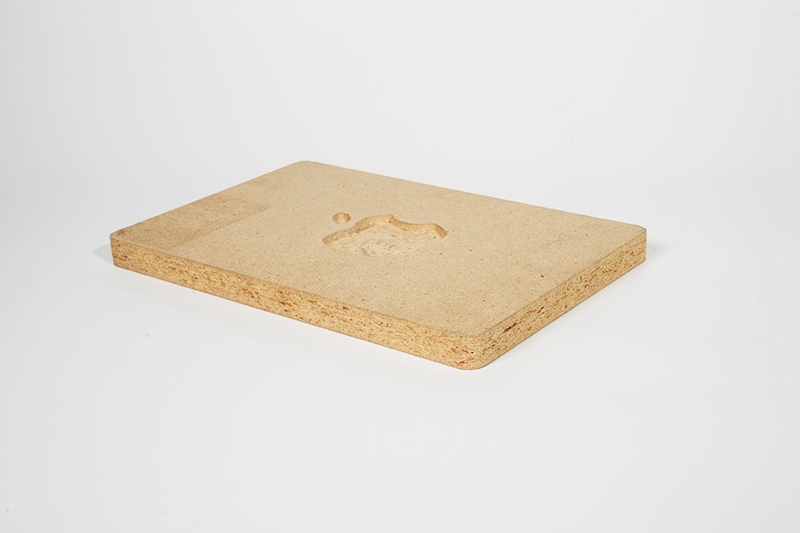
What OSB Is And Why It Is Used On Walls
OSB stands for oriented strand board. It is made by pressing wood strands together in layers with adhesive under heat and pressure. Because the strands are arranged in a controlled direction, the board has a more structured internal layout than many people expect. This is one reason it is often valued for wall use. It is not just a rough wood board. It is an engineered panel designed for consistency and strength.
For wall applications, OSB is often chosen for two main reasons. The first is performance. It offers good rigidity, useful screw-holding ability, and a surface that can work as both a backing layer and a visible finish in some interiors. The second is appearance. Many designers and builders like its natural texture because it gives the wall a warmer and more original look than plain painted surfaces.
Why OSB Can Be A Good Wall Material
One of the main advantages of OSB on walls is strength. A wall panel should not feel weak or unstable after installation, especially in active interiors where furniture, equipment, or everyday movement may put the surface under light impact. OSB gives the wall more body and a more solid feeling than thinner decorative coverings.
Another reason OSB works well is installation convenience. It can be cut, fixed, and adjusted with common woodworking tools, which makes it practical for both standard interior construction and customized wall layouts. For projects that need efficient installation and flexible panel handling, this is a useful benefit.
OSB also works well when the goal is to create a natural interior style. Its surface pattern is visually distinctive, so it can be used as part of the design rather than hidden completely. In modern rustic, industrial, and casual commercial interiors, that natural surface often becomes part of the wall’s appeal.
Is OSB Better For Structural Walls Or Decorative Walls
OSB can work in both roles, but the answer depends on how the wall is being built. In some construction systems, OSB is used behind the finished wall as a support layer that adds rigidity and fastening strength. In other projects, it is used as the visible wall finish itself.
As a backing layer, OSB is valued because it helps create a firmer wall surface and makes it easier to fix shelves, fittings, or decorative elements later. As a visible decorative wall board, it is chosen more for texture, warmth, and practical durability. This makes it a flexible material, especially in projects where the buyer wants both function and a more natural look.
How OSB Performs In Daily Interior Use
For many interior walls, daily use performance matters more than technical appearance on paper. A wall panel needs to stay flat, resist minor knocks, and remain easy to maintain. OSB is often appreciated because it offers a good balance here. It is generally more robust than many light decorative wall coverings, and it can help the wall feel more stable in real use.
It can also support a more comfortable indoor environment when used as part of a well-designed wall system. In some interiors, buyers choose it not only for looks, but also because it contributes to a more solid wall build with useful sound and thermal support compared with very thin surface materials.
Where OSB Works Best On Walls
OSB is usually a better fit for interior wall applications where the project values durability, practical installation, and a wood-based visual style. It can work well in residential rooms, workspaces, creative studios, commercial feature walls, and some public interiors where a warmer, less formal material is preferred.
It is especially suitable where the wall needs to be both functional and presentable. For example, in a workspace or utility room, OSB can provide a tougher surface than a simple decorative finish. In a design-led interior, it can also be left visible to create a textured statement wall.
What To Watch Before Using OSB On Walls
Even though OSB can be good for walls, it should still be selected with care. Moisture is one of the main points to consider. Interior wall use is generally the safer choice, especially when the space has stable humidity and good ventilation. In places with repeated moisture exposure, the board type, sealing method, and installation details become more important.
Surface expectation also matters. OSB does not look like a perfectly smooth painted panel. Its texture is part of its character. That is a benefit in many projects, but not in every design style. Buyers should be clear from the beginning whether they want a decorative wood-texture wall or a fully hidden substrate.
The final point is finish planning. Some projects leave the board visible, while others paint, seal, or cover it further. Choosing the right finish method will affect both appearance and long-term maintenance.
Is OSB A Good Choice Compared With Other Wall Boards
OSB is not meant to replace every other wall board, but it offers a strong option in the right setting. Compared with more fragile decorative panels, it usually feels stronger and more practical. Compared with plain drywall surfaces, it provides a more natural and textured appearance. Compared with some lower-strength wood-based boards, it is often chosen when buyers want a better balance of structural feel and visual character.
That is why the answer is usually yes, OSB is good for walls, especially when the project needs a reliable panel that looks natural and installs efficiently.
Conclusion
OSB is a good wall material for many interior projects because it combines strength, practical installation, and a distinctive natural appearance. It can work as a backing panel or as a visible wall finish, depending on the design goal. The key is to match it with the right environment, especially indoor spaces where moisture is controlled and the surface texture suits the overall style.
When selected and installed properly, OSB can help create walls that feel more solid, look more original, and perform well over time. If you are comparing wall board options for residential, commercial, or customized interior projects, feel free to contact us. We can help you review panel thickness, surface needs, and application requirements so you can choose a more suitable OSB solution for your project.