

What Is Multi-Layer Solid Wood Panels?
multi-layer solid wood panels are engineered wood boards made by bonding several layers of wood veneers together under pressure. The grain direction of each layer is usually arranged across the next one, which helps the board stay more stable during daily use. Because of this structure, the panel is often used in furniture, interior decoration, cabinetry, shelving, and other applications where strength, flatness, and durability all matter.
Many buyers first hear the name and assume it refers to solid timber in the traditional sense, but the actual idea is different. This type of panel is built from multiple wood layers to improve performance. It keeps much of the natural feel of wood while offering a more controlled structure. That is why it is widely used in furniture manufacturing and interior projects where appearance and practicality need to work together.
In simple terms, Multi-Layer Solid Wood Panels are a practical alternative for projects that need a board with better dimensional stability than ordinary solid wood and a more natural character than some lower-grade engineered boards. For manufacturers, designers, and buyers, it is a material that balances strength, workability, and visual appeal.
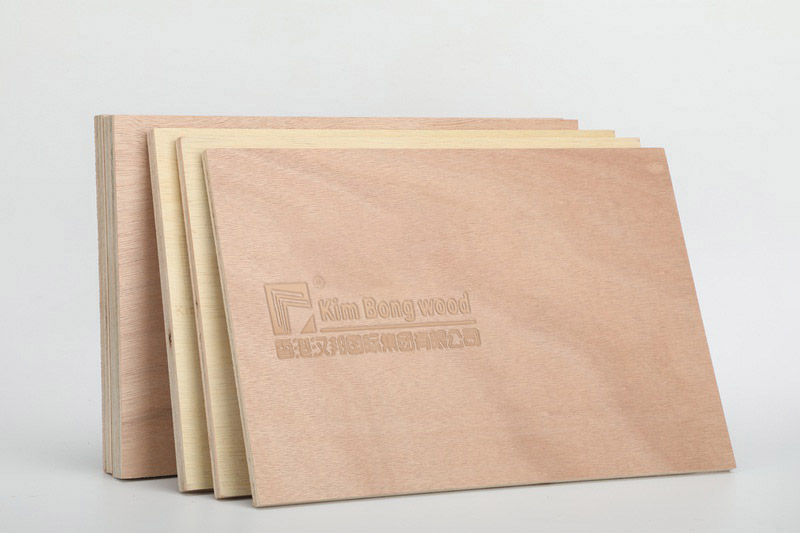
How multi-layer solid wood panels Are Made
The manufacturing process starts with thin wood veneers or sliced wood layers. These layers are arranged one on top of another and bonded with adhesive under heat and pressure. The grain direction of adjacent layers is typically crossed, which helps reduce movement caused by changes in temperature or humidity.
This layered construction is one of the main reasons the board performs well in furniture and decorative applications. Instead of relying on a single thick wood piece, the panel spreads internal stress across multiple layers. That gives it a more stable structure and helps reduce problems such as warping or uneven movement over time.
The final result is a board with a relatively smooth surface, good internal strength, and a more balanced structure for cutting, drilling, nailing, and assembling.
Why This Board Is Popular In Furniture Making
Multi-layer solid wood panels are widely used in furniture because they offer a strong and dependable base material. In many furniture projects, the board needs to remain flat, hold fasteners well, and stay stable after assembly. These panels are often chosen for that reason.
Another advantage is surface quality. A smoother and more even surface makes later finishing work easier, whether the project uses veneer, laminate, paint, or another decorative treatment. For furniture makers, this can help improve both efficiency and final product consistency.
The material is also valued because it keeps a wood-based appearance and feel. Compared with some other board types, it gives furniture a more natural character while still providing the practical benefits of an engineered panel.
What Makes Multi-Layer Solid Wood Panels Different
The main difference lies in the layered structure. Traditional solid wood can look beautiful, but it may respond more obviously to environmental changes. A multi-layer panel is designed to be more controlled. By crossing the grain direction from one layer to the next, the board gains better dimensional balance.
This does not mean it replaces every other wood product, but it does make it a strong choice for many interior and furniture uses. Buyers often prefer it when they want a board that feels stronger and more reliable than lower-end alternatives, while still keeping a wood-based identity.
Its good nail-holding ability is another reason it stands out. In cabinet bodies, shelving structures, desk panels, and furniture frames, stable fastening performance matters a lot.
Common Uses In Interior Projects
This type of board is used in many indoor applications. In furniture manufacturing, it is commonly selected for cabinets, wardrobes, shelving, desks, and table structures. In interior work, it can also be used for wall paneling, partitions, doors, and supporting components behind decorative finishes.
Its versatility is one of its biggest strengths. A single board type can often serve both visible and structural functions depending on the project design. That makes it especially useful for buyers who want one material that can support several production needs.
Because it combines durability with a more refined look, it fits both residential interiors and commercial spaces where furniture or panel systems need to handle regular daily use.
Why Thickness And Specification Matter
Not every project needs the same board thickness. Lighter furniture components may use thinner panels, while cabinets, desktops, and structural furniture parts usually need thicker options for better support. Choosing the right thickness helps the board perform more effectively in real applications.
This is why multi-layer solid wood panels are often offered in several common sizes. A wider thickness range gives furniture makers and project buyers more flexibility when matching the board to different design and load requirements.
For larger projects, customized specifications can also make production more efficient, especially when the buyer needs consistency across a full furniture line or interior system.
Is It A Good Choice For Long-Term Use?
For many interior and furniture applications, the answer is yes. Multi-layer solid wood panels are often chosen because they combine structural stability, surface smoothness, and practical durability. When used correctly in indoor conditions, they can support long-term furniture performance and help maintain a more stable finished shape.
That is one reason they are commonly used in cabinets, tabletops, shelving, interior wall systems, and furniture frameworks. These are all applications where the material needs to perform steadily instead of only looking good at the start.
Conclusion
Multi-layer solid wood panels are engineered wood boards made by bonding several layers of wood veneers together in a crossed structure. This design gives the board better stability, good strength, a smooth surface, and useful fastening performance. Because of these qualities, it is widely used in furniture manufacturing, cabinetry, wall paneling, interior doors, and other indoor applications.
For buyers who need a material that combines the natural character of wood with more reliable structural performance, multi-layer solid wood panels are often a practical choice. If you are comparing furniture board options for interior production or project sourcing, feel free to contact us. We can help you review thickness, application needs, and customization options to find a more suitable panel solution for your project.
Previous: How To Paint Wood Paneling
Next: Is Osb Good for Walls?