

How To Paint Wood Paneling
Wood paneling can completely change the mood of a room. In some spaces it brings warmth and texture, but in others it can make the wall look dark, dated, or visually heavy. That is why painting wood paneling remains one of the most practical ways to refresh an interior without removing the wall system itself. A well-painted panel surface keeps the structure and character of the wall, while giving the room a cleaner, lighter, and more current finish.
Understand The Type Of Wood Paneling First
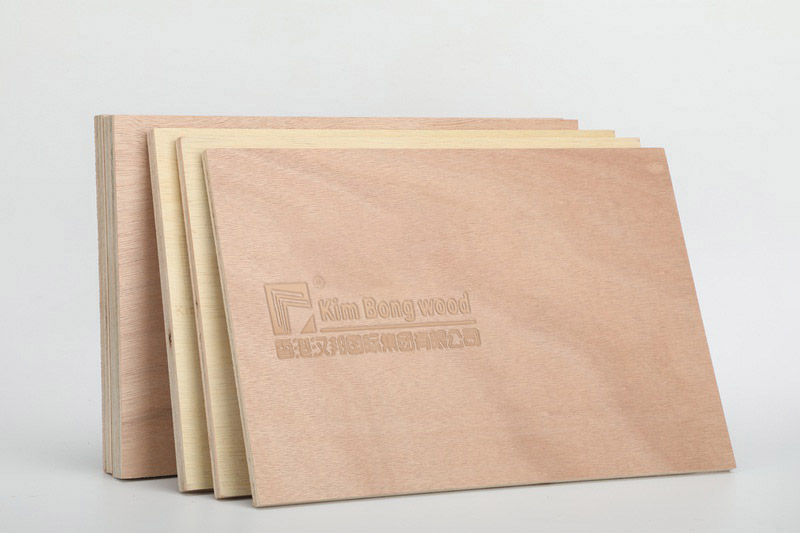
Before opening a paint can, it is important to understand what kind of paneling is on the wall. Some panels are made from solid wood, while others use engineered wood construction such as multi-layer boards or veneered decorative panels. This matters because different surfaces absorb primer differently, and some factory-finished panels are smoother and less porous than unfinished wood.
The existing surface condition is just as important as the panel material. Some paneling has a natural wood finish, some has stain and varnish, and some has already been painted once before. A glossy sealed finish usually needs more surface preparation so the new coating can bond properly. Older wall panels may also have waxy residue, smoke film, kitchen grease, or polish buildup, especially in spaces that have been used for many years.
You should also decide early whether you want to keep the grooves visible or reduce their visual depth. Most painted paneling still shows its lines and joints after finishing, which is part of the look. The goal is usually not to hide the structure completely, but to make it cleaner, brighter, and more refined.
Clean The Surface Before Any Sanding Or Priming
One of the most common reasons painted paneling fails is that the surface was never fully cleaned. Dust is easy to see, but the bigger problem is invisible residue. Cooking oil, hand marks, furniture polish, and airborne dirt can all sit on the panel face and prevent good adhesion. Sanding over a dirty surface often spreads the residue rather than removing it.
Start with a thorough wipe-down using a suitable cleaner that can cut through everyday grime without soaking the panel. Pay close attention to corners, grooves, lower wall areas, and places near switches or door openings where hands often touch the surface. If the paneling is in a kitchen, hallway, or commercial interior, the cleaning step usually takes longer than expected because the buildup is heavier.
After cleaning, let the paneling dry fully. Paint and primer perform much better on a dry, stable surface. Even if the wall looks ready, trapped moisture can affect adhesion and leave patchy results later. A clean and dry wall gives the next steps a much stronger starting point.
Repair Small Defects Without Overworking The Wall
Not every wood panel wall needs filling, but most need some level of surface correction. Nail holes, small dents, open joints, and chipped edges can become more noticeable after painting because the new finish reflects light more evenly than old wood stain. If these details are ignored, the final wall may look freshly coated but still feel rough and unfinished.
Use filler only where it improves the appearance. Small holes and damaged areas can be repaired and sanded smooth, but it is usually unnecessary to fill every groove in traditional paneling unless you are intentionally trying to create a flatter wall look. Keeping the natural line pattern often gives a better result and avoids forcing the material into something it was not meant to be.
If there are loose trim pieces or unstable edges, fix them before moving on. Paint should finish the wall, not hold it together. A sound panel structure always produces a better final appearance than a cosmetic coating placed over movement or gaps.
Sand Enough To Create Adhesion
Sanding is less about removing all the old finish and more about creating a surface the primer can grip. On wood paneling, especially on sealed or decorative surfaces, a light but even abrasion is often enough. The purpose is to dull gloss, smooth repaired spots, and give the coating system a stable base.
The important part is consistency. A panel face that is sanded in some places and skipped in others can absorb primer unevenly, which may lead to flashing or patchy sheen later. The grooves and trim transitions should also be treated carefully because those details are where coating buildup or missed spots often happen.
After sanding, remove the dust completely. Fine sanding dust settles into panel lines and corners very easily. If it is not removed, it can mix with primer and create a rough finish. A clean cloth, soft brush, or vacuum with a brush attachment usually helps produce a more even result.
Prime The Paneling Properly
Primer is the step that makes the entire job more reliable. Many people try to save time by painting directly over wood paneling, but this often leads to bleed-through, uneven color hold, and weaker adhesion. Primer helps block old stain tones, improves paint grip, and creates a more uniform surface from one panel section to another.
This becomes especially important when the original wood is dark, reddish, knotty, or sealed with an older coating. Without a proper primer, the topcoat may need too many layers and still fail to look fully balanced. A good primer also helps the final color read more clearly, which matters when the goal is a bright neutral wall or a clean contemporary finish.
When applying primer, work it into the grooves and edges first, then level out the broader panel faces. This helps prevent heavy buildup in the lines while still covering the full structure. Let the primer cure as directed before deciding whether a second priming pass is necessary. On some dark or uneven panel walls, a second coat creates a much more professional base for the finish paint.
Choose A Finish That Matches The Space
The best paint for wood paneling depends on where the wall is used and how much traffic the room sees. A quiet bedroom and a busy hallway do not need the same finish performance. In residential interiors, a durable interior wall finish with a balanced sheen often gives the best result because it is easier to clean than a very flat surface but still soft enough to look natural on panel lines.
Color choice also changes how the paneling reads. Light colors make grooves appear gentler and help reduce the heavy look that older wood paneling sometimes creates. Mid-tone neutrals can preserve more of the panel texture and add warmth without feeling dark. Deep colors can look dramatic, but they usually emphasize every joint, groove, and brush mark, so preparation must be more precise.
Instead of choosing paint only by color card, think about how the paneling should feel in the room. Should it disappear into the overall wall scheme, or should it remain a visible design feature? The answer will influence both color and sheen.
Apply Paint In The Right Sequence
Painting wood paneling is easier when the order is controlled. Start with the grooves, joints, and narrow profile areas, then move to the broader surfaces. This approach helps prevent missed lines and reduces the chance of uneven buildup along the decorative details. If the main surface is rolled first and the grooves are handled later, the finish often looks inconsistent.
The goal is a balanced film, not a heavy one. Thick paint may seem like a fast way to cover dark wood, but it often settles poorly in grooves and can leave drips or edge buildup. Two controlled finish coats usually look better than one overloaded coat. This is especially true on paneling because the lines catch shadow, which makes coating defects easier to see.
Work in sections and keep the application wet enough to blend, especially on long panel runs. Random starts and stops can leave lap marks or slight texture changes. A steady rhythm usually produces a cleaner and more natural-looking wall.
Pay Attention To Grooves And Edge Details
Grooves are what make wood paneling different from drywall, and they are also where most painting problems show up. Too little paint in the grooves leaves old color visible. Too much paint makes the lines look clogged and heavy. The best result comes from covering them fully while still keeping their shape crisp.
Edges around trim, sockets, windows, and doors need the same level of attention. These transition areas define whether the wall looks professionally finished or merely repainted. A clean line at the trim edge helps the paneling look deliberate and architectural rather than improvised.
This is one reason product quality matters before painting even begins. Stable, smooth panel surfaces are easier to finish evenly, while rougher or less consistent boards demand more preparation and correction. When the panel itself has good dimensional stability and a more uniform face, the painting process becomes easier to control.
Let The Finish Cure Before Daily Use
A painted panel wall may feel dry within hours, but that does not mean it is fully ready for cleaning, furniture contact, or repeated touch. Coatings continue to harden after surface drying, and that cure period affects long-term durability. If objects are pushed against the wall too early or if the paneling is cleaned immediately, the finish can mark more easily.
This matters in family homes, hotels, retail interiors, and fitted furniture environments where wall surfaces are part of everyday use. Giving the paint time to cure properly helps the finish resist scuffs better and keeps the color looking more even over time.
If the room is being renovated as part of a larger project, it is often worth scheduling panel painting early enough that the coating has time to settle before the space goes back into regular use.
Common Problems To Avoid
Several avoidable mistakes tend to cause disappointing results on painted wood paneling. One is skipping primer because the first test patch seemed to stick. Another is under-cleaning glossy or greasy surfaces and assuming the topcoat will cover the problem. A third is using too much paint in one pass and softening the groove detail.
Another frequent issue is choosing the right color but the wrong sheen. A finish that is too glossy can exaggerate surface irregularities and make the wall feel harsher than expected. On the other hand, a finish that is too flat may not hold up well in active areas. The best result usually comes from balancing appearance with realistic day-to-day use.
Painting paneling well is rarely about a shortcut. It is mostly about handling each stage in the right order so the wall looks calm, even, and intentional once finished.
Why Painted Wood Paneling Still Works In Modern Interiors
Some people think wood paneling automatically belongs to older interiors, but that depends more on the finish than on the structure itself. Once painted properly, paneling can feel very current. It adds depth to a room without relying on complicated decoration, and it often brings more texture than a completely flat wall.
This is one reason engineered wood panels remain useful in both renovation and new interior projects. They offer structure, visual rhythm, and practical installation advantages, while still allowing a wide range of paint finishes later. In furniture-based interiors, hospitality spaces, and residential wall systems, that flexibility is valuable because the same panel construction can support different looks over time.
A painted panel wall is not just a cosmetic update. It is a way to keep the wall surface in use while adapting it to a different interior style.
Conclusion
Knowing how to paint wood paneling properly makes the difference between a quick color change and a finish that genuinely improves the room. Good results come from careful cleaning, selective repair, even sanding, reliable priming, and controlled paint application that respects the panel structure instead of fighting it. When each stage is handled with patience, wood paneling can look brighter, cleaner, and far more contemporary without losing its built-in texture.
If you are sourcing wood panels for interior wall applications or want guidance on choosing panel materials that are easier to finish and maintain, feel free to contact our team. We can help you review suitable board options, surface considerations, and practical product details for your project.
Previous: How Is Plywood Made