

When Was Plywood Invented?
plywood does not have one simple birthday. The idea of bonding thin layers of wood together is very old and can be traced back to ancient Egypt. What most people mean by “plywood,” though, is the modern engineered board made through repeatable industrial production. That version started to take shape much later, especially after Samuel Bentham described laminated veneer construction in 1797, and after early plywood patents and commercial production appeared in the 19th and early 20th centuries.
That history still matters today because plywood has never stopped evolving. It began as a smart way to layer wood more efficiently. Now it can also be adapted for specific project needs, including fire safety. That is where Flame Retardant Plywood fits naturally into the discussion. It takes a familiar panel material and makes it more suitable for interiors and projects where fire performance is part of the requirement, not just an added benefit.
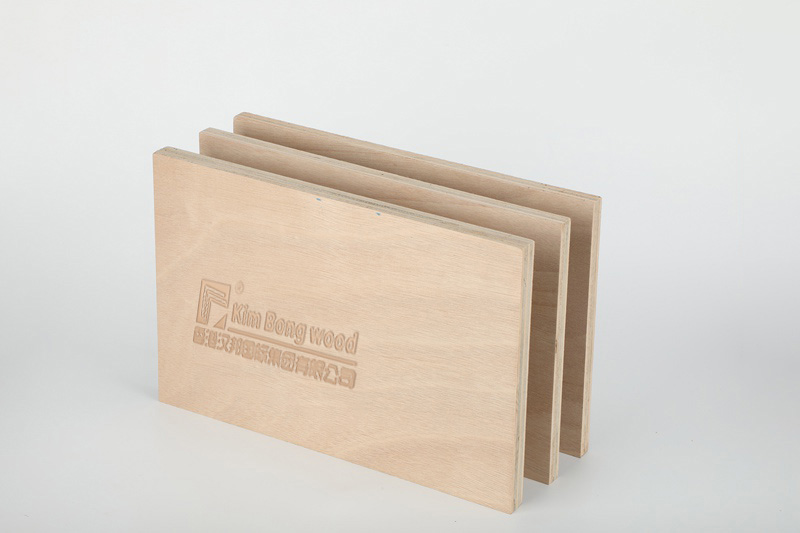
The Idea Came First, Industry Came Later
If we look at the earliest form of plywood, the concept is ancient. Layering wood veneers was already being used thousands of years ago, mainly to make better use of valuable timber and improve appearance. But that early method was not yet the same as modern plywood manufacturing. It was more of a craft process than a standardized product.
Modern plywood really started to become recognizable when veneer production and lamination moved into machinery-based manufacturing. Samuel Bentham’s 1797 patent work is often treated as one of the key turning points because it described the idea of gluing veneer layers together to create a thicker board. Later, an 1865 U.S. patent helped push plywood further into industrial use, and by the early 1900s plywood was becoming commercially important in building and furniture production.
Why Plywood Became So Widely Used
Plywood did not become common just because it was new. It became common because it solved real problems. Solid wood can warp, crack, or become harder to source in wide, stable pieces. Plywood offered a more efficient panel format with better dimensional stability and broader size options. That made it useful in furniture, cabinets, doors, interior panels, and construction.
For buyers, that is still the main point today. Plywood is not popular because of its history alone. It is popular because it is practical. It balances strength, workability, and cost in a way many materials still cannot match easily.
How The Material Evolved Over Time
One reason plywood has stayed relevant for so long is that it keeps adapting to newer project demands. Standard plywood may be enough for some furniture or panel work, but many commercial and public projects need more than standard performance. They may need fire resistance, moisture resistance, or more stable long-term behavior under tougher conditions.
That is why engineered versions of plywood matter. In this case, flame retardant plywood shows how the category has moved forward. It is still plywood, but it is treated and produced for spaces where slowing flame spread and improving fire response time are important. In other words, the material kept its core structure, but its application value expanded.
Where Flame Retardant Plywood Fits Today
For many buyers, the history of plywood is interesting, but the real question is what that history has led to. In today’s market, plywood is not just a basic wood panel. It can be tailored for project-specific needs. Flame retardant plywood is a good example of that shift.
This product direction is more suitable for interiors where fire performance matters, such as public buildings, commercial spaces, engineered interior projects, and furniture programs that need to meet stricter standards. The Hanbang product line presents flame retardant plywood as a panel option designed to slow flame spread while still keeping the practical advantages of plywood itself. It is also offered in common thicknesses such as 5 mm, 9 mm, 12 mm, 15 mm, and 18 mm, which makes it easier for buyers to match the board to different applications instead of treating it as a one-size-fits-all material.
Why This Matters For B2B Buyers
For importers, distributors, and project buyers, the date plywood was invented is not just a history fact. It helps explain why the material is so established and why it continues to be trusted across industries. A product category that has lasted this long usually does so because it keeps solving practical problems.
That is also why buyers now look beyond basic plywood and compare upgraded versions more carefully. In many projects, the question is no longer simply “Should I use plywood?” It becomes “Which kind of plywood best fits this job?” If a project includes more demanding fire-safety expectations, then flame retardant plywood becomes much more relevant than a standard board. That makes the product easier to position in modern specification-driven markets.
Conclusion
So, when was plywood invented? The most accurate answer is that the idea is ancient, the modern concept was clearly described in 1797, and commercial plywood developed through the 19th and early 20th centuries. It was not invented in one moment. It developed over time into the engineered panel material buyers use today.
That longer history is also why plywood still has such a strong place in today’s market. It has had time to evolve, and products like flame retardant plywood show how the category continues to adapt to current project needs. If you are comparing plywood options for interior work, commercial supply, or fire-related applications, feel free to contact us. We can help you review a more suitable board solution based on your product requirements and project direction.
Previous: How Much Does A Sheet Of 3 4 Plywood Weigh?
Next: How Thick Is Plywood?