

What Is Ply Made Of?
When buyers ask what is ply made of, they usually want a simple answer. Ply is made from thin layers of wood veneer that are glued together under pressure to form one board. These layers are arranged so the grain direction of one layer crosses the next, which helps the board stay stronger and more stable than a single solid wood sheet. In furniture and interior work, this structure is one of the main reasons plywood is widely used.
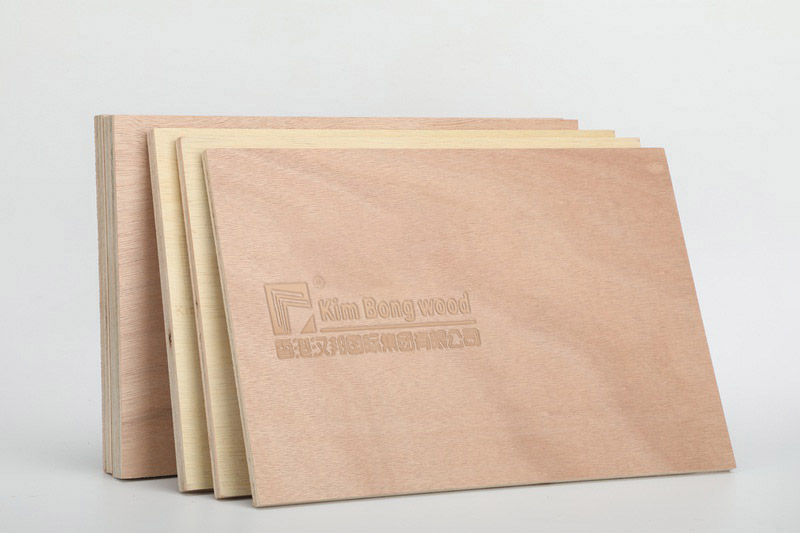
Our product is multi-layer solid wood panels, which belong to the plywood category. It is made by cutting wood into thin veneers and bonding three or more layers together with adhesive. The crossed grain structure gives the board better shape stability, a smoother surface, and more balanced strength for furniture and interior applications.
The Basic Structure Of Ply
Ply is not made from one thick piece of timber. It is built from several thinner wood layers pressed into one panel. Each layer supports the next, and the crossing grain direction helps reduce problems such as bending, cracking, or uneven movement. This is why plywood is often chosen for cabinets, shelving, desks, and other furniture parts that need dependable performance over time.
In practical terms, the answer to what is ply made of includes two main parts: wood veneers and adhesive. The wood provides the body and strength of the board, while the adhesive keeps the layers bonded into one stable panel. When these parts are processed well, the result is a board that is easier to use in production and more consistent in finished products.
Why The Layered Design Matters
The layered construction is what makes ply different from ordinary solid boards. In a single wood board, the grain runs in one direction, so the board can react more strongly to moisture and temperature changes. Plywood spreads that movement across multiple layers, which helps improve stability and durability.
For B-end buyers, this matters a lot. A board may look good at delivery, but if it moves too much later, it creates trouble in furniture assembly, surface finishing, and long-term use. Multi-Layer Solid Wood Panels are designed to reduce that risk by using a structure that holds shape more reliably in daily use.
What Materials Are Commonly Used In Ply
The main material in ply is wood veneer. These veneers can come from different kinds of timber depending on the target market, cost level, and performance need. In furniture-grade boards, buyers usually care less about one specific species name and more about whether the board is smooth, stable, and strong enough for machining and assembly.
The other essential material is adhesive. Without adhesive, the veneers would remain separate layers. With proper bonding under pressure, they become one complete board with better structural performance. This is why the quality of bonding matters just as much as the wood itself. A board with poor bonding may look acceptable at first but perform poorly in cutting, nailing, or long-term furniture use.
How multi-layer solid wood panels Fit This Topic
Our multi-layer solid wood panels are a direct example of what ply is made of and how it is used in real production. They are offered in common thicknesses such as 5 mm, 9 mm, 12 mm, 15 mm, and 18 mm, which makes them suitable for different furniture and interior requirements. The boards are also produced for furniture-related use, where smooth surface quality, nail holding force, and water resistance all matter in practical work.
This is important for buyers because the question is rarely only about raw composition. They also want to know whether the board is suitable for cabinetry, shelving, desktops, wall panels, or structural furniture parts. In this case, the layered plywood structure is meant to support exactly those kinds of applications.
Why Buyers Ask This Question
In sourcing, what is ply made of is often really a quality question. Buyers want to understand what they are paying for. They want to know whether the board will hold screws well, stay flat, accept surface finishes, and remain stable after installation.
This is where structure becomes more meaningful than a simple material label. A board made from multiple bonded veneers with balanced grain direction usually gives a better base for furniture production than a less stable panel. That is why multi-layer plywood remains a practical choice in both residential and commercial furniture work.
What This Means For Furniture Manufacturing
For furniture factories, plywood is valued because it is easier to standardize. It can be cut, drilled, and assembled into repeatable products with more predictable performance. Our multi-layer solid wood panels are described as suitable for cabinetry, shelving, tabletops, desks, wall paneling, furniture frameworks, doors, and partitions, which shows how widely this structure can be used in manufacturing.
This also helps with project work. Buyers do not want boards that only look good in sample form. They need panels that work across batches, hold shape in assembly, and support long-term use after installation. A well-made ply board is useful because it combines workable structure with practical versatility.
Conclusion
So, what is ply made of? In simple terms, it is made of thin wood veneers bonded together with adhesive and arranged in crossing layers. That layered structure is what gives plywood its strength, stability, and broad usefulness in furniture and interior work. Multi-layer solid wood panels follow this same principle, which is why they are a practical choice for cabinets, shelving, desks, wall applications, and other furniture components.
If you are comparing plywood options for furniture production or interior projects and want to understand which thickness or structure suits your needs better, feel free to contact us. We can help you review the right specification and offer practical suggestions based on your application.