

How Thick Is 3 Ply Plywood?
In simple terms, 3 ply plywood is made from three layers of veneer bonded together. Each layer is arranged with the grain direction crossing the next, which improves stability compared with solid wood. However, the final thickness is not fixed. It depends on veneer thickness, pressing conditions, sanding process, and the intended use of the board.
This is where many buyers face confusion. They ask about 3 ply plywood thickness, but what they actually need is a clear understanding of how thickness connects to application. A thinner board may work well for lightweight structures, decorative backing, or packaging, but it may not be strong enough for furniture frames or load-bearing parts. That is why the discussion should go beyond a single thickness number.
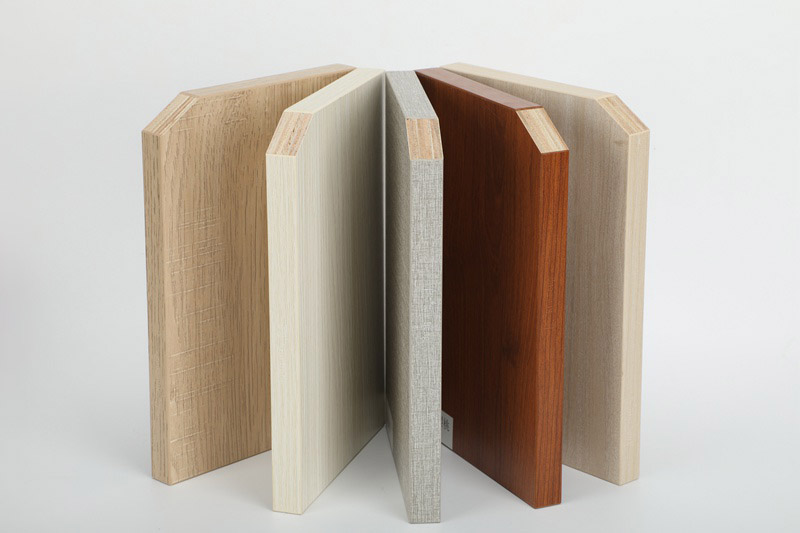
What 3 Ply Plywood Means In Real Use
The term 3 ply refers to a three-layer structure with one core and two outer layers. This cross-layer construction helps reduce warping and improves dimensional stability. It is a basic but effective design that has been used widely across different industries.
However, in real sourcing, 3 ply does not always equal one standard thickness. Different factories produce different thickness ranges depending on their target markets. Some focus on thin decorative panels, while others produce slightly thicker boards for structural or semi-structural use.
For B-end buyers, this difference is critical. Even small thickness variations can affect cutting accuracy, joint fitting, edge banding, and final assembly. A board that works well as a sample may become problematic in bulk production if thickness tolerance is not stable.
Why Thickness Alone Is Not Enough
Looking only at thickness can lead to wrong decisions. Two boards with similar thickness may perform very differently depending on veneer quality, bonding strength, and moisture control.
For example, if the plywood is used in furniture manufacturing, buyers need to consider flatness and stability during machining. If it is used for packaging or transport, impact resistance becomes more important. If it is used for interior panels, surface quality and emission standards may be a concern.
This is why experienced buyers usually work with a supplier who can explain how structure, thickness, and application are connected. A reliable supplier does not just give a number. They help define what thickness actually works for the intended use.
How Our Multi Layer Plywood Fits This Discussion
Our product range focuses on multi-layer plywood, which is built using multiple veneer layers arranged in a cross structure. This naturally extends the idea of 3 ply plywood into a more stable and versatile material solution.
Many buyers start by asking about 3 ply plywood, but during actual sourcing, they often move toward multi-layer options for better strength and consistency. This is especially common in furniture production, interior construction, and long-term supply programs where stability matters more than minimal cost savings.
The boards we supply are commonly used in furniture components, interior structures, packaging panels, and other industrial applications. Standard thickness options such as 8mm and 18mm are widely used, and custom sizes can also be arranged based on project needs. This flexibility is important for buyers who are planning OEM or ODM production rather than purchasing one-time stock items.
Understanding Thickness Expectations In The Market
In general, 3 ply plywood is considered a thinner board category. It is often selected for applications where lightweight material is required and heavy load performance is not critical.
However, buyers should not rely on general assumptions. The actual thickness should always be confirmed during inquiry, including tolerance range and sanding allowance. Consistency is often more important than the nominal thickness itself.
A common issue in sourcing is that the first batch meets expectations, but later orders show variation. This can lead to processing problems and additional cost. That is why buyers should always discuss thickness stability and repeat production capability with their supplier.
Why Professional Buyers Focus On Ply Structure
For end users, the board only needs to look good and feel strong. For professional buyers, the internal structure is equally important. The number of layers affects strength, stability, and machining performance.
A lower ply structure may be suitable for cost-sensitive or lightweight applications, but for furniture manufacturing or repeated machining, a multi-layer structure often provides better results. It reduces deformation risk and improves overall reliability.
This is one reason why many buyers prefer to work with a Multi Ply Plywood Manufacturer. They need more than just supply. They need technical understanding, consistent quality, and long-term cooperation support.
The Role Of OEM And ODM In Plywood Sourcing
In plywood sourcing, OEM and ODM go beyond simple branding. Buyers often need adjustments in thickness, panel size, surface finish, or packaging to match their market requirements.
Some customers are building private label product lines. Others are supplying materials for specific projects. Some need boards that match existing production standards. In all of these cases, flexibility from the supplier becomes a key factor.
Our product range supports this type of cooperation. Whether it is size adjustment, packaging customization, or specification alignment, the goal is to help buyers integrate the material into their business smoothly.
Common Problems Buyers Face
One major issue is inconsistency. Thickness variation, uneven bonding, or unstable moisture control can create problems during processing. Another issue is lack of communication. Some suppliers provide limited information, leaving buyers to solve technical issues on their own.
There is also the problem of choosing the wrong structure. Some buyers focus only on cost and select 3 ply plywood for applications that require more stability. This can lead to higher long-term cost due to waste or product failure.
Working with a supplier who understands these challenges can help reduce risk. A practical discussion about application, structure, and production requirements often leads to a better decision than simply comparing prices.
How To Choose The Right Thickness And Structure
The best starting point is the actual application. If the board is used for light-duty or decorative purposes, a thinner plywood may be enough. If it is used in furniture or structural components, a multi-layer board is often a better choice.
Buyers should also consider processing requirements, such as cutting, drilling, or lamination. Stable thickness and consistent quality make these processes smoother and more predictable.
This is where a supplier's experience becomes valuable. A good supplier can recommend the right balance between thickness, structure, and cost, based on real production needs.
Conclusion
So, how thick is 3 ply plywood? It depends on how the board is made and how it will be used. The term describes a three-layer structure, but the actual thickness can vary. For professional buyers, the more important question is whether the material fits the application and whether the supplier can provide consistent quality.
Many customers start with 3 ply plywood and then move toward multi-layer solutions for better performance. If you are planning a project, developing a product line, or looking for a Multi Ply Plywood Manufacturer who can support OEM, ODM, and bulk supply, you can share your requirements with us. We can help you match the right thickness and structure so your sourcing process becomes more reliable and efficient.
Previous: How Is Plywood Manufactured?
Next: What Is Ply Made Of?