

How Is Plywood Manufactured?
Plywood is manufactured by bonding thin layers of wood veneer together under heat and pressure. That may sound simple at first, but for buyers in furniture production, interior construction, and bulk material sourcing, the process behind plywood matters a great deal. It affects strength, flatness, moisture resistance, machining performance, and long-term consistency. When a buyer asks how plywood is manufactured, the real concern is usually deeper. They want to know why one board performs well in production while another causes warping, unstable thickness, weak screw holding, or surface problems after lamination.
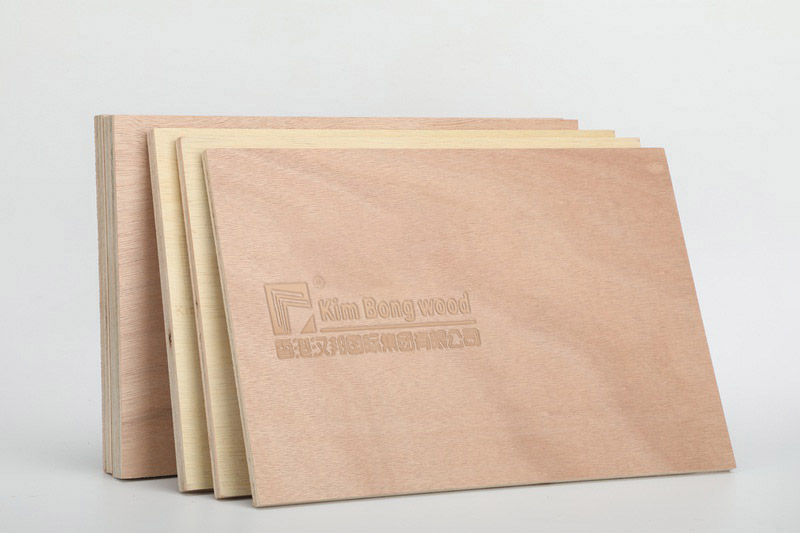
That is also why this topic connects naturally to our multi-layer solid wood panels. Multi-layer boards are not just ordinary sheets of wood. They are built through a controlled plywood manufacturing process that gives the panel its structure, stability, and practical value in furniture and interior applications. For importers, project contractors, wholesalers, and OEM buyers, understanding this process helps them choose the right board and the right supplier.
From Logs To Veneers
The plywood process starts with raw wood selection. Logs are chosen based on species, quality, moisture condition, and the intended use of the final board. This first step is often underestimated, but it has a direct influence on the panel’s performance later. If the raw material is inconsistent, the finished board may show visible defects, unstable density, or uneven bonding.
After selection, the wood is prepared for veneer production. The logs are softened and then processed into thin sheets. These veneers become the basic building blocks of plywood. In manufacturing, veneer quality is never a minor detail. The thickness, grain direction, and surface condition of each sheet affect the final board’s strength and appearance. Buyers who only compare panel price often miss this point. In bulk orders, stable veneer quality is one of the reasons some boards remain easy to machine while others create waste in cutting and finishing.
How The Layers Are Built
Once the veneers are prepared, they are arranged into layers. This is where plywood differs from solid wood and from many lower-grade panel materials. The grain direction of each layer is usually placed perpendicular to the adjacent layer. That cross-layer structure is what gives plywood better dimensional stability and helps reduce deformation.
This manufacturing logic matters in real use. A board that keeps its shape is easier to process, easier to install, and safer for long-term furniture performance. For cabinet makers, wardrobe factories, interior panel suppliers, and commercial fit-out buyers, this is not just a technical point. It directly affects product quality and customer satisfaction.
Our Multi-Layer Solid Wood Panels follow this same structural principle. They are built from multiple wood veneer layers bonded into a stable panel, which is why they are widely suitable for cabinetry, shelving, tabletops, furniture structures, and decorative interior use. For B-end buyers, that layered structure is one of the key reasons Multi-layer Furniture Boards remain a preferred option.
The Role Of Adhesive In Plywood Manufacturing
After the veneers are sorted and layered, adhesive is applied. This stage has a major effect on bonding strength, durability, and suitability for different environments. Good adhesive application is not only about making the layers stick together. It is about keeping the board stable during cutting, drilling, edge processing, and long-term use.
This is one of the most common pain points for overseas buyers. A panel may look acceptable on arrival, but if the bonding is poor, problems start showing during production. The surface may separate, the edges may weaken, and the board may not stay reliable under daily stress. For OEM furniture factories and volume buyers, weak bonding means higher rejection rates and more complaints downstream.
That is why buyers sourcing plywood for repeat orders usually care about more than just thickness. They want to know whether the board is made through a controlled process and whether the supplier can deliver the same bonding quality batch after batch. A dependable Wood Panel Supplier understands that manufacturing consistency is often more important than a low quotation on paper.
Pressing And Forming The Panel
Once the adhesive-coated veneers are stacked in the right order, the layered assembly goes into pressing. Heat and pressure turn the loose veneer stack into a solid panel. This is the stage where plywood begins to take its real form. Pressing conditions affect flatness, density, structural integrity, and final performance.
For buyers, this matters because pressing quality can influence almost everything that comes later. If pressure is uneven or process control is poor, the board may look flat at first but behave badly in machining or installation. It may bend, release stress, or show performance differences across the same sheet. In furniture manufacturing, that kind of inconsistency becomes expensive very quickly.
This is one reason why many importers and project buyers prefer to cooperate directly with a supplier that can support long-term production planning. When the manufacturing process is stable, the board becomes easier to specify, easier to sample, and easier to reorder. That is especially important for OEM and ODM programs, where consistent panel behavior is necessary for brand reputation and repeat business.
Sanding, Trimming, And Final Finishing
After pressing, the plywood is trimmed, sanded, and prepared for final use. This stage affects board thickness accuracy, surface smoothness, and readiness for lamination, veneering, painting, or direct furniture manufacturing. Many buyers focus on the board’s face appearance, but surface quality is not only about looks. A smoother and more even panel is also easier to process in production.
This is where sourcing quality becomes very practical. If the panel thickness varies too much or the face is unstable, downstream work becomes slower and less predictable. Edge banding may not fit neatly. Surface finishing may need extra correction. Cutting results may become less clean. All of this adds hidden cost.
Our multi-layer solid wood panels are intended for practical furniture and interior use, which is why this stage of manufacturing matters so much. Buyers in furniture production do not only want a board that looks acceptable in a sample photo. They want one that stays workable through machining, assembly, packing, and final installation.
Why Manufacturing Process Matters To B-End Buyers
For B-end customers, asking how plywood is manufactured is rarely a basic educational question. More often, it is part of supplier evaluation. They want to know whether the board can support cabinetry projects, whether the panel holds hardware well, whether it remains stable in storage, and whether future orders will match the first shipment.
That is why process understanding matters in real procurement. Importers want fewer claim issues. Wholesalers want a board that is easy to explain and easy to sell. Furniture factories want repeatable machining results. Project buyers want materials that reduce installation risk. In all these situations, plywood manufacturing is not just factory background. It is the foundation of product performance.
This is also where OEM and ODM cooperation becomes important. Some buyers need custom sizes. Some need packaging adjustment for wholesale or export handling. Some want a private label program with specification consistency across repeated orders. A supplier who understands the manufacturing process can support these requests more effectively than one who only offers generic stock panels.
How Our Product Fits Real Market Needs
Our multi-layer solid wood panels are a practical example of how plywood manufacturing translates into market value. The board structure is designed to balance stability, surface quality, durability, and furniture suitability. That makes it useful in cabinetry, shelving, tabletop production, structural furniture parts, and interior wall applications.
For buyers, the value is not only in the panel itself. It is also in the supply model behind it. A supplier who can support OEM and ODM cooperation, customized branding, and thickness selection is far more useful than a seller who only ships standard sheets. In international sourcing, buyers need communication, flexibility, and repeatability just as much as they need the board itself.
This is especially true for customers building a long-term product line. They may begin with one panel inquiry, but later need matching specifications, stable production, export packaging, or application advice. A serious supplier should be able to support that growth rather than only respond with a basic price list.
Common Problems Buyers Face When Sourcing Plywood
A common problem is inconsistent quality between sample and bulk order. Another is weak communication about thickness tolerance, panel structure, or suitable application. Some buyers also run into boards that seem cost-effective at first but create more processing loss later because the surface, bonding, or stability is not good enough.
These problems are often linked back to manufacturing control. If the plywood process is not handled carefully from veneer selection to final sanding, the board may not perform as expected in real production. That is why buyers should not treat plywood as a simple commodity. Even when products look similar in photos, the actual usability can be very different.
Working with an experienced Wood Panel Supplier helps reduce this uncertainty. The goal is not only to buy panels. It is to source a board that fits the buyer’s application, budget, processing method, and long-term purchasing plan.
Conclusion
So, how is plywood manufactured? It starts with wood selection, moves through veneer preparation, cross-layer assembly, adhesive bonding, hot pressing, and final finishing, and ends as a panel designed for strength, stability, and practical use. Every step matters because every step affects how the board performs in furniture production, interior work, packaging, and project supply.
For buyers, understanding the manufacturing process makes it easier to choose the right panel and avoid costly sourcing mistakes. If you are comparing multi-layer furniture boards, planning an OEM or ODM program, or looking for a reliable supplier for repeat orders, feel free to contact us with your size, application, or market requirements. We can help you match the right multi-layer panel to your project and provide practical guidance from sampling to bulk supply.
Previous: