

What Are PET Boards?
In modern interior decoration and furniture manufacturing, sustainability and performance have become equally important. One material that perfectly balances both is the PET Board. Known for its strength, durability, and eco-friendly characteristics, PET boards have gained popularity across industries ranging from cabinetry to wall cladding. But what exactly are PET boards, how are they made, and why are they increasingly favored by designers and builders? In this article, we’ll explore in detail the definition, production process, advantages, and applications of PET boards. We will also highlight how KIM BONG WOOD’s PET board products are designed to meet modern aesthetic and environmental standards with exceptional quality.
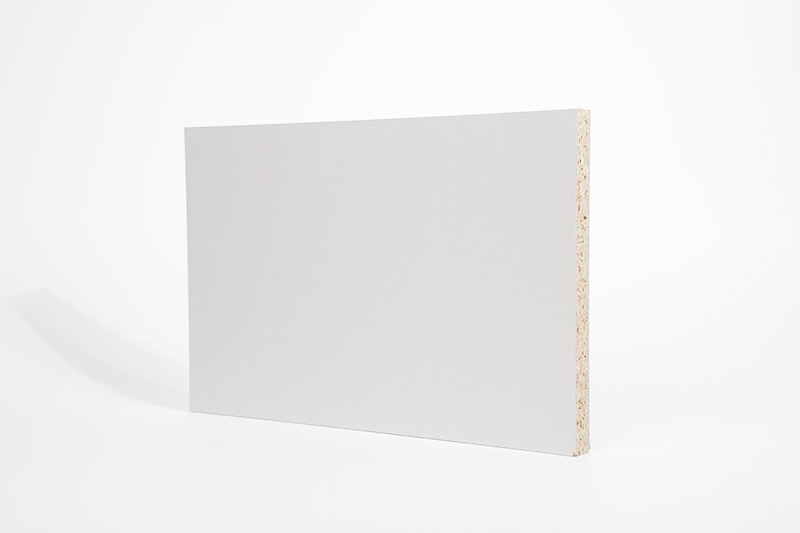
1. Definition and Material Composition of PET Boards
PET board stands for Polyethylene Terephthalate board, a type of thermoplastic polymer that belongs to the polyester family. It is derived from the same material used to produce beverage bottles, packaging films, and textile fibers—but in sheet form, it becomes a strong, rigid, and versatile panel suitable for construction and interior applications.
PET boards are made by extruding or pressing recycled and virgin PET resin into dense sheets that can be used directly or laminated onto substrates such as MDF, particleboard, or plywood. Their unique molecular structure gives them excellent stability, hardness, and chemical resistance while maintaining a smooth, uniform surface.
Key physical characteristics of PET boards include:
High tensile strength — They resist bending, warping, and impact.
Excellent chemical stability — Resistant to moisture, solvents, and mild acids.
Thermoformable — Can be molded under heat without losing shape integrity.
Recyclable and non-toxic — Fully recyclable material that aligns with eco-friendly manufacturing goals.
At KIM BONG WOOD, PET boards are engineered using advanced extrusion technology and precision surface finishing. The result is a product that offers both structural performance and aesthetic refinement, ideal for high-end furniture and modern architectural spaces.
2. How PET Boards Are Manufactured
The production of PET boards combines polymer science with modern surface treatment technology. The process involves transforming solid PET resin pellets into durable sheets with consistent color, texture, and gloss.
1. Raw Material Preparation
PET granules—either virgin or recycled—are dried to remove any moisture content, as water can affect the polymer’s molecular bonds during melting. High-grade additives are sometimes mixed to improve UV resistance, color stability, and surface hardness.
2. Extrusion and Sheet Formation
The dried pellets are melted in an extrusion machine, where they are evenly mixed and pressed through a flat die to form continuous sheets. The thickness is controlled precisely to achieve uniform density and surface smoothness.
3. Cooling and Cutting
The hot sheets are rapidly cooled on temperature-controlled rollers to stabilize their structure. Once cooled, they are trimmed and cut into panels of standardized dimensions, typically between 1 mm and 6 mm thick, depending on the intended application.
4. Surface Finishing and Coating
The PET surface can be left matte, high-gloss, or treated with anti-fingerprint and scratch-resistant coatings. Some boards are laminated onto MDF or plywood substrates, combining PET’s visual appeal with the structural rigidity of wood.
| Step | Process Description | Purpose |
|---|---|---|
| 1 | Drying PET resin | Removes moisture for stable extrusion |
| 2 | Extrusion | Forms molten PET into sheets |
| 3 | Cooling & Cutting | Stabilizes shape and dimensions |
| 4 | Coating or Lamination | Enhances appearance and durability |
KIM BONG WOOD utilizes state-of-the-art lamination technology to bond PET film seamlessly to base panels. This ensures strong adhesion, perfect surface uniformity, and long-term resistance to heat, humidity, and everyday wear.
3. Advantages and Performance Characteristics
PET boards have rapidly become one of the most sought-after materials for interior design due to their combination of aesthetics, practicality, and environmental sustainability. Compared to traditional surface materials like acrylic, PVC, or lacquered MDF, PET boards offer several clear advantages.
1. Eco-Friendly and Recyclable
One of the defining features of PET boards is their sustainability. Made from recyclable materials, they contribute to reducing plastic waste and can be reprocessed multiple times without degrading performance. KIM BONG WOOD’s PET boards are manufactured using eco-safe adhesives and coatings, ensuring low VOC emissions and compliance with global environmental standards.
2. Outstanding Surface Durability
PET’s molecular composition provides excellent scratch and impact resistance, making it suitable for high-traffic areas. Unlike painted or lacquered surfaces, PET retains its appearance for years without yellowing or peeling.
3. Superior Heat and Moisture Resistance
The boards can withstand temperature fluctuations and humidity, making them ideal for kitchens, bathrooms, and coastal environments. The non-porous surface prevents moisture absorption, reducing the risk of swelling or delamination.
4. High Aesthetic Appeal
PET boards are available in a variety of colors, finishes, and textures—from mirror-like gloss to soft matte. Their smooth surface reflects light beautifully, giving furniture and walls a premium, contemporary look. The surface can mimic the appearance of glass, lacquer, or even metal, offering versatile design possibilities.
5. Easy Maintenance
Because PET is chemically inert and non-porous, it resists stains and fingerprints. Cleaning requires only a soft cloth and mild detergent, making it ideal for residential and commercial interiors.
| Property | PET Board | Traditional Lacquer | Acrylic Panel |
|---|---|---|---|
| Scratch Resistance | High | Moderate | High |
| Gloss Retention | Excellent | Good | Excellent |
| Moisture Resistance | Excellent | Poor | Good |
| Recyclability | 100% | Low | Moderate |
| Maintenance | Easy | Difficult | Easy |
By offering a balance of technical and visual advantages, KIM BONG WOOD’s PET boards provide designers and builders with a material that combines modern style with long-term reliability.
4. Common Applications of PET Boards
Because of their durability, versatility, and refined surface finish, PET boards have found extensive use in both residential and commercial environments. They serve as an excellent alternative to acrylic panels or lacquered wood in applications requiring high performance and aesthetic consistency.
1. Kitchen Cabinets and Wardrobes
PET boards are widely used in modular kitchens and wardrobes due to their moisture resistance and easy cleaning. The high-gloss finish gives a sleek, reflective appearance that enhances light in compact spaces, while the matte options create a soft, modern tone.
2. Interior Wall Panels and Decorative Surfaces
Architects favor PET boards for wall cladding and interior paneling projects. The seamless finish and uniform color make them ideal for creating minimalistic and contemporary environments.
3. Furniture Manufacturing
PET-laminated MDF or particleboard is frequently used for making tables, shelving units, and storage cabinets. It provides a durable surface that resists everyday wear while maintaining a high-end look.
4. Office and Commercial Interiors
PET’s scratch resistance and elegant finish make it perfect for office reception areas, meeting room walls, and retail display fixtures. Its consistent texture ensures visual continuity in large installations.
5. Bathroom and Wet Area Applications
Because PET is hydrophobic and non-corrosive, it performs exceptionally well in humid environments. It can be used for bathroom vanities, wall coverings, or even ceiling panels, maintaining its original appearance for years.
KIM BONG WOOD supplies PET boards in multiple styles—high gloss, super matte, metallic tone, and embossed texture—offering design flexibility for every project type. The boards’ dimensional stability and color consistency make them an ideal choice for architects and manufacturers looking for long-term performance and easy installation.
5. PET Boards and Sustainability in Modern Design
Beyond their technical attributes, PET boards represent a shift toward sustainable material innovation in the furniture and construction industries. As global awareness of environmental responsibility grows, materials that combine recyclability with design versatility are becoming increasingly valuable.
1. Recycling and Resource Efficiency
PET is one of the few polymers that can be recycled repeatedly without significant loss of quality. Using recycled PET to manufacture boards reduces the dependency on virgin plastic and minimizes environmental footprint. KIM BONG WOOD actively sources environmentally responsible raw materials, reinforcing its commitment to a circular economy.
2. Energy Efficiency in Production
The extrusion and lamination processes used in PET board manufacturing consume less energy compared to high-temperature curing methods required for lacquered finishes. This contributes to a lower carbon footprint across the product’s life cycle.
3. Health and Safety Benefits
Unlike solvent-based paints or coatings, PET does not release harmful volatile organic compounds (VOCs). It is safe for indoor air quality and ideal for residential and commercial applications requiring stringent environmental compliance.
4. Long-Term Sustainability
Durability is a key sustainability factor—materials that last longer reduce replacement frequency and waste. PET boards’ ability to retain appearance and performance for years contributes to responsible material consumption.
By choosing KIM BONG WOOD’s PET boards, designers and consumers invest in a material that supports not just modern design aesthetics, but also a cleaner, greener future. Each product is developed under strict quality control to ensure maximum performance with minimal environmental impact.
Conclusion
PET boards are a modern, high-performance material made from Polyethylene Terephthalate, offering a blend of elegance, strength, and sustainability. From manufacturing to application, they stand out for their superior heat resistance, moisture protection, and recyclability. Their versatility makes them suitable for kitchens, furniture, interior walls, and commercial spaces—all while maintaining an eco-conscious profile.
KIM BONG WOOD’s PET board collection exemplifies this innovation. Each board is meticulously crafted with advanced extrusion and lamination techniques, ensuring flawless surfaces, rich colors, and lasting durability. Whether used for furniture, cabinetry, or decorative interiors, these PET boards represent the perfect fusion of modern design, environmental responsibility, and long-term value.
In the evolving world of sustainable materials, PET boards are not just a trend—they are the future of intelligent, eco-friendly design.
Previous: What Is A Fireproof Board?