

How Does Fire Retardant Plywood Work?
In modern construction and interior design, fire safety is one of the most critical performance factors for materials. While plywood is widely used for its strength, flexibility, and affordability, standard wood panels are naturally flammable. This limitation led to the development of fire retardant plywood, a specialized material engineered to slow down combustion and reduce flame spread. But how exactly does fire retardant plywood work, and what makes it different from conventional wood panels? In this article, we’ll explore the science behind fire retardant plywood, its manufacturing process, features, and key applications. We’ll also highlight how KIM BONG WOOD’s formaldehyde-free fire-resistant boards offer superior safety performance while meeting environmental standards for healthy, sustainable interiors.
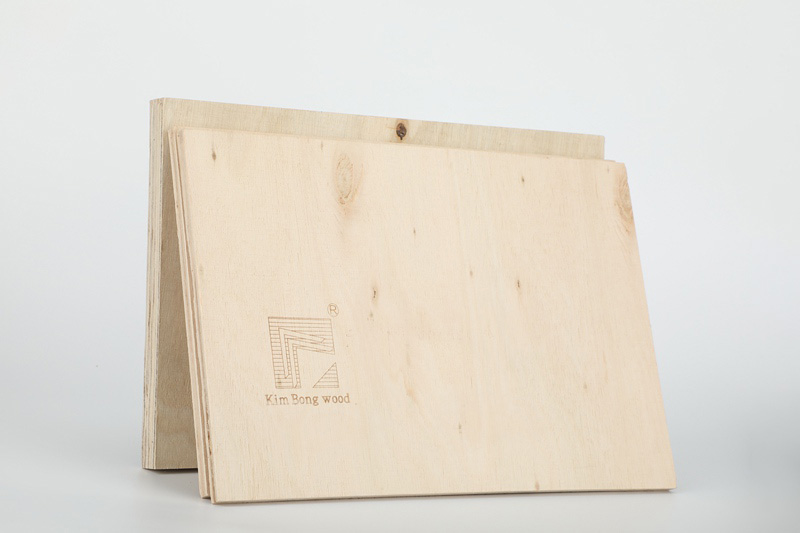
1. What Is Fire Retardant Plywood?
Fire retardant plywood (FR plywood) is a type of engineered wood panel designed to resist ignition and minimize the spread of fire. Unlike ordinary plywood, which can catch fire easily, fire retardant plywood is treated with special chemicals or coated with fire-inhibiting materials that alter the wood’s combustion behavior.
At its core, plywood consists of multiple thin layers of wood veneer bonded together with adhesive. The fire retardant modification process doesn’t change this layered structure—it enhances it. During production, fire retardant chemicals are infused into the veneers or the adhesive system, making the entire board more resistant to heat and flame.
Key Fire Behavior Differences
| Property | Standard Plywood | Fire Retardant Plywood |
|---|---|---|
| Ignition Time | Fast (1–3 minutes) | Delayed (5–10 minutes or more) |
| Flame Spread | Rapid | Significantly reduced |
| Smoke Generation | High | Minimal |
| Structural Integrity in Fire | Weakens quickly | Retains strength longer |
Fire retardant plywood doesn’t make wood entirely fireproof—it’s still an organic material—but it delays combustion long enough to prevent fire escalation. This crucial delay gives occupants valuable evacuation time and helps minimize structural damage.
KIM BONG WOOD manufactures formaldehyde-free, low-emission fire-resistant boards, ensuring both fire safety and indoor air quality. By combining environmentally safe adhesives with fire retardant treatments, their products achieve both A-grade fire ratings and sustainable performance standards.
2. How Fire Retardant Plywood Is Made
The production of fire retardant plywood involves chemical treatment, controlled drying, and lamination. Every step is carefully designed to ensure that the fire retardant chemicals penetrate deeply and remain stable over the product’s lifetime.
1. Selection of Raw Material
High-quality hardwood or softwood veneers are chosen for their density and uniform texture. The veneers are screened for moisture content and defects, ensuring consistent quality before treatment.
2. Fire Retardant Chemical Treatment
There are two main approaches:
Pressure Impregnation:
The veneers are placed inside a pressure vessel where they are infused with a fire retardant solution. This ensures deep penetration of the chemicals into the wood fibers.Surface Coating or Dipping:
The veneers are submerged or coated in fire retardant liquid. Though shallower than pressure impregnation, this method provides cost-effective surface protection.
The fire retardant chemicals typically include phosphate, borate, or ammonium compounds, which are non-toxic and eco-friendly. These compounds act by creating a protective char layer and releasing water vapor when exposed to heat.
3. Drying and Lamination
After treatment, the veneers are carefully dried to remove excess moisture. They are then bonded using formaldehyde-free adhesive resin, ensuring that the final product meets environmental safety standards. Under heat and pressure, the veneers fuse into solid sheets with uniform thickness and strength.
4. Finishing and Grading
The finished plywood is sanded, inspected, and tested for mechanical and fire performance. Boards that meet fire safety certifications (such as Class A or B fire rating) are then categorized and ready for use.
| Manufacturing Step | Description | Purpose |
|---|---|---|
| Impregnation | Infusing veneers with fire retardant solution | Ensures deep protection |
| Drying | Removes excess liquid | Stabilizes moisture balance |
| Lamination | Gluing veneers under pressure | Builds strength |
| Testing | Verifies fire and quality standards | Ensures safety certification |
KIM BONG WOOD uses advanced hot-pressing and impregnation technology to achieve uniform fire resistance throughout each panel. The process also eliminates harmful formaldehyde, making the boards ideal for eco-friendly construction and furniture applications.
3. The Science Behind Fire Retardancy
Fire retardant plywood works through a series of chemical and physical reactions that occur when the material is exposed to heat or flame. These reactions either delay ignition or prevent the fire from spreading rapidly.
1. Formation of a Char Layer
When exposed to heat, the fire retardant compounds decompose and release non-flammable gases such as water vapor and carbon dioxide. These gases dilute oxygen concentration near the wood’s surface. Simultaneously, a carbonized char layer forms, acting as an insulating barrier that slows down further combustion.
2. Reduction of Heat Transfer
The char layer prevents heat from penetrating into the inner layers of the plywood, reducing pyrolysis (the breakdown of wood into flammable gases). This means less heat reaches the unburned areas, effectively slowing the spread of flames.
3. Suppression of Flammable Gas Formation
Untreated wood produces combustible gases like methane and ethylene during burning. Fire retardants alter the chemical structure of cellulose, reducing the amount of flammable gas released and minimizing the intensity of the fire.
4. Smoke and Toxic Fume Reduction
By promoting complete combustion and lowering heat release, fire retardant plywood also generates significantly less smoke and toxic gases—two major hazards in fires.
5. Thermal Stability
The treated wood maintains mechanical integrity longer under fire exposure, meaning walls, ceilings, or furniture components are less likely to collapse during emergencies.
KIM BONG WOOD’s fire retardant boards leverage these scientific principles through inorganic fire-retardant technology, providing consistent protection across the entire board thickness. The result is safer material performance without compromising strength, aesthetics, or environmental safety.
4. Advantages and Performance Characteristics
Fire retardant plywood delivers a unique combination of safety, durability, and environmental protection, making it a preferred choice in high-risk or public areas where fire codes are strict.
1. Enhanced Fire Safety
The key advantage is delayed ignition and reduced flame spread, offering additional time for fire control and evacuation. Certified boards can achieve Class A fire ratings, signifying excellent performance under standard testing conditions.
2. Structural Strength and Versatility
Despite chemical treatment, fire retardant plywood retains the mechanical strength of regular plywood. It can be easily cut, drilled, and shaped for a variety of applications such as partitions, ceilings, or furniture panels.
3. Resistance to Fungal and Insect Attack
The chemical treatment process also improves resistance to termites and fungi, extending the lifespan of the board.
4. Environmentally Safe
Traditional plywood adhesives can release formaldehyde over time. KIM BONG WOOD addresses this by using non-toxic, formaldehyde-free adhesives, ensuring indoor air remains clean and healthy.
5. Cost-Effective Fire Protection
Compared to other fireproof materials like cement boards or steel cladding, fire retardant plywood offers a lighter and more affordable solution while still meeting fire safety requirements.
| Property | Fire Retardant Plywood | Regular Plywood | Gypsum Board |
|---|---|---|---|
| Fire Resistance | Excellent | Poor | Good |
| Structural Strength | High | High | Moderate |
| Moisture Resistance | Moderate | Moderate | Low |
| Weight | Light | Light | Heavy |
| Eco-Friendliness | Formaldehyde-Free | May Contain VOCs | Safe |
| Ease of Installation | Easy | Easy | Moderate |
With KIM BONG WOOD’s innovation, customers gain access to boards that not only protect against fire but also uphold long-term durability and environmental performance, making them suitable for both residential and commercial projects.
5. Applications and Importance in Modern Design
Fire retardant plywood is indispensable in spaces that demand a balance of aesthetic appeal and strict safety compliance. Its versatility allows it to blend seamlessly into various architectural and interior environments.
1. Commercial Buildings
Shopping malls, hotels, hospitals, and educational facilities often require fire-rated materials to comply with safety codes. Fire retardant plywood is used for wall panels, partitions, and ceilings in these settings.
2. Residential Interiors
In homes, it’s ideal for kitchens, staircases, and furniture near heat sources. Its low-emission formulation makes it safe for bedrooms and living spaces, promoting a healthy indoor environment.
3. Transportation and Public Infrastructure
Due to its lightweight and strength, fire retardant plywood is also used in railway interiors, marine cabins, and public transport terminals, where both fire resistance and weight reduction are critical.
4. Industrial and Utility Structures
Factories, power stations, and data centers utilize fire retardant boards for enclosures, duct covers, and safety barriers to protect critical areas from flame exposure.
5. Decorative Architectural Panels
With surface lamination or UV coating, treated plywood can also serve as decorative wall panels that provide both beauty and safety—especially when paired with KIM BONG WOOD’s formaldehyde-free surface films and textures.
Ultimately, fire retardant plywood plays a crucial role in passive fire protection, meaning it helps contain and slow the spread of fire rather than actively extinguishing it. This is a vital element in comprehensive fire safety design strategies for modern buildings.
Conclusion
Fire retardant plywood works through a combination of chemical modification and thermal reaction, creating an effective barrier that resists ignition, reduces flame spread, and minimizes smoke production. While it cannot completely prevent fire, it significantly delays its progress, giving people more time to react and reducing property loss.
KIM BONG WOOD’s formaldehyde-free fire-resistant boards exemplify how fire safety and environmental responsibility can coexist. Manufactured using eco-friendly adhesives and advanced fire-retardant technology, these boards provide durable, safe, and sustainable solutions for furniture, interiors, and architectural applications.
In an era where safety, sustainability, and design are equally valued, fire retardant plywood represents a perfect balance—protecting lives, preserving structures, and contributing to healthier indoor spaces through modern innovation.
Previous: How To Cut Melamine Faced Plywood