

How To Choose Plywood for Furniture
Choosing the right plywood for furniture is essential for achieving long-lasting durability, beautiful appearance, and stable structural performance. plywood is widely used in cabinets, wardrobes, shelves, tables, and custom interior furniture because of its layered construction, strong load-bearing ability, and compatibility with different surface finishes. However, not all plywood performs equally. Variations in core material, veneer quality, bonding strength, thickness accuracy, and environmental grade have a direct impact on the final furniture.
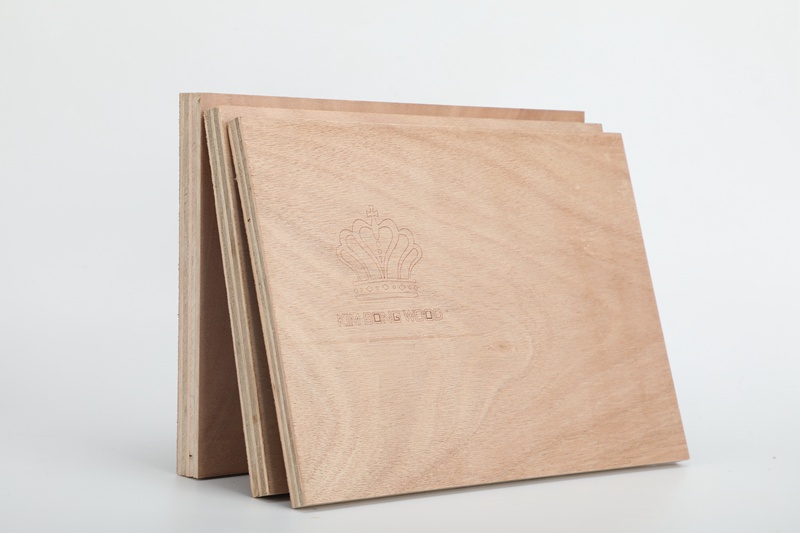
For furniture makers seeking high-performance boards with superior strength and eco-friendly properties, the KIM BONG WOOD multi-layer furniture board delivers enhanced stability, imported wood cores, and E0-grade emissions. Below is a comprehensive guide on how to choose plywood for furniture based on structure, quality, appearance, environmental performance, and application needs.
1. Understanding the Structure and Types of Plywood for Furniture
Plywood is made by cross-laminating thin wood veneers under heat and pressure. This cross-grain arrangement reduces expansion, minimizes warping, and enhances strength. To choose the right plywood, it is important to understand its core structure and the differences between furniture-grade plywood types.
The basic structure includes:
Face veneer and back veneer – Provides smooth surfaces for finishing or lamination. Quality depends on grain clarity, thickness, and uniformity.
Core veneers – The main structural layer determining strength, screw-holding capacity, and stability.
Adhesive bonding – High-quality glue ensures long-term performance and prevents delamination.
Pressing technology – Cold press and hot press steps determine density and board uniformity.
Furniture makers typically evaluate plywood based on core type:
| Plywood Type | Description | Performance |
|---|---|---|
| Poplar Core | Lightweight, economical | Moderate strength |
| Eucalyptus/Hardwood Core | Dense, strong | Excellent mechanical performance |
| Multi-Layer Solid Core | Uniform layers with minimal gaps | High strength and stability |
| Finger-Jointed Core | Joined wood blocks | Stable but quality varies by manufacturer |
Premium multi-layer plywood—such as KIM BONG WOOD’s furniture board—uses full solid wood layers, imported core veneers, and dense cross-bonding to create a more compact structure with fewer voids and higher durability, especially under machining.
2. Evaluating Strength, Stability, and Thickness Accuracy
One of the most important considerations when choosing plywood for furniture is structural stability. The number of layers, the strength of adhesives, and the uniformity of the veneers directly affect how well the plywood performs during cutting, drilling, screw fastening, and long-term use.
Key factors influencing stability include:
Number of Layers
More layers generally mean better density and less deformation. High-quality boards often have 9–13 layers depending on thickness.Core Density and Void Content
Gaps inside the board weaken screw holding and cause uneven surfaces. Furniture-grade plywood should have minimal voids.Flatness and Thickness Precision
Uneven thickness results in poor alignment when assembling furniture. Precision-controlled boards make installation smoother.Screw-Holding Strength
Harder and denser cores hold screws more securely, especially for cabinets and shelves that bear weight.Panel Stability During Machining
Good plywood should not splinter, tear, or bend during CNC routing or saw cutting.
The KIM BONG WOOD Multi-layer Furniture Board undergoes strict core selection, sanding, and moisture control processes, ensuring flat surfaces, consistent thickness, and excellent screw-holding performance. This makes it ideal for heavy-duty furniture or custom carpentry requiring precision.
3. Considering Surface Quality, Visual Appearance, and Finish Compatibility
Surface quality is critical for furniture because it directly affects the final look. Whether applying melamine, veneer, lacquer, PVC film, or leaving the surface natural, the plywood must be visually clean and structurally consistent.
Important factors for evaluating the surface include:
Smoothness of the Face Veneer
Rough or uneven veneers lead to finishing defects.Grain Pattern Consistency
For natural finishes, clean and uniform wood grain improves the aesthetic value.Surface Hardness
Harder surfaces resist scratches during processing and daily use.Compatibility with Surface Treatments
Good plywood bonds well with laminates, melamine papers, eco-boards, and edge banding.
A comparison of common surface options:
| Surface Finish | Best For | Benefits |
|---|---|---|
| Melamine | Cabinets, shelves, wardrobes | Hard, scratch-resistant, ready-to-use |
| Natural veneer | High-end furniture | Premium woodgrain effect |
| Lacquer | Decorative panels | Smooth, customizable |
| PVC / PET film | Modern interiors | Stable, moisture-resistant |
KIM BONG WOOD furniture boards feature smooth surfaces, precise sanding, and strong adhesion performance suitable for melamine, veneer, and PET lamination. This versatility allows designers and manufacturers to choose finishes that fit different interior styles.
4. Environmental Performance and Safety Standards for Indoor Furniture
Furniture panels significantly influence indoor air quality. Choosing plywood with low formaldehyde emissions ensures a healthier living environment for families, office spaces, and commercial interiors. Environmental standards vary by region, but the most common include E1, E0, and F★★★★ (Japan standard).
Factors affecting environmental performance include:
Type of Adhesive Used
Low-emission or formaldehyde-free adhesives improve air quality.Moisture Content Control
Panels with balanced moisture content are less likely to release volatile substances.Drying and Pressing Technology
Proper drying reduces internal stress and prevents long-term odor emission.Formaldehyde Emission Rating
E0 grade is generally the safest and most preferred for furniture.
Below is a general reference chart:
| Emission Grade | Description | Formaldehyde Level |
|---|---|---|
| F★★★★ | Japan’s highest grade | Very Low |
| E0 | Excellent indoor safety | ≤0.5 mg/L |
| E1 | Standard residential use | ≤1.5 mg/L |
The KIM BONG WOOD multi-layer furniture board reaches E0-grade environmental protection and uses sealed heating, dust removal, and patented purification technologies to reduce chemical emissions. This makes it suitable for bedrooms, children’s rooms, wardrobes, and full-house custom furniture.
5. Matching Plywood Selection to Furniture Applications
Different furniture types require different plywood characteristics. Choosing the wrong board can cause warping, weak joints, or premature failure. Matching application needs ensures long-term stability and aesthetic performance.
How to match plywood to furniture use:
Cabinets and kitchen furniture
Require moisture resistance, good screw holding, and strong structural performance. Multi-layer furniture boards are ideal.Wardrobes and bedroom furniture
Stability, smooth surfaces, and low emissions are essential; E0-grade plywood is recommended.Shelving and load-bearing structures
High-density cores and thick layers support heavy loads.Decorative wall panels
Smooth veneers and consistent thickness ensure a clean installation.Custom-built furniture
Requires boards that machine well and maintain sharp edges without chipping.
The multi-layer structure, imported wood core, and precision pressing of KIM BONG WOOD furniture boards make them suitable for all these applications, especially for high-quality interior projects requiring durability and environmental safety.
Conclusion
Choosing plywood for furniture involves evaluating the board’s structure, strength, surface quality, environmental performance, and suitability for specific applications. High-quality plywood provides greater stability, better machinability, and longer service life, all of which contribute to reliable, attractive furniture.
The KIM BONG WOOD multi-layer furniture board stands out for its imported core veneers, reinforced density, precise thickness control, and E0-grade environmental standards. These features make it an excellent choice for manufacturers, designers, and homeowners seeking dependable plywood solutions for modern cabinetry, interior décor, and full-house furniture customization.
Previous: What Thickness Plywood for Furniture?