

What Thickness Plywood for Furniture?
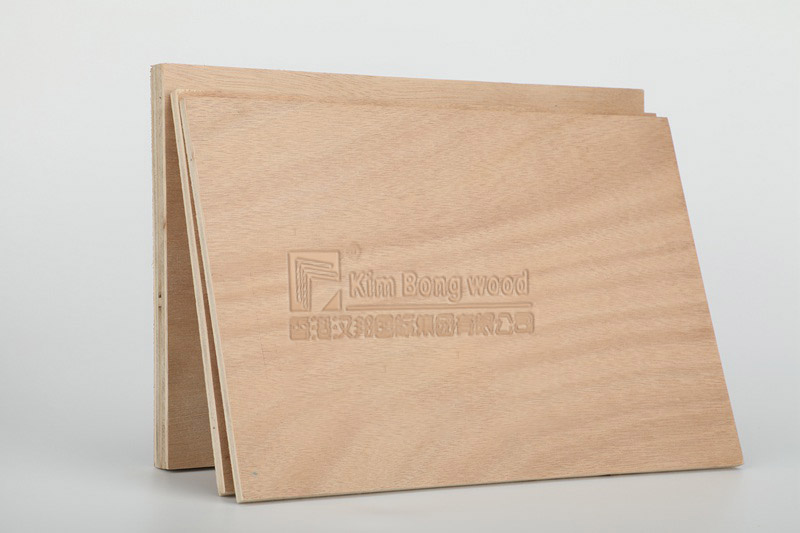
Choosing the right plywood thickness is one of the most important decisions in furniture design. The thickness of the board directly affects strength, stability, screw-holding power, and even the final look of a cabinet, wardrobe, table, or shelving system. Pick a board that is too thin and the panel may bow or fail; choose a board that is unnecessarily thick and you increase cost, weight, and difficulty in assembly. In this article, we will look at the most common plywood and furniture-board thicknesses, how they are typically used, and how to match thickness to different furniture functions. If you are planning to build or source furniture panels, KIM BONG WOOD’s multi-layer furniture board offers stable thickness, strong bonding, and a smooth surface suitable for both structural and decorative applications.
How Thickness Affects Furniture Performance
plywood and Multi-layer Furniture Boards are made by cross-laminating thin veneers. Thickness is not just a visual number; it reflects how many layers are inside and how strong the panel will be under load.
A thin board has low bending resistance, so it is easily deflected by weight or long spans. A thicker board contains more layers and adhesive surfaces, resulting in higher stiffness, better screw-holding, and higher impact resistance. For furniture, this translates into how well shelves resist sagging, how stable doors remain over time, and how solid a tabletop feels in daily use.
To illustrate the relationship between typical thickness and common uses, the following table gives a simple overview:
| Thickness (Approx.) | Typical Use in Furniture | Key Consideration |
|---|---|---|
| 3–4 mm | Back panels, drawer bottoms, decorative overlays | Low load, mainly for enclosure/finish |
| 6–9 mm | Lightweight partitions, small drawer boxes | Limited span, moderate rigidity |
| 12 mm | Cabinet backs, small shelves, seating bases | Balanced weight and strength |
| 15 mm | Cabinet sides, wardrobe partitions, doors | Good rigidity for medium-duty furniture |
| 18 mm | Main body panels, shelves, tabletops | Standard for strong, durable furniture |
| 21 mm+ | Heavy-duty tables, long shelves, work surfaces | High load capacity, premium feel |
Multi-layer furniture boards from KIM BONG WOOD are produced in these mainstream thicknesses with uniform core density, so designers and manufacturers can confidently match panel thickness to furniture function.
Common Thicknesses and Their Typical Furniture Applications
When choosing thickness, it helps to think in terms of the component you are designing: backs, shelves, sides, doors, tops, and internal partitions all have different requirements. Below is a more detailed look at each main thickness range and where it works best in furniture projects.
Thin Panels: 3–4 mm for Enclosure and Finishing
Very thin boards in the 3–4 mm range are not intended for structural use. Their main role is to close and stabilize furniture bodies.
A 3–4 mm panel is widely used as the back of cabinets, wardrobes, and storage units. When nailed or stapled onto the rear frame, it helps square the carcass and prevent racking, while keeping weight and cost low. The same thickness often appears as drawer bottoms in small drawers where loads are light and span is short. Because these panels do not need to bear heavy loads, priority is given to flatness and good surface quality for painting or laminating.
KIM BONG WOOD can supply thin multi-layer boards with a smooth, defect-controlled face, which is ideal when you want the inside of cabinets or the backs of furniture to look as clean and professional as the front.
Medium-Thin Panels: 6–9 mm for Light Partitions and Components
Boards in the 6–9 mm range are a step up in strength. They are often used for:
Light internal partitions inside cabinets where high loads are not expected
Drawer sides and bases in small to medium drawers
Decorative wall panels and furniture back panels where extra rigidity is desired
This thickness offers better screw-holding and impact resistance than 3–4 mm while still remaining easy to cut and handle. In children’s furniture, display units, and small storage pieces, medium-thin boards help control weight and cost without sacrificing stability.
Medium Panels: 12 mm for Balanced Strength and Weight
Around 12 mm thickness is a versatile choice when you want more structural capacity but still need the panel to be relatively light. Typical uses include:
Back panels on tall wardrobes or large cabinets where greater rigidity is required
Shelves with shorter spans and moderate load
Chair or bench bases with supporting frames beneath
A 12 mm multi-layer furniture board has enough stiffness for many medium-duty applications, especially when combined with good frame design. When manufactured with consistent core layers like those used by KIM BONG WOOD, 12 mm panels remain flat during processing and maintain good dimensional stability in finished furniture.
Standard Structural Panels: 15–18 mm for Most Furniture Bodies
The most widely used thickness for modern furniture is 15–18 mm. This range is considered standard for:
Side panels and vertical partitions of cabinets and wardrobes
Doors and fronts in kitchen and bedroom furniture
Shelves with typical residential loads and spans
Bed headboards and structural frames with additional support
15 mm panels can be a good choice for wardrobes and sliding doors where weight reduction is important but adequate stiffness is still required. 18 mm panels, on the other hand, are often the default option for quality cabinetry and shelving because they offer excellent screw-holding strength, reduced deflection, and a solid “premium” feel when doors are opened and closed.
KIM BONG WOOD’s multi-layer furniture board is specifically engineered for these kinds of applications. By using multiple cross-laminated layers and strict bonding control, the panels resist warping and provide strong anchoring for hinges, slides, and connectors, which is essential for long-lasting furniture performance.
Thick Panels: 21 mm and Above for Heavy-Duty Furniture
For heavy-duty tables, long wall shelves, reception counters, and worktops, boards of 21 mm or thicker are often preferred. These thicker panels carry several advantages:
High bending resistance across longer spans
Reduced vibration and movement under heavy loads
A substantial visual and tactile presence that suits premium furniture
In dining tables, conference tables, or workbenches, thicker multi-layer boards can provide the necessary rigidity without requiring complex under-framing. They may also be used for steps in loft beds, bench seating, and other areas where safety and stiffness are critical.
Frequently Asked Questions About Plywood Thickness for Furniture
Even experienced builders and buyers often struggle with certain details when it comes to thickness. Below are some common questions and clear answers to support better decisions.
Is thicker always better for furniture?
Thicker panels are stronger, but “better” depends on the purpose. Over-specifying thickness increases material cost and weight, which can make furniture harder to transport and assemble. The ideal approach is to choose the minimum thickness that still provides sufficient stiffness, screw-holding power, and safety for the expected loads. For most household cabinets and shelves, 15–18 mm multi-layer furniture board is more than adequate.
What thickness is best for furniture shelves?
For typical bookshelves or wardrobe shelves with a moderate span, 18 mm is considered a reliable standard. If shelves are very short or lightly loaded, 12–15 mm may be sufficient. For long spans or heavy loads, such as storage in offices or libraries, 21 mm or thicker boards, or reinforced under-structures, are recommended. Using KIM BONG WOOD multi-layer board ensures the core is strong enough to resist long-term sagging.
How thick should plywood be for cabinet sides?
Cabinet sides and vertical partitions are usually made from 15 or 18 mm panels. This thickness range provides a stable structure and strong fixing points for hardware such as hinges and drawer slides. It also gives the furniture an appropriate visual proportion; panels that are too thin may look weak or cheap even if they are technically strong enough.
Can different thicknesses be combined in one piece of furniture?
Yes. Robust furniture often uses a mix of thicknesses to optimize performance and cost. For example, a wardrobe could use 18 mm panels for sides and shelves, 12 mm for the back, and 3–4 mm for drawer bottoms. A well-designed combination makes the furniture feel solid where it matters while keeping overall material use efficient.
Does the core quality matter as much as thickness?
Absolutely. A nominal 18 mm panel with voids or inconsistent density may perform worse than a high-quality 15 mm multi-layer board with a solid, well-bonded core. Core quality affects screw-holding, bending strength, and long-term stability. KIM BONG WOOD focuses on uniform multi-layer construction, so their furniture boards provide reliable strength across the full panel, not just at the surface.
Summary
Choosing the right thickness of plywood or multi-layer furniture board is essential for building furniture that is both durable and efficient. Thin panels around 3–4 mm are ideal for backs and drawer bottoms, medium-thin boards of 6–9 mm suit light partitions, 12 mm panels provide balanced strength for moderate-duty use, and 15–18 mm has become the structural standard for most cabinet bodies, doors, and shelves. For heavy-duty tables and long spans, 21 mm and thicker boards deliver the stiffness and solidity required.
By understanding how different thicknesses behave under load and how they are typically used, furniture designers, manufacturers, and buyers can create products that feel solid, last longer, and use materials intelligently. KIM BONG WOOD’s multi-layer furniture board range is developed with these requirements in mind, offering a reliable core, stable thickness, and smooth surfaces that make it suitable for a wide range of furniture applications. With the right thickness and the right board quality, furniture becomes not just visually appealing, but structurally dependable for years of everyday use.
Previous: What Is Furniture Grade Plywood?