

What Is Furniture Grade Plywood?
Furniture grade plywood is one of the most widely used engineered wood materials in modern manufacturing. Whether for cabinets, wardrobes, tables, shelving, wall panels, or custom-built interiors, this type of plywood provides the balance of strength, stability, and appearance required for high-quality furniture. Compared with construction-grade panels, furniture grade plywood focuses more on surface quality, core uniformity, and bonding strength. This article explains what furniture grade plywood is, what makes it different from standard plywood, and why it has become the preferred choice for both mass-produced and custom furniture. For manufacturers seeking reliable materials, KIM BONG WOOD offers premium multi-layer furniture board engineered specifically to meet furniture-grade standards.
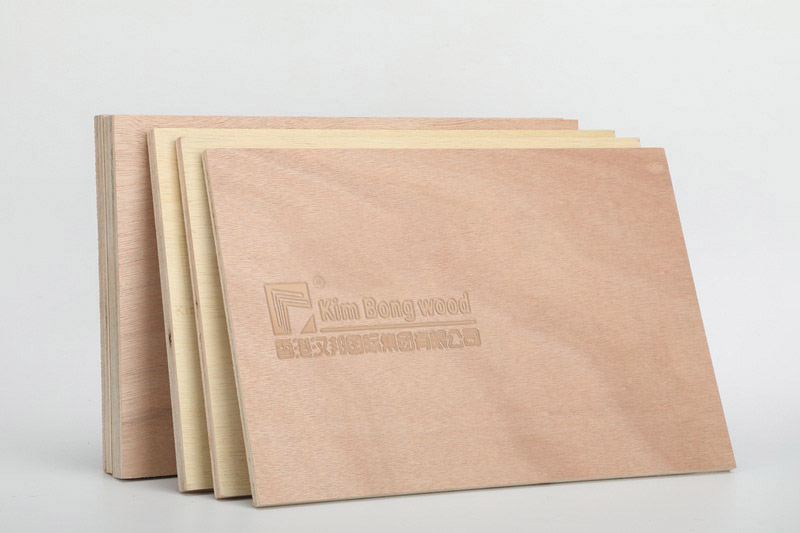
What Furniture Grade Plywood Is
Furniture grade plywood is a high-quality panel made by bonding multiple thin wood veneers in alternating grain directions to create a strong, stable sheet suitable for furniture production. What distinguishes it from ordinary plywood is the emphasis on surface smoothness, consistent thickness, dense core structure, and minimal internal defects. While construction plywood prioritizes strength for structural framing, furniture grade plywood is designed to be visibly clean and mechanically reliable for cutting, shaping, edge-banding, and finishing.
The surface veneers of furniture grade plywood are typically selected from higher-quality wood species, which provide a smooth appearance and uniform texture. The core is made from carefully arranged layers that minimize gaps and voids. This ensures that screws and fasteners bite securely, that edges remain solid when machined, and that the panel does not warp during production or after installation. In multi-layer boards from KIM BONG WOOD, each veneer is aligned and pressed under strict conditions to achieve a stable and flat panel suitable for premium furniture applications.
Furniture grade plywood may come pre-finished or unfinished, depending on the end use. It serves as a base material for laminate, veneer overlay, lacquer, or paint, offering the versatility needed in both modern and traditional furniture styles.
Key Characteristics of Furniture Grade Plywood
Furniture grade plywood stands apart because it provides visual appeal and structural reliability. These qualities come from how the veneers are selected, pressed, and finished.
Superior Surface Quality
The face veneer of furniture grade plywood is smooth and free from major knots, patches, or discoloration. This clean finish allows it to be used directly for visible surfaces or as a stable base for decorative overlays. Whether painted, veneered, or laminated, the top surface requires minimal preparation.
Uniform Core Structure
A critical feature of furniture grade plywood is the absence of large voids or gaps within the core. These voids can weaken screw-holding strength and cause vibration or instability in finished furniture. High-quality multi-layer boards from KIM BONG WOOD use tightly packed core veneers to ensure optimal strength and stability.
Stable Thickness and Flatness
Furniture requires precise dimensions. Furniture grade plywood maintains accurate thickness tolerance and flatness, making it easy for manufacturers to process using CNC machines or conventional tools. This dimensional stability reduces issues such as misalignment, uneven edges, or warping after installation.
Cross-Laminated Strength
Because each veneer layer is oriented perpendicular to the one above and below it, furniture grade plywood offers excellent resistance to bending and twisting. This structural advantage allows the panel to carry loads without deforming, making it suitable for shelves, tabletops, and cabinet bodies.
Smooth Edges for Machining
The tight core layers enable clean, smooth cuts along the edges. This is especially important for designs requiring visible cut edges or fine joinery. Multi-layer boards from KIM BONG WOOD are engineered for seamless edge finishing and strong anchoring for hardware components.
Compatibility with Multiple Finishes
Furniture grade plywood is designed to bond well with decorative surfaces such as veneer, HPL, melamine, PVC film, or lacquer. The top veneer layer absorbs adhesives evenly, ensuring long-lasting finish performance.
Applications of Furniture Grade Plywood
Furniture grade plywood is used in many home and commercial settings because it offers a balance of strength, weight, and aesthetics. Its applications cover structural components, visible surfaces, and interior elements of furniture.
Cabinetry and Built-In Storage
Furniture grade plywood is the preferred material for kitchen cabinets, wardrobes, and built-in storage units. Its dimensional stability ensures cabinet doors align properly and shelves resist sagging under regular use. The surface can be laminated or veneered to match any interior style.
Shelves and Bookcases
Thanks to its bending resistance, this plywood works well for shelves that need to support weight without deforming. Even long spans can be reinforced or doubled to create heavy-duty storage solutions.
Tables and Desktops
Furniture grade plywood offers a stable and consistent surface for dining tables, desks, or workbenches. When paired with veneer or protective coating, it becomes visually appealing and resistant to daily wear.
Drawer Units and Internal Components
Because the material holds screws securely, it is ideal for drawer frames, slide supports, and internal partitions. These components require precise machining and long-term reliability.
Decorative Panels and Wall Features
In modern interior design, furniture grade plywood is used to create decorative wall panels or feature elements. The smooth surface accepts various finishes, allowing designers to match the material to a wide range of themes.
Commercial and Office Furniture
Office desks, shelving units, and storage cabinets rely on furniture grade plywood for stability and durability. The material’s consistent quality supports repetitive manufacturing in commercial furniture production.
Key Differences Between Furniture Grade and Standard Plywood
To understand why furniture grade plywood is preferred in manufacturing, it helps to compare it with standard or construction-grade alternatives.
| Feature | Furniture Grade Plywood | Standard/Construction Plywood |
|---|---|---|
| Surface | Smooth, clean, fewer repairs | More knots, patches, rough texture |
| Core Quality | Minimal gaps, denser veneer placement | More voids inside, lower uniformity |
| Thickness Tolerance | High precision for furniture | More variation acceptable |
| Stability | Superior resistance to warping | Prone to bending under humidity changes |
| Finishing | Accepts paint, veneer, laminate easily | Requires more preparation |
| Hardware Compatibility | Strong screw-holding and clean edges | Inconsistent fastening performance |
High-quality multi-layer boards from KIM BONG WOOD address all these performance needs by offering consistently pressed layers, strong adhesives, and stable structure.
Summary
Furniture grade plywood is a high-quality engineered wood panel designed for furniture production where appearance, precision, and durability matter. It offers a smooth surface, stable core, accurate thickness, and strong resistance to bending and warping. These characteristics make it ideal for cabinets, tables, shelves, drawer components, wall panels, and commercial furniture applications.
By choosing reliable materials, manufacturers ensure furniture remains stable, attractive, and long-lasting. KIM BONG WOOD’s Multi-layer Furniture Board provides the uniform construction and clean finish expected of professional-grade plywood, making it suitable for a wide range of furniture projects. With the right material selection, furniture becomes not only functional and durable but also aligned with modern aesthetic and performance expectations.