

How To Use Plywood for Furniture
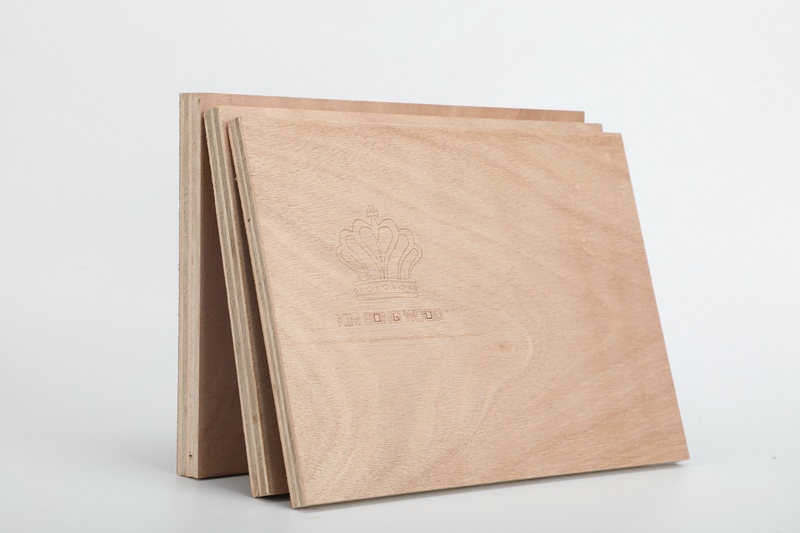
plywood has become one of the most dependable materials in modern furniture manufacturing because of its strength, stability, and design flexibility. Compared with solid wood, plywood is lighter, more resistant to warping, and easier to process into structural or decorative components. This makes it a preferred choice for cabinetry, shelving, tables, seating frames, and interior partitions. In this article, we explain how to use plywood effectively for furniture building, highlight where it performs best, and answer common questions that manufacturers and DIY builders often encounter. For projects requiring stable, high-quality panels, KIM BONG WOOD provides premium multi-layer furniture board designed for long-lasting performance and precision processing.
How to Use
Using plywood correctly involves understanding its structure, selecting the right grade and thickness, and applying machining and finishing techniques that enhance durability. Because plywood consists of cross-laminated layers, it offers high stiffness, predictable performance, and excellent screw-holding strength when processed correctly.
Selecting the Right Grade and Thickness
Plywood comes in different grades and surfaces depending on whether the panel will be visible or structural. For example, a smooth front veneer is essential for visible cabinet faces, while internal shelves or partitions can use more economical grades as long as they remain strong and stable. Thickness selection depends on load-bearing requirements: light enclosures can use thinner panels, while shelves or tabletops require thicker layers. KIM BONG WOOD’s multi-layer boards maintain accurate thickness and strong adhesive bonding to support all these applications.
Cutting and Machining
Plywood cuts cleanly when using sharp blades and proper feed speed. Because each layer has alternating grain direction, edges remain smooth and free from tearing. This allows for precise CNC routing, drilling, and shaping. For furniture with complex curves, plywood is easier to bend or laminate than solid wood. Professional users prioritize boards with consistent core density to prevent voids during cutting—one of the advantages of KIM BONG WOOD’s stable multi-layer construction.
Edge Treatment and Finishing
Since plywood edges expose the layered structure, edge treatment is important. For a natural style, edges can be sanded smooth and sealed with clear coating. For a more finished look, edge banding or solid wood strips can be applied. Plywood surfaces accept veneer, laminate, and paint with excellent adhesion. This makes it suitable for creating premium-looking furniture while maintaining structural strength.
Fastening and Assembly
Screws, dowels, confirmat fasteners, and pocket holes work well with plywood because of its strong internal layering. When assembling cabinets or tables, screws should enter the panel at appropriate angles to maximize grip. Gluing surfaces increase strength further because plywood bonds effectively with wood adhesives. Multi-layer Furniture Boards from KIM BONG WOOD are engineered to deliver high screw-holding performance, ensuring long-term stability in assembled furniture.
Where Plywood Can Be Used in Furniture
Plywood’s versatility allows it to be used in almost every part of a furniture piece, from structural frames to decorative surfaces. Below is a detailed look at typical applications and why plywood excels in each area.
Cabinets and Wardrobes
Plywood is one of the best materials for cabinet bodies because it resists warping and stays structurally stable under weight. Vertical panels, shelves, drawer boxes, and door frames benefit from consistent thickness and strength. Unlike particleboard, plywood maintains screw-holding strength over time, which is crucial for hinges and slides.
Shelving and Bookcases
Shelves must resist sagging under heavy loads such as books or storage items. The cross-laminated construction of plywood gives it high bending resistance. For longer spans, thicker boards or reinforced edges provide added stiffness. Furniture-grade plywood provides a balanced mix of stiffness and weight, making it ideal for wall-mounted or freestanding shelving.
Tables and Worktops
Plywood is often used as the core material for tabletops, especially when paired with veneer or laminate. It remains stable despite temperature changes and everyday impact. In modern design, exposed plywood edges can create a clean, contemporary style. For heavier-duty applications, thicker multi-layer boards ensure rigidity and noise-free performance.
Drawer Units and Interior Components
Drawer sides, bottoms, and internal partitions use plywood because it withstands repeated sliding movement without losing shape. Smooth internal layers help drawers operate quietly and maintain straight alignment. Plywood also handles screws better than MDF in these compact spaces.
Seating Frames and Structural Panels
Chairs, benches, and seating platforms rely on strong yet lightweight materials. Plywood offers excellent shock resistance, distributing stress across multiple layers. Seat bases, armrest brackets, and internal supports are commonly made from multi-layer boards that provide long-term durability.
Decorative Wall Panels and Furniture Fronts
Plywood’s surface quality and ability to hold veneer or laminate allow it to serve as decorative furniture fronts or interior wall cladding. Designers appreciate the uniform appearance and ease of finishing, which makes plywood a flexible material for modern interiors.
Common Questions About Using Plywood for Furniture
Many users wonder how plywood compares with other materials and how to achieve the best results in furniture manufacturing. Below are commonly asked questions with practical explanations.
Is plywood strong enough for high-load furniture?
High-quality plywood is extremely strong due to its cross-laminated structure. In most applications—shelving, cabinets, bed platforms, or tables—plywood performs better than MDF or particleboard. For heavy loads, using 18 mm or thicker panels ensures durability.
Can plywood be used for kitchen or bathroom furniture?
Yes, but moisture resistance is important. Furniture-grade plywood with protective coating performs well in kitchens and bathrooms. It does not swell or deform as quickly as particleboard when properly sealed. KIM BONG WOOD multi-layer boards maintain dimensional stability, making them suitable with the right surface treatment.
Does plywood warp over time?
Quality plywood resists warping because the grain direction alternates in each layer. Proper storage, sealing, and installation keep panels flat. Warping issues typically arise from low-grade cores, which is why choosing premium multi-layer boards is essential.
Can plywood be painted or laminated?
Plywood accepts paint, veneer, and laminate better than many engineered wood products. The surface veneer bonds well with adhesives and finishes. For premium appearance, sanding and proper sealing create a smooth base for any decorative layer.
What thickness is best for furniture projects?
3–6 mm for drawer bottoms and back panels
9–12 mm for internal partitions
15–18 mm for cabinet bodies and shelves
21 mm+ for heavy-duty worktops and long spans
Plywood thickness should match the load and aesthetic requirements.
How does plywood compare to solid wood?
Plywood is more dimensionally stable and less prone to cracking or warping. It is lighter and can be produced in large sheet sizes. Solid wood is suitable for decorative elements but not always ideal for large structural panels. In many furniture designs, the combination of plywood core with solid wood accents offers the best performance.
Summary
Plywood is one of the most useful and reliable materials for furniture making because it combines strength, stability, ease of machining, and compatibility with various finishes. It can be used for cabinets, shelves, tables, drawer units, seating structures, and interior décor elements. Choosing the right thickness, grade, and finishing method ensures that plywood furniture performs well for many years.
KIM BONG WOOD’s multi-layer furniture board provides the consistent core structure, precise thickness, and smooth surface required for premium furniture manufacturing. With proper use and thoughtful design, plywood becomes an efficient and durable foundation for modern furniture, delivering both structural performance and aesthetic quality.
Previous: How To Waterproof OSB Board