

How To Waterproof OSB Board
OSB Board is widely used in construction, furniture framing, subfloors, packaging, and interior projects because of its strength and cost-efficiency. However, OSB is still a wood-based material, and when exposed to water without protection, it can swell, expand, or weaken over time. For this reason, waterproofing OSB properly is essential when using it in environments where moisture, humidity, or accidental water exposure may occur. This article explains how to waterproof osb board effectively, what methods work best, and how to maintain long-term protection. For users looking for stable, well-bonded panels, KIM BONG WOOD offers OSB board engineered for durability and structural reliability.
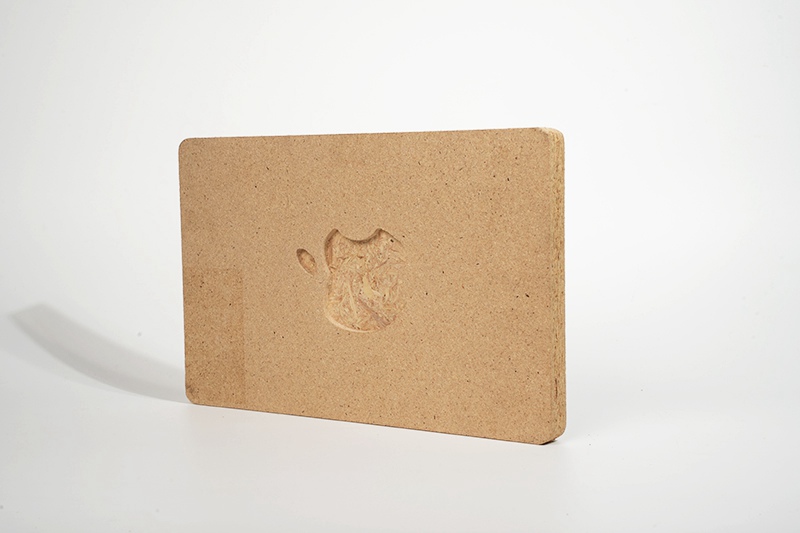
How to Waterproof OSB Board
Waterproofing OSB is not a single technique but a process that includes preparing the board, improving its surface resistance, sealing its edges, and applying a protective layer that prevents moisture from entering. The goal is to create a barrier that resists both direct water contact and humidity-related swelling. Below are the most reliable methods and how they work in practice.
Surface Sealing With Waterproof Coating
The easiest way to waterproof OSB is to apply a penetrating waterproof sealer. This type of sealer soaks into the wood fibers, forming a hydrophobic layer inside the material. These sealers are commonly used on wood decks and perform well on OSB as long as multiple coats are applied.
The sealing process usually involves thorough cleaning, applying brush-on or spray-on sealer, and allowing complete drying between coats. The final result is a surface that resists water absorption much more effectively than untreated OSB, which slows down swelling and surface fiber lift. When the OSB surface is smooth and free of debris, sealers bond better and last longer.
Applying Exterior-Grade Paint or Primer
Another method to waterproof OSB is to use an exterior wood primer followed by high-quality waterproof paint. A primer provides a stable base layer that closes surface pores and improves adhesion. Exterior paints form a durable film on the surface of the OSB board and are formulated to resist UV rays, rain, and moisture.
Painted OSB is suitable for indoor and semi-outdoor environments as long as the edges are properly sealed. The combination of primer and paint creates a consistent barrier that slows moisture movement and protects the board from weathering.
Using Waterproof Membranes or Films
For high-moisture environments—such as bathrooms, basements, roofs, or exposed wall systems—waterproof membranes offer a more robust solution. These can be liquid-applied membranes that create a rubber-like coating or sheet membranes that are glued to the OSB surface. Once installed, membranes prevent water from reaching the OSB entirely.
This technique is often used in construction because it provides long-term stability. When OSB boards from KIM BONG WOOD are paired with waterproof membranes, the structural panel remains protected while maintaining its strength in flooring or wall systems.
Edge Sealing for Long-Term Protection
OSB edges absorb water more quickly than flat surfaces because the end grain is exposed. Even if the face of the board is waterproofed, unprotected edges can still allow moisture to enter, leading to swelling.
Edge sealing typically involves applying waterproof edge paint, construction sealant, or thicker coats of the same waterproofing product used on the surface. Many manufacturers seal OSB edges during production for added protection, but additional on-site sealing is beneficial for long-term use.
Laminating With HPL or PVC Film
For furniture and interior applications, laminating OSB with high-pressure laminate (HPL) or PVC film creates a smooth decorative surface that is water-resistant and easy to clean. Laminates fully cover the OSB face, preventing water or humidity from penetrating. This method is also useful for worktops, shelving, or interior partitions where appearance and durability are equally important.
Comparison of Waterproofing Methods
| Waterproofing Method | Level of Moisture Resistance | Suitable Applications |
|---|---|---|
| Penetrating sealer | Moderate | General indoor use, light moisture areas |
| Exterior paint | Moderate–High | Indoor/outdoor covered areas |
| Liquid membrane | High | Bathrooms, basements, floors |
| Sheet membrane | Very High | Roofs, walls, long-term outdoor exposure |
| Lamination (HPL/PVC) | High | Furniture, interior finishes |
KIM BONG WOOD OSB boards are manufactured with structural integrity, so once waterproofed, they offer reliable performance in various building and furniture applications.
Common Questions About Waterproofing OSB
Even with proper instructions, users often have concerns about waterproofing OSB in real projects. Below are the most frequently asked questions and practical explanations.
Can OSB get wet?
OSB can tolerate temporary moisture, but repeated wetting will cause swelling. The surface flakes can raise, and the edges may expand. OSB is more water-resistant than standard plywood, but not waterproof. This is why sealing or coating is essential when OSB is exposed to humidity.
Is OSB better than plywood for moisture resistance?
OSB generally has better moisture distribution and tends to swell more evenly than plywood. However, plywood often dries faster and returns closer to its original dimensions. For this reason, proper waterproofing determines long-term performance more than the material choice alone.
Can I waterproof OSB for outdoor exposure?
Yes, but outdoor OSB must be fully protected. Paint alone is not enough for heavy rain or long-term outdoor use. Waterproof membranes, sealants, or cladding systems are required to provide adequate resistance. After waterproofing, the OSB board should be installed behind siding, roofing, or another protective layer when used outdoors.
Does OSB need edge sealing even if the face is waterproofed?
Yes. The edges absorb moisture faster than the rest of the surface and can swell significantly if left unsealed. Edge sealing is one of the most important steps when preparing OSB for areas where moisture is likely.
How many coats of sealer are needed?
Two to three coats are standard, depending on the product. Each coat penetrates deeper and increases water protection. Allowing proper drying time between coats ensures better performance.
Will waterproofing change the appearance of OSB?
Penetrating sealers typically darken OSB slightly but preserve its natural look. Paint or laminate will completely cover the appearance. For decorative OSB furniture, choosing a clear waterproofing product maintains the original OSB pattern while improving durability.
Does waterproof OSB still need maintenance?
Yes. Coatings wear over time, especially in wet environments. Regular inspection and re-coating every few years help maintain long-term waterproofing and structural stability.
Summary
Waterproofing OSB board is essential for preventing swelling, delamination, and structural weakness when used in humid or moisture-prone environments. Methods such as penetrating sealers, exterior paint, waterproof membranes, edge sealing, and laminates provide varying levels of protection. Choosing the right technique depends on where and how the OSB will be used.
KIM BONG WOOD’s OSB board offers structural strength, stable bonding, and reliable performance, making it an excellent foundation for waterproofing treatments. With proper application and occasional maintenance, waterproofed OSB becomes a durable and versatile material for construction, interior design, and furniture projects.
Previous: Can OSB Board Be Used for Flooring?