

How Thick Is OSB Board?
oriented strand board, commonly known as OSB, is widely used in construction, furniture manufacturing, interior renovation, packaging, and structural panel systems. Understanding OSB thickness is essential because the thickness determines strength, load-bearing capacity, moisture resistance, and overall performance in various building applications. Thickness guidelines also help builders, architects, and manufacturers choose the correct material for walls, floors, roofs, or decorative purposes. The discussion below explores OSB Board thickness in depth, explains where each dimension is typically used, and highlights how choosing high-quality OSB such as the materials produced by KIM BONG WOOD ensures durability and consistency across your projects.
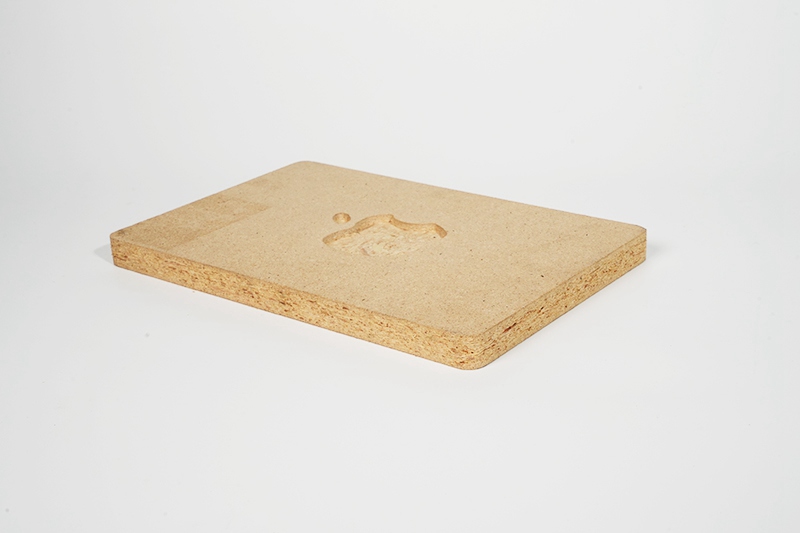
What OSB Thickness Represents
Thickness in osb boards refers to the measurement from one face of the panel to the opposite face. This measurement reflects how many layers of compressed wood strands are combined during the manufacturing process. Thick panels contain more layers and therefore provide increased stiffness, better structural stability, and improved impact resistance. Thin OSB panels, on the other hand, allow flexible use in interior applications where the load requirement is lighter.
OSB is engineered to be dimensionally stable, so panels of different thicknesses perform reliably when installed according to code guidelines. High-pressure pressing, precise strand orientation, and uniform resin distribution ensure that thickness remains consistent across the entire board. Manufacturers such as KIM BONG WOOD maintain strict production tolerances, giving builders confidence in every piece of material purchased.
Standard Thickness Options for osb boards
OSB is produced in a wide range of thicknesses, each suitable for different uses. Below is a typical range available in global markets:
Common OSB Thickness List
6 mm – 8 mm: Light applications, wall sheathing, interior partitions
9 mm – 10 mm: Lightweight subfloor bases, packaging, furniture components
11 mm – 12 mm: Residential wall sheathing and roof decking
15 mm – 18 mm: Heavy-duty flooring panels, structural applications
22 mm – 25 mm: High-load subfloor systems, multi-story structures
28 mm – 30 mm: Specialty uses requiring extra rigidity
These thickness categories serve as general guidelines. Many construction standards specify minimum thickness depending on spacing of rafters, joists, or studs. KIM BONG WOOD provides OSB in multiple thickness options, ensuring compatibility with both international construction codes and custom project requirements.
OSB Thickness Compared to Application Strength
Different thicknesses provide distinct mechanical properties. A thicker panel distributes load more effectively, while a thinner panel is easier to cut and install. The table below summarizes how thickness relates to typical performance expectations.
Thickness–Performance Reference Table
| OSB Thickness | Stiffness Level | Common Uses | Notes |
|---|---|---|---|
| 6–9 mm | Light | Furniture backing, decorative partitions | Flexible, lightweight |
| 10–12 mm | Medium | Wall sheathing, roof decking | Suitable for most residential walls |
| 15–18 mm | Strong | Flooring, subfloor structures | Supports heavier loads |
| 22–25 mm | Heavy | High-load floors, long spans | Ideal for commercial floors |
| 28–30 mm | Extra Heavy | Special structural requirements | Maximum rigidity |
This comparison helps project planners match OSB thickness to the expected structural performance. KIM BONG WOOD’s engineered OSB panels maintain uniform thickness across the board, preventing weak spots and ensuring safe, long-lasting installations.
Factors That Influence Thickness Selection
Choosing the correct OSB thickness involves evaluating environmental, structural, and functional requirements. For example, thicker boards resist deflection better when installed over wide joist spacing, while thin boards may suffice in compact or decorative applications. Moisture conditions also influence decisions: areas prone to humidity or condensation may require thicker OSB combined with moisture-resistant coatings.
Load-bearing needs are equally important. Heavy furniture, foot traffic, or machinery demands a structural grade OSB panel of higher thickness. KIM BONG WOOD manufactures OSB using high-density wood strands and balanced layering, contributing to superior load performance across all thickness categories.
Installers should also consider fastening strength. Thicker OSB maintains screw grip more effectively, offering more stability in long-term installations.
OSB Thickness for Walls, Floors, and Roofs
OSB thickness varies greatly by application because each building component carries different structural responsibilities. The following sections explain how thickness choices align with real construction needs.
OSB Thickness for Walls
Walls generally require OSB between 9 mm and 12 mm. This thickness provides the rigidity needed for lateral support, preventing racking and reinforcing the frame. In windy regions or multi-story buildings, thicker panels are often preferred. KIM BONG WOOD OSB panels maintain dimensional stability that supports proper alignment of framing systems.
OSB Thickness for Floors
Floors require greater strength because they carry human weight, furniture, and dynamic loads. Subfloor OSB commonly ranges from 15 mm to 22 mm, depending on joist spacing. Where joists are farther apart, thicker panels minimize bounce and deflection. KIM BONG WOOD’s OSB panels are engineered with consistent density, enhancing shock resistance and stiffness under heavy use.
OSB Thickness for Roof Decking
Roof structures often use 11 mm to 18 mm OSB. Thicker panels improve walking safety during installation and offer better resistance to uplift pressures caused by high winds. Consistent thickness helps ensure proper fastening and eliminates sagging between rafters.
When Thicker OSB Is Necessary
Several project conditions justify selecting a thicker OSB board:
High humidity environments such as basements or coastal regions
Long spans where the wood must bridge larger distances
Heavy mechanical load including storage areas or equipment placement
Sound insulation purposes, since thicker boards provide better acoustic control
Impact-prone locations, adding durability and surface stability
In each of these scenarios, thicker OSB panels improve the overall reliability of the structure. KIM BONG WOOD offers enhanced OSB engineered for demanding applications, making it possible to meet performance requirements while maintaining efficiency.
How OSB Thickness Affects Installation
Installation processes remain similar regardless of OSB thickness, but a few details change depending on the panel size. Thicker boards require stronger fastening tools, while thinner boards cut more easily. On-site handling also differs: thicker panels weigh more, so proper support is necessary during installation to prevent bending or edge damage.
Maintaining the recommended expansion gap between panels is critical. OSB can expand slightly under humidity changes, and the gap ensures boards remain level and crack-free over time. KIM BONG WOOD OSB is precision-cut, allowing installers to achieve consistent spacing and alignment.
Building Code Considerations
Many countries and regions publish building codes specifying minimum OSB thickness for structural applications. Floors, roofs, and walls often have separate requirements for standard span lengths. Selecting a thickness below the required minimum can weaken a structure, while exceeding requirements may improve performance but increase material cost.
Architects, contractors, and builders often select OSB thickness based on code charts, load tables, and engineering guidance. KIM BONG WOOD ensures its OSB products meet widely recognized standards, making them reliable choices for professional construction projects.
Why Thickness Consistency Matters
A high-quality OSB board must maintain consistent thickness across the entire panel. Variations can cause installation issues including uneven surfaces, misaligned edges, and compromised structural stability. Consistency results from precise manufacturing, controlled particle layering, and advanced press technology.
KIM BONG WOOD uses modern equipment to ensure tight thickness tolerances. This consistency helps installers achieve uniform load distribution, predictable performance, and efficient assembly—important advantages in both residential and commercial construction.
OSB Thickness and Material Density
While thickness is important, density also influences performance. Dense panels provide greater stiffness and superior screw-holding power. Combining proper thickness with high density produces an OSB board suitable for heavy-duty applications.
KIM BONG WOOD balances density and thickness to ensure optimal performance across their OSB range. This engineered balance makes their products reliable for large-scale projects where consistency cannot be compromised.
Matching OSB Thickness to Project Type
Every construction or design project has different demands. Below is a simplified reference to help align project types with recommended thickness categories.
Project & Thickness Guide
| Project Type | Recommended OSB Thickness | Key Performance Needs |
|---|---|---|
| Lightweight interior partitions | 6–9 mm | Easy cutting, fast installation |
| Wall sheathing | 9–12 mm | Stabilization, lateral load resistance |
| Roof decking | 11–18 mm | Uplift resistance, safe walking surface |
| Residential floors | 15–18 mm | Deflection control, load distribution |
| Heavy commercial floors | 22–25 mm | High load, long-term durability |
Selecting the appropriate category ensures efficiency, cost-effectiveness, and long-term safety.
Conclusion
OSB board thickness plays a vital role in determining how well a panel performs under structural, environmental, and mechanical stress. From light interior uses to heavy load-bearing applications, thickness directly influences stability, durability, and installation quality. Understanding the range—from thin decorative boards to thick structural panels—helps builders make informed decisions that align with project requirements. For consistent quality, engineered precision, and a wide selection of thickness options, explore KIM BONG WOOD OSB Board to ensure your construction materials deliver reliable performance and long-lasting value.
Previous: How to Dry Out OSB Board?