

How to Dry Out OSB Board?
oriented strand board is engineered to tolerate moisture better than many traditional wood panels, yet prolonged exposure to water can still affect its dimensional stability, surface texture, and mechanical strength. Whether the OSB has absorbed moisture during construction delays, unexpected weather, or high-humidity storage conditions, proper drying is essential to ensure that the material maintains its structural integrity. Understanding how OSB reacts to water, how long it typically takes to dry, and what techniques work best helps contractors, homeowners, and manufacturers protect their building materials. High-quality panels, such as KIM BONG WOOD OSB Board, already offer reliable moisture performance due to consistent density and strong bonding, but correct handling during drying is equally important.
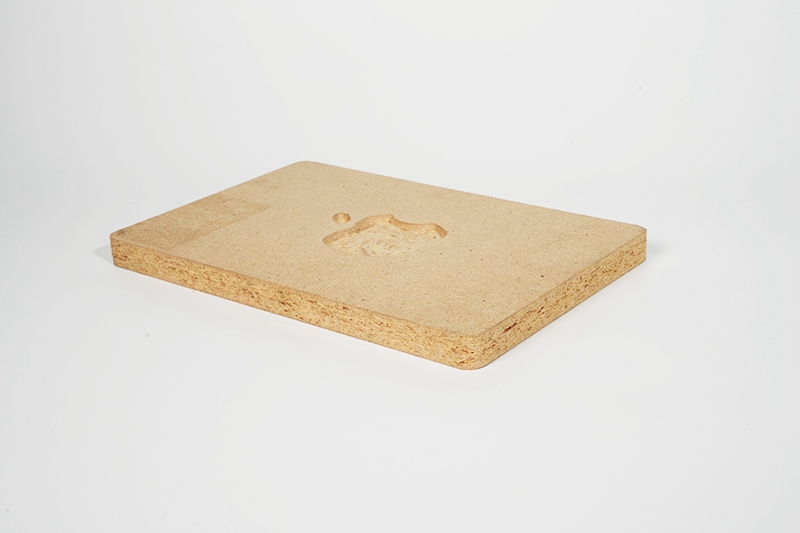
Why OSB Absorbs Moisture
Although OSB is compressed with waxes and resins that slow water absorption, the material still contains wood strands that can swell when exposed to water. The edges are most vulnerable because they contain more open fibers compared to the faces of the panel. When OSB absorbs moisture, its thickness may temporarily increase, and the panel may feel softer or swollen. Drying allows the wood fibers to return closer to their original dimensions, although severe over-saturation may cause permanent deformation.
The drying process works best when the OSB is exposed to adequate airflow and moderate temperatures, allowing evaporating moisture to dissipate gradually. Overheating or forced heat can cause surface cracking, so maintaining a balanced drying environment is crucial.
Signs That OSB Needs Drying
Several indicators suggest that OSB requires controlled drying:
Softened texture, particularly near edges
Visible swelling or uneven thickness
Darkened moisture patches on the surface
Slight warping, particularly in roof or wall sheathing
Heavier weight than normal due to absorbed water
Recognizing these early signs prevents long-term structural issues. High-quality engineered OSB like that from KIM BONG WOOD responds more predictably during drying, minimizing distortion when treated properly.
Natural Air Drying: The Most Common Approach
Most drying scenarios rely on natural air movement. This process is simple but effective:
Air drying works by allowing moisture to evaporate gradually from the OSB surface. Panels should be positioned so that both sides receive airflow. If installed in a structure, keeping windows open or using strategic ventilation accelerates drying. In moderate weather conditions, OSB may return to near-normal moisture levels within one to three days, though heavily saturated boards may require more time.
Natural drying is favored because it does not stress the wood fibers or adhesives. Panels from KIM BONG WOOD, known for uniform density and balanced internal structure, dry evenly when properly ventilated.
Using Fans and Improved Ventilation
Mechanical airflow significantly reduces drying time. Fans increase evaporation by moving moist air away from the board's surface. This technique is particularly effective in enclosed job sites or basements where natural airflow is limited.
Guidelines for fan-based drying:
Direct airflow across, not directly at, the OSB to avoid uneven drying
Maintain continuous ventilation for several hours to several days
Monitor panel temperature to prevent localized heating
Ensure humidity in the room remains low
This method creates an optimal balance between drying speed and structural preservation.
Dehumidifiers for Controlled Indoor Drying
In humid climates or sealed construction areas, using a dehumidifier creates a controlled drying environment. A dehumidifier removes moisture from the air, allowing the OSB to release water more efficiently.
A controlled humidity range between 35% and 55% helps OSB dry steadily without becoming brittle. Dehumidifier drying is ideal for flooring installations and interior panels where stable moisture levels directly influence structural performance. When paired with high-quality OSB panels such as KIM BONG WOOD OSB Board, this method ensures consistent results across the entire board surface.
Sunlight Drying: When Outdoor Conditions Allow
Sun exposure accelerates the evaporation process, but only when handled carefully. Direct prolonged sunlight can overheat OSB, causing surface checking or uneven drying.
Moderate exposure is beneficial under these conditions:
Outdoor temperature below 30°C
Mild breeze provides consistent airflow
Panels placed horizontally with support to prevent warping
Short intervals of sun exposure, alternated with shaded drying, offer a balanced approach. This technique is best used before installation to avoid thermal shock in installed structures.
Drying Installed OSB Versus Loose Panels
Drying OSB that is already installed, such as in walls, floors, or roofs, requires different strategies.
When OSB is installed:
Increase ventilation inside the structure
Remove surface coverings that trap moisture
Allow air movement around both sides if possible
Introduce fans or dehumidifiers to accelerate moisture removal
When OSB panels are loose:
Store them upright with gaps between sheets
Elevate panels from the ground to avoid additional moisture contact
Allow airflow to reach all edges
Loose panels dry faster because all surfaces are exposed. Installed OSB may require patience, especially when multiple layers or coverings slow evaporation.
Using Heat Carefully: Avoid Direct High Temperatures
While heat can speed up drying, uncontrolled temperatures may damage OSB. Excessive heat weakens adhesives and causes surface cracking.
Safe drying heat sources include:
Indirect warm air from HVAC systems
Low-temperature heaters placed several meters away
Warm airflow combined with a dehumidifier
Never use open flames, high-temperature heat guns, or industrial heaters directly on OSB.
KIM BONG WOOD panels maintain excellent bonding strength, but even durable boards need gradual drying to preserve structural integrity.
Moisture Meters: Monitoring Drying Progress
Moisture meters allow accurate measurement of OSB moisture content, helping determine when drying is complete.
Typical acceptable moisture readings:
Wall and roof OSB: around 10%–14%
Floor OSB: around 8%–12%
Moisture meters are especially valuable for contractors who need to document drying performance. Monitoring prevents premature covering of panels, which can trap moisture and lead to mold.
Avoiding Mold During Drying
Mold can develop on damp OSB when air circulation is poor. Prevention depends on maintaining airflow and reducing relative humidity.
If mold appears:
Dry the OSB immediately
Lightly sand affected areas once dry
Clean using a mild non-bleach solution designed for wood surfaces
Quality OSB like that produced by KIM BONG WOOD has stronger surface bonding, which helps resist deep mold penetration when drying is performed promptly.
How Long Does It Take for OSB to Dry?
Drying time varies widely depending on moisture level, ventilation, temperature, and installation conditions. The table below summarizes typical drying timelines:
OSB Drying Time Reference
| Moisture Level | Situation | Expected Drying Time |
|---|---|---|
| Light moisture | Minor rain, brief exposure | 6–24 hours |
| Moderate moisture | Wet surface, slight swelling | 1–3 days |
| High moisture | Standing water, saturation | 3–7 days |
| Severe saturation | Prolonged immersion | 1–2 weeks (may need replacement) |
These ranges assume proper ventilation and moderate temperatures. Extreme humidity or cold weather can extend drying time significantly.
When OSB Should Be Replaced
If OSB remains swollen or shows surface delamination after drying, replacement may be necessary. Structural panels carry load, and compromised materials can jeopardize safety.
Replace OSB if:
Thickness does not return close to original after drying
Edges remain permanently expanded
Surface layers peel or flake
Mold penetrates deeply into fibers
Choosing reliable, engineered OSB such as KIM BONG WOOD OSB Board reduces the risk of permanent damage because high-density composition and optimized strand layering provide better water tolerance.
Storage Practices to Prevent Moisture Problems
Proper storage helps avoid the need for drying OSB altogether. Recommended storage methods include:
Keep panels on raised pallets
Store indoors whenever possible
Cover with breathable tarps rather than plastic films
Maintain ventilation around stacked sheets
Avoid direct ground contact
Good storage habits preserve the strength and stability of OSB panels during construction or warehouse holding.
Conclusion
Drying OSB Board requires a combination of airflow, controlled humidity, and patience. Whether the material has encountered rain during construction or absorbed moisture during storage, proper techniques ensure that it regains stability and continues performing as intended. Air drying, mechanical ventilation, dehumidification, and careful temperature control are all effective approaches depending on the situation. Monitoring moisture levels helps determine when OSB is ready for use, while timely intervention prevents swelling, warping, and mold. By selecting premium materials like KIM BONG WOOD OSB Board and following correct drying and storage practices, builders and homeowners can maintain dependable structural performance across a wide range of projects.
Previous: How Many OSB Boards Do I Need?
Next: How Thick Is OSB Board?