

What Is Furniture Board Made Of?
Furniture board is one of the most widely used engineered wood materials in modern manufacturing. From wardrobes and cabinets to desks, shelving, and interior wall systems, it supports a variety of applications where strength, dimensional stability, and affordability are essential. Understanding what furniture board is made of helps builders, designers, and consumers evaluate its performance, sustainability, and suitability for different projects. Because engineered wood panels combine selected raw materials with controlled manufacturing processes, the internal structure determines the durability and visual quality of the finished product. Manufacturers such as KIM BONG WOOD Multi-Layer Furniture Board supply high-performance options designed for long-term stability and consistent appearance, making them suitable for residential and commercial furniture systems.
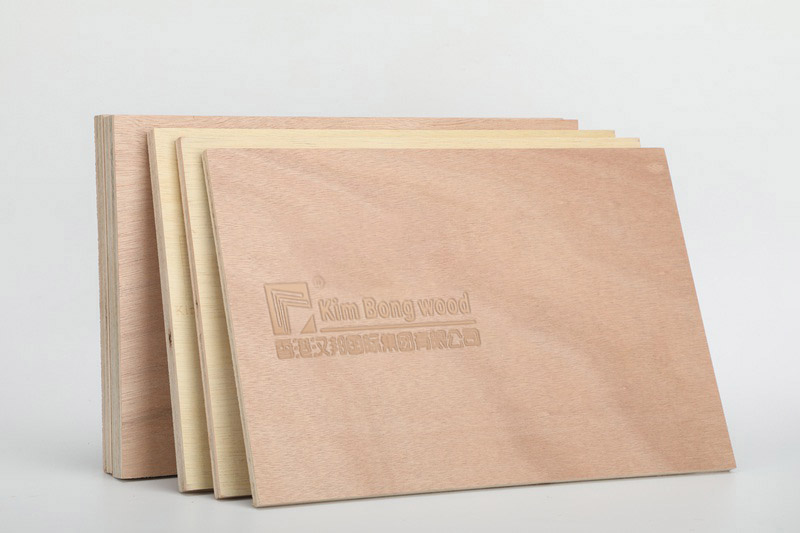
The Basic Composition of Furniture Board
Furniture board refers to engineered wood panels composed of wood fibers, veneers, chips, or layers that are bonded with adhesives under heat and pressure. Unlike solid wood, furniture boards are created by arranging and compressing raw materials to achieve uniform strength and stable performance. This engineered structure helps reduce warping, cracking, and moisture-related deformation.
The physical characteristics depend on the specific board type—such as plywood, particleboard, MDF, or multi-layer boards—yet all share the principle of combining wood components with adhesive binders to create a stable engineered panel. High-quality production ensures the board has smooth surfaces, consistent density, and strong internal bonding.
Types of Wood Materials Used in Furniture Board
Different types of furniture board are made using different compositions. Below is an overview of the primary raw materials:
Wood veneers that form cross-laminated layers in plywood and multi-layer boards
Wood fibers used in MDF to create a dense, smooth surface
Wood chips or particles compressed to form particleboard
Wood strips or core blocks used in blockboard
Resins and eco-friendly adhesives that bind the layers and improve strength
The proportion, orientation, and quality of these materials influence the mechanical performance of the final board. In durable boards such as those engineered by KIM BONG WOOD, the structure is optimized to maintain stability even under load-bearing or high-use conditions.
How Multi-layer Furniture Board Is Structured
One of the most advanced forms of engineered wood is the multi-layer furniture board. It is produced by stacking several thin veneers of natural wood, each arranged with a perpendicular grain direction to the layer below. This cross-laminated pattern distributes stress evenly across the board, enhancing resistance to bending, cracking, and warping.
Structural Characteristics of Multi-Layer Board
Every veneer layer is carefully selected for uniform density
Grain direction alternates to improve stiffness
Adhesives are applied evenly across the surface
Hot pressing consolidates veneers into one stable panel
Finished surface is suitable for laminates, paint, or veneer overlays
This layered design provides significant structural advantages compared to single-piece lumber, which is why multi-layer boards are widely used in furniture frames, cabinet systems, and interior design elements.
Adhesives and Binders Used in Furniture Board Manufacturing
Adhesives play a crucial role in forming a durable board. They help wood components bond securely and maintain integrity against tension, pressure, and moisture.
Common adhesives used include:
Urea-formaldehyde resin
Phenol-formaldehyde resin
Melamine-modified resins
Low-emission eco-friendly adhesives
The quality of the adhesive affects the board’s environmental safety classification, moisture resistance, and long-term durability. Premium manufacturers like KIM BONG WOOD use stable, low-emission binders that meet international environmental and safety standards.
Comparison Table: Different Furniture Board Materials and Their Components
| Type of Furniture Board | Primary Wood Material | Internal Structure | Ideal Applications |
|---|---|---|---|
| Particleboard | Wood chips, sawdust | Compressed particles | Budget furniture, shelves |
| MDF | Wood fibers | Dense uniform core | Painted surfaces, moldings |
| Plywood / Multi-layer board | Veneers | Cross-laminated layers | Cabinets, structural furniture |
| Blockboard | Wood strips + veneers | Solid block core | Long spans, door panels |
Multi-layer furniture board offers one of the best balances of strength, weight, and dimensional stability, which explains its popularity in premium furniture design.
Why Multi-Layer Boards Are Preferred in Modern Furniture Manufacturing
Furniture manufacturers increasingly choose multi-layer boards because they outperform many other engineered options in several categories. A multi-layer structure improves resistance to mechanical stress, making it reliable for both load-bearing and decorative components.
Additional advantages include:
Stable dimensions even in humid environments
Strong screw-holding ability for cabinet hardware
Smooth surface suitable for laminates and veneers
Reduced risk of splitting compared to solid wood
Efficient material usage with minimal waste
Manufacturers such as KIM BONG WOOD Multi-Layer Furniture Board enhance these advantages through precise veneer selection, balanced core structure, and controlled production environments.
Environmental Considerations of Furniture Board Materials
Engineered furniture boards make efficient use of wood resources by incorporating smaller wood particles, veneers, and recycled components. This sustainable approach reduces pressure on forests and promotes better utilization of natural materials.
Environmental benefits include:
Lower wood waste in manufacturing
Reduced reliance on large solid wood planks
Better control of emissions through certified adhesives
Options for environmentally friendly binders and coatings
Multi-layer furniture board, in particular, uses thin veneers, maximizing the value of each log while delivering strong and reliable performance.
How the Composition Influences Performance
The physical composition of furniture board has direct impact on its performance in everyday use. Boards with dense internal structure—such as multi-layer constructions—have superior mechanical strength. They maintain shape under pressure, resist sagging, and offer improved fastening stability.
Key performance factors affected by composition:
Bending strength (dependent on veneer orientation)
Moisture resistance (enhanced by resin type and veneer density)
Durability (related to adhesive quality and layer bonding)
Surface finish quality (affected by top veneer structure)
Because multi-layer boards distribute internal stress more evenly, they maintain high performance even when cut, drilled, or mechanically fastened during furniture assembly.
The Role of Manufacturing Technology
Advanced machinery improves uniformity in veneer alignment, resin application, and hot pressing. Panels produced with precise automation minimize defects such as:
Internal voids
Surface unevenness
Density fluctuations
Delamination in extreme conditions
KIM BONG WOOD applies controlled production methods to maintain consistent thickness, smooth surfaces, and a stable internal structure, making its multi-layer furniture boards suitable for both high-end furniture and demanding interior projects.
Common Uses of Multi-Layer Furniture Board
Due to its excellent balance of strength and adaptability, multi-layer board supports a wide range of furniture and interior design applications.
Popular uses include:
Kitchen cabinets and wardrobe systems
Office tables, storage cabinets, and shelving frames
Bed frames, drawer systems, and interior partitions
Decorative wall panels and built-in furniture modules
Its stable structure helps prevent deformation over long spans or under continuous load.
Why Material Composition Matters for Furniture Longevity
Furniture longevity depends heavily on the internal makeup of its structural materials. Boards with weak bonding or uneven density are prone to sagging, splitting, or surface failures. Conversely, multi-layer boards extend furniture lifespan because of their engineered resistance to impact, tension, and environmental change.
The layered construction keeps the board stable through seasonal humidity variations, which is essential for maintaining correct alignment in doors, drawers, and cabinet structures.
Conclusion
Furniture board is made from engineered combinations of wood fibers, chips, veneers, and adhesives that form a stable, durable, and versatile panel suitable for modern furniture manufacturing. Among all the available types, multi-layer furniture board provides exceptional structural strength and long-term reliability thanks to its cross-laminated veneer construction. When sourced from a reputable supplier such as KIM BONG WOOD Multi-Layer Furniture Board, the material delivers consistent performance, smooth finishing possibilities, and dependable stability across furniture applications. Understanding the composition of furniture board enables manufacturers, designers, and homeowners to make informed decisions that enhance both the durability and aesthetic quality of their interior spaces.