

How To Identify High-Quality Furniture Panels?
High-quality furniture panels are the foundation of durable cabinetry, wardrobes, interior joinery, and commercial fit-outs. When panels are poor, the problems usually appear fast: weak screw holding, warping, edge chipping, odor complaints, delamination, and surface defects that make finishing difficult. When panels are truly good, the benefits show up everywhere—clean machining, stable dimensions, strong bonding, consistent thickness, and a safer indoor environment.
This guide explains how to identify high-quality furniture panels in a practical, professional way. It focuses on what buyers can verify, what manufacturers control, and which technical indicators matter most in real projects. It also explains how KIM BONG WOOD supports these requirements through stable production and material control. You can view our product range here: KIM BONG WOOD furniture panels.
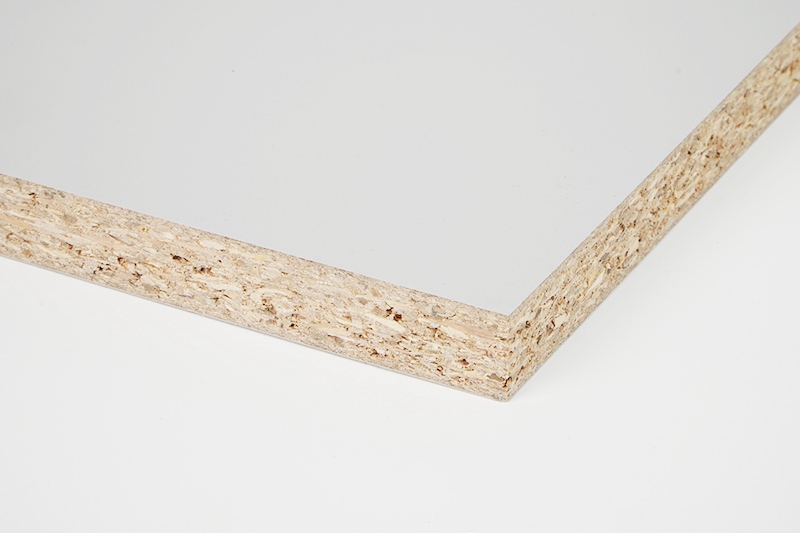
1. Start With the “Purpose” Test: Match Panel Type to Use Case
Before checking quality, define the panel’s role. Many disputes happen because the wrong panel type was chosen, not because the panel itself was poorly made. A kitchen carcass, a wardrobe, and a hotel fit-out wall panel face very different humidity, load, and fastening conditions.
A high-quality supplier should be able to guide selection among common categories such as ordinary plywood, melamine-faced board, Multi-layer Furniture Board, and flame-retardant board. The correct choice should consider moisture exposure, required surface finish, load requirements, and installation method. If a supplier only sells “one panel for everything,” that is usually a warning sign.
2. Check Core Structure: Layering, Density, and “Void” Risk
For plywood or multi-layer furniture boards, the core structure is the heart of performance. Good panels use consistent veneer layering and controlled pressing so the board behaves like a stable composite rather than a stack of uneven layers.
A practical way to evaluate structure is to look at the edge cross-section. You want to see:
Even layer thickness and clean alignment
Tight bonding lines with no visible gaps
Minimal or no voids inside the core
A consistent, balanced layup pattern that reduces internal stress
Voids matter because they create weak spots. They reduce screw holding strength, cause local collapse during machining, and can lead to surface “sink” after finishing. High-quality panels are engineered to reduce these hidden defects through controlled veneer selection and pressing consistency.
3. Bonding Strength and Delamination Resistance
Bonding is one of the most critical quality indicators because it determines whether a panel stays stable under load, heat, and humidity changes. Weak bonding can pass visual inspection but fail months later, especially in kitchens, bathrooms, coastal areas, and commercial environments with heavy air conditioning.
Signs of strong bonding include:
No layer separation when edges are routed or drilled
Stable core behavior during cutting, without sudden splitting
Smooth machining edges rather than “peel-out” along veneers
From a manufacturing standpoint, bonding quality depends on glue formulation, glue spread uniformity, pressing parameters, and curing control. A supplier with process discipline can keep bonding performance stable across batches.
4. Nail-Holding and Screw-Holding: What Really Predicts Long-Term Durability
A furniture panel is not only a surface—it is a structural fastening substrate. Screw holding strength determines whether hinges stay tight, whether cabinet frames remain square, and whether handles and hardware loosen after repeated use.
To evaluate screw holding performance, pay attention to:
Edge screw holding strength, because edge fastening is more demanding than face fastening
The absence of splitting when screws are driven
Stable grip after repeated tightening cycles
High-quality panels tend to have stable density distribution and strong internal bonding, which together support better holding power. This matters especially in furniture board applications where hinges, drawer slides, and structural connectors rely on edge fastening.
5. Thickness Accuracy and Flatness: The “Invisible” Quality That Saves Installation Time
Panel thickness consistency is a hidden cost driver. If a board is not consistent in thickness, problems appear during CNC machining, edge banding, lamination, and installation. Doors may not align, cabinet gaps may vary, and hardware installation becomes unpredictable.
High-quality panels should maintain:
Accurate thickness across the full sheet
Stable flatness with minimal bowing
Consistent squareness for clean cutting and assembly
In production, achieving this requires controlled pressing and stable raw material conditioning. In procurement, the easiest way to identify this is to verify measured thickness at multiple points and check for rocking or twisting when placed on a flat surface.
6. Surface Quality for Finishing: Clarity, Uniformity, and Edge Integrity
If the panel is melamine-faced or used for visible furniture surfaces, surface quality becomes a major purchasing factor. High-quality surfaces reduce rework, improve appearance, and support consistent furniture presentation across projects.
Look for:
Uniform color and texture with no blotchy zones
Good scratch and stain resistance for daily-use furniture
Clean edges that accept edge banding without chipping
Stable surface adhesion so lamination does not peel
Edge integrity is especially important for high-output cabinet production. If edges chip easily, you lose yield and increase labor cost. Good panels are designed for clean machining and reliable finishing performance.
7. Environmental Performance: Odor, Emissions, and “Indoor Confidence”
Furniture panels are used indoors, so environmental performance is not optional. Buyers increasingly require low-odor, low-emission boards to meet regulatory standards and customer expectations. A high-quality panel should not produce strong irritating smells and should support a healthier indoor environment after installation.
KIM BONG WOOD emphasizes environmental performance as part of product positioning. Panels with high environmental standards help customers reduce complaints, strengthen brand trust, and improve project acceptance—especially for hotels, apartments, schools, and residential cabinetry where indoor air quality is a sensitive issue.
When evaluating suppliers, ask about environmental certification, production system control, and how emissions performance is maintained consistently across batches.
8. Verify Supplier Capability: Equipment, QC System, and Batch Stability
A panel’s quality is not just the sample you see—it is the consistency across orders. For furniture factories, consistency is often more valuable than “one perfect sheet” because production planning relies on stable machining and finishing behavior.
A capable supplier should demonstrate:
A structured quality control system from raw materials to loading
Stable manufacturing equipment and controlled processes
The ability to produce consistent batches for long-term programs
Fast technical response when buyers have application questions
KIM BONG WOOD focuses on stable quality output for furniture production needs, supporting panel programs that require predictable performance. Our product range—including furniture board options designed for cabinetry and interior use—can be viewed at KIM BONG WOOD products.
9. A Practical Inspection Checklist for Buyers
If you need a quick method to identify high-quality furniture panels before placing a full order, use this inspection checklist. It helps reduce risk and makes supplier comparison more objective.
| Inspection Area | What to Look For | Why It Matters |
|---|---|---|
| Cross-section | Even layers, minimal voids, tight bonding lines | Predicts strength, machining yield, long-term stability |
| Bonding | No separation during cutting or drilling | Prevents delamination and returns |
| Flatness | No obvious bow, twist, or rocking | Ensures cabinet alignment and installation efficiency |
| Thickness | Consistent measurements across the sheet | Prevents CNC errors and edge banding issues |
| Edge integrity | Low chipping, clean routing | Improves yield and reduces labor |
| Odor and emissions | Low odor, stable indoor performance | Reduces complaints, supports compliance |
| Hardware holding | Strong screw grip at edges and face | Ensures hinges and connectors stay secure |
This checklist is simple, but it reflects how professional furniture manufacturers reduce material risk and ensure stable production output.
Conclusion
High-quality furniture panels are not defined by one single feature. They are defined by a combination of stable structure, strong bonding, reliable screw holding, thickness accuracy, clean machining behavior, and safer environmental performance. The best panels protect your production yield, reduce rework, improve furniture durability, and prevent costly after-sales issues.
For buyers who need stable panel performance for cabinetry, furniture manufacturing, and interior projects, selecting a supplier with controlled processes and consistent output is essential. KIM BONG WOOD provides furniture panel solutions designed for stable quality and professional application needs. Explore our available products here: KIM BONG WOOD furniture panels.