

Key Trends in The European Furniture Board Market for 2026
Europe’s furniture board market is entering 2026 with a clear direction: buyers want safer indoor air performance, higher consistency for industrial production, and faster supply programs that still allow customization. At the same time, regulations, retailer requirements, and consumer expectations are pushing manufacturers to prove material compliance with traceable documentation rather than simple claims. For panel suppliers and procurement teams, the winners in 2026 will be the ones who can combine stable quality, verified environmental standards, and predictable delivery.
This article breaks down the most important 2026 trends shaping demand for furniture boards across Europe, and what importers, furniture factories, and project contractors should focus on when sourcing panels. It also explains how KIM BONG WOOD aligns with these market requirements through specification control, OEM and ODM services, and certified management systems. You can review our panel range here: KIM BONG WOOD products.
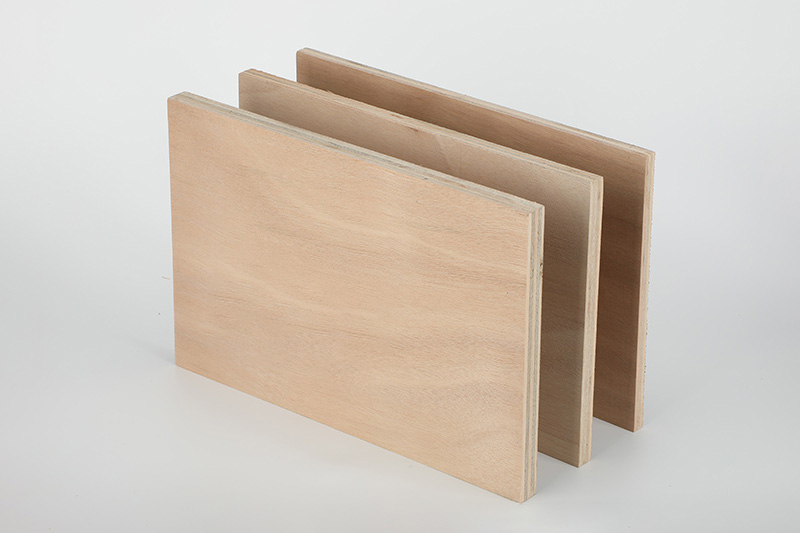
1. Low-Emission and Indoor Air Compliance Is Becoming the Default, Not a Premium Option
By 2026, low-emission performance will be treated as a baseline requirement in many European channels, especially for home furniture, hotel fit-outs, and children’s products. Buyers are increasingly careful about odor complaints, formaldehyde concerns, and overall indoor comfort, because these factors directly influence returns, reviews, and project acceptance.
For furniture board sourcing, this trend changes how panels are evaluated. It is no longer enough to ask whether a board is “eco-friendly.” Buyers want a stable environmental grade, consistent production control, and clear documentation to support procurement decisions. Panels with higher environmental performance are also becoming more common in tender specifications and retail requirements.
KIM BONG WOOD supplies furniture boards positioned for healthier indoor use, including options designed to meet strict environmental expectations such as E0 grade. For large buyers, environmental stability is valuable because it reduces after-sales risk and improves brand credibility in Europe.
2. Consistency for Industrial Production Is a Bigger Competitive Advantage Than Extreme Variety
European furniture manufacturing is highly process-driven. In 2026, the most common sourcing pain point is not the lack of product types, but inconsistent batch behavior that disrupts machining, lamination, edge banding, and assembly.
This is why panel buyers are prioritizing:
Stable thickness across sheets and across batches
Predictable machining performance for CNC and drilling
Reliable bonding behavior to avoid delamination during processing
Consistent density and screw-holding for hardware installation
This shift favors suppliers with process discipline and traceable quality systems. KIM BONG WOOD operates under certified quality management with GB/T19001-2016 and ISO9001:2015, supporting stable output for furniture manufacturing programs where consistency determines yield and labor cost.
3. Standard Sheet Size and Practical Thickness Programs Will Dominate Buying Lists
In 2026, European buyers will continue to prefer board programs that simplify factory planning and reduce SKU complexity. Standard sheet sizes and a focused thickness selection help reduce waste, improve cutting optimization, and support consistent furniture design across product lines.
A commonly requested standard is 1220 × 2440 mm, with thickness coverage that supports multiple applications from carcass to partitions. KIM BONG WOOD provides a practical thickness range that fits typical European production needs, including:
5 mm, 9 mm, 12 mm, 15 mm, 18 mm
Common furniture board programs also cover 4–18 mm depending on product type and application
This matters because a buyer can standardize sourcing for multiple categories such as wardrobes, cabinets, shelving, and decorative panels without switching suppliers, which improves production stability and reduces procurement risk.
4. Odor Control and “Comfort Perception” Is Emerging as a Procurement Criterion
In addition to formal emission levels, 2026 demand will increasingly include odor control and user comfort perception. Even when panels meet a technical standard, unpleasant odor can still lead to complaints, especially for finished furniture installed in apartments, hotels, and offices.
Suppliers that invest in odor-reduction processes and wood conditioning can offer a stronger value proposition for European markets where end users expect a clean, neutral indoor environment. KIM BONG WOOD emphasizes process-driven odor control and board conditioning through specialized treatment approaches, supporting stable indoor performance and reducing the risk of “new furniture smell” disputes.
For European importers, this trend is important because odor issues often become expensive after-sales problems. Preventing them at the material stage is far more cost-effective than handling claims after production.
5. Engineering Use and Fire Safety Demand Will Continue to Expand in Commercial Projects
Europe’s hospitality, retail, and public-space renovation projects remain strong drivers of engineered panels, including applications where safety requirements are stricter than typical residential furniture. This increases attention on performance boards such as flame-retardant panels, especially where project specifications demand safer materials with stable long-term aging resistance.
In 2026, procurement teams will more frequently request:
Material stability under long-term use
Fire-related performance alignment with project requirements
Documentation support for project handover and inspection
Consistent supply for phased construction schedules
KIM BONG WOOD provides a broader panel portfolio that supports furniture manufacturing and engineering use cases, helping buyers build a single sourcing system for both residential production and commercial projects.
6. OEM and ODM Programs Are Becoming Standard in Europe’s Mid-Market, Not Only for Big Brands
European buyers are pushing for differentiation while controlling cost. As a result, OEM and ODM services are expanding beyond top-tier brands into the mid-market: private-label retail programs, regional distributors, and contract furniture suppliers.
In 2026, the most requested OEM and ODM capabilities in furniture board sourcing will include:
Custom specifications aligned with factory processes
Stable thickness and surface programs matched to furniture collections
Logo and packaging customization for channel requirements
Repeatable batch control for multi-season product cycles
KIM BONG WOOD supports this trend with OEM and ODM availability and the ability to accept customized logos, enabling buyers to build consistent brand identity without sacrificing industrial efficiency.
For importers, OEM support also reduces complexity: one supplier can provide technical alignment, documentation, and production continuity rather than splitting programs across multiple factories.
7. Procurement Will Shift Toward Clear Order Rules and Predictable Logistics
By 2026, European procurement teams are placing more emphasis on supplier reliability: MOQ clarity, packaging standards, and logistics planning that minimize damage risk and reduce schedule uncertainty.
KIM BONG WOOD provides clear supply parameters that support professional purchasing workflows:
MOQ: 1000 pcs
Transportation: by sea or by land
Packaging: regenerated wooden base
Quality and safety certification support: ISO9001 system and recognized enterprise credentials
Attestation of Chinese Environment Mark as part of environmental management credibility
For European buyers, these details matter because they reduce friction in procurement and make planning easier for warehouses, distributors, and production schedules.
Conclusion
The European furniture board market in 2026 is moving toward a tighter standard: environmental performance, predictable production behavior, and supply reliability are no longer differentiators, they are entry requirements. The real competitive advantage comes from combining these fundamentals with practical OEM and ODM support, stable thickness programs, and documented quality management.
KIM BONG WOOD aligns with these trends by offering furniture board solutions designed for industrial consistency, environmental-grade positioning such as E0 grade options, and professional supply parameters including ISO9001 system control, OEM and ODM availability, customized logo acceptance, and clear logistics support. To review available board programs and discuss a sourcing plan for your European market needs, visit KIM BONG WOOD products.