

Choosing the Right PET Board for Customized Furniture
PET Board has become one of the most requested materials in customized furniture because it delivers a clean, modern surface with strong color consistency and a production-friendly workflow. For cabinet makers, wardrobe factories, and project contractors, “choosing the right PET board” is less about chasing the newest texture and more about controlling long-term performance: surface durability, edge finishing, substrate stability, and compliance documentation that satisfies buyers and inspectors.
This guide explains how to evaluate PET boards step by step, what specifications truly matter for customized furniture, and how to avoid common sourcing mistakes that lead to peeling edges, mismatched gloss, or post-installation complaints. KIM BONG WOOD supplies furniture board solutions for customized projects with OEM and ODM support, stable production control, and clear supply terms. You can view our available board options here: KIM BONG WOOD products.
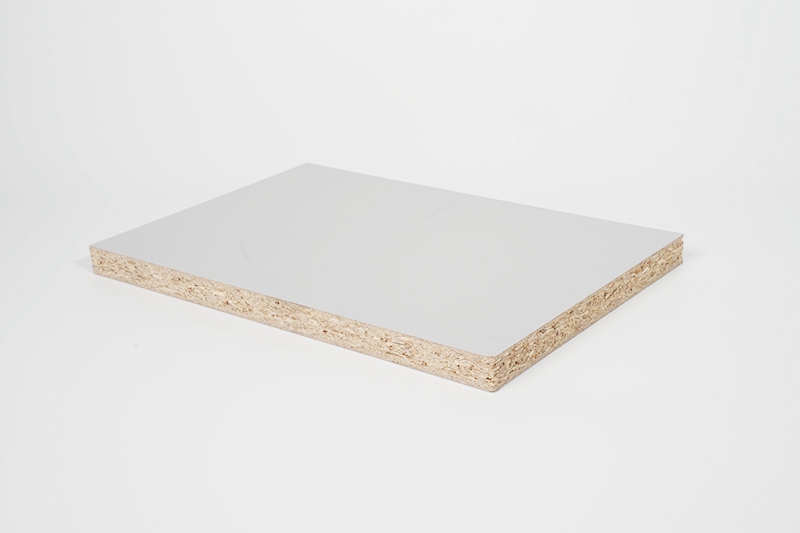
1. What PET Board Actually Is in Customized Furniture Supply Chains
In furniture manufacturing, PET board usually refers to a decorative panel that uses a PET surface layer paired with a structural core board. Buyers like PET because it can achieve a refined “no-paint” look, and the surface can be produced with stable color, stable texture, and consistent visual tone across batches when the supply chain is controlled properly.
For customized furniture, the PET surface is only half the story. The final performance depends on the full panel system:
The PET surface quality and coating stability
The bonding process between surface and core
The core board grade and emission level
The edge banding compatibility and finishing method
Packaging and transportation control that prevents warping and corner damage
If you treat PET board as just a “pretty surface,” you risk selecting a panel that looks good in samples but becomes difficult to process in real production.
2. The 2026 Buyer Mindset: What Customized Furniture Customers Are Actually Paying For
Customized furniture customers in many markets are becoming more sensitive to three outcomes: indoor comfort, visual perfection, and long-term ease of maintenance. That changes how procurement should select PET boards.
A practical way to translate that mindset into purchasing criteria is:
Indoor comfort means you must control odor perception and choose a panel system that supports higher environmental expectations.
Visual perfection means your factory needs stable color and consistent surface gloss across doors, fillers, and side panels.
Easy maintenance means the surface must stay cleanable and presentable in high-touch areas like kitchens, wardrobes, and vanities.
KIM BONG WOOD boards are positioned around stable manufacturing and environmental credibility, supported by quality management systems and environmental labeling credentials, which helps buyers reduce the risk of complaints in finished furniture projects.
3. Core Board and Environmental Grade: The Part Many Buyers Forget
PET is the surface, but the core determines much of the furniture’s long-term stability and the user’s indoor experience. If a customer wants a “healthy home” result, the core cannot be treated as an afterthought.
When reviewing PET board for customized furniture, confirm the core strategy in writing:
What environmental grade the core meets for the intended market
Whether odor control is addressed through material control and process control
Whether the core remains stable under seasonal humidity changes after cutting and edging
Whether the supplier can keep the same core standard across repeat orders
If you are sourcing for modern home customization programs, choosing a higher environmental grade core is often the simplest way to reduce odor disputes and help the final furniture feel “clean” after installation.
4. Thickness Selection: Match the PET Board to the Furniture Structure, Not Just the Door Style
Thickness influences stiffness, screw-holding behavior, and the feel of the finished furniture. Many customized programs standardize thickness to simplify production and reduce mistakes on the workshop floor.
KIM BONG WOOD can supply PET board thickness options such as 8 mm and 18 mm, which cover common customized furniture needs:
Thinner panels are often used for decorative components or specific lightweight parts where structure is supported by framing.
Thicker panels are commonly selected for carcass structures, load-bearing components, and doors that need stronger rigidity and better hardware support.
What matters is not only the thickness itself, but consistency. A stable thickness program improves CNC performance, reduces rework, and makes edge banding more reliable.
5. Surface Performance and Finishing Compatibility: How to Avoid “Good Sample, Bad Mass Production”
Most PET board failures in customized furniture happen at the interface between design expectation and manufacturing reality. A sample may look perfect, but mass production introduces edge stress, machining heat, and large-area visual inspection under strong lighting.
Before confirming PET board, validate these production-facing factors:
How the surface behaves during cutting and drilling, including edge chipping risk
Whether the surface shows glue marks, pressure marks, or scratch sensitivity during assembly
Whether the board has stable visual tone across sheets, especially for large wardrobes and long cabinet runs
Whether the recommended edge banding and adhesive system is proven for PET surfaces
If your product line includes premium finishes, you should also control the visual consistency between PET doors and matching cabinet bodies. This is where stable production control and batch consistency become more valuable than having many patterns.
6. A Procurement Table for PET Board Selection in Customized Furniture
Use the table below to align engineering requirements, production needs, and customer expectations during supplier evaluation.
| Selection Area | What to Confirm | Why It Matters in Customized Furniture |
|---|---|---|
| Environmental performance | Core grade strategy and odor control approach | Reduces installation complaints and after-sales risk |
| Thickness program | 8 mm, 18 mm or other program planning | Improves CNC efficiency and structural reliability |
| Surface consistency | Color, gloss, texture consistency across batches | Prevents visible mismatch on doors and side panels |
| Edge finishing | Edge banding match and bonding stability | Avoids peeling, lifting edges, and warranty claims |
| Packaging and logistics | Protective packaging and stable transport method | Prevents corner damage and warping before production |
| Documentation | Quality system and environmental credentials | Supports professional procurement and project acceptance |
Conclusion
Choosing PET board for customized furniture should be a system decision, not a surface decision. The best PET board is the one that keeps a stable look and stable performance after real manufacturing steps: CNC processing, edge banding, assembly, delivery, and long-term use in kitchens and living spaces. That requires attention to core quality, environmental grade strategy, thickness planning, surface consistency, and supplier program capability.
KIM BONG WOOD supports customized furniture sourcing with stable specifications, PET board thickness options such as 8 mm and 18 mm, OEM and ODM services, customized logo support, certified quality management, and professional logistics planning. To review available board options and align a program with your furniture requirements, visit KIM BONG WOOD products.