

How Flame-Retardant Plywood Addresses Safety in Hotel Renovations
Hotel renovations are high-stakes projects because construction activity happens alongside strict fire-safety expectations, complex evacuation routes, and heavy daily occupancy. Material choices for walls, ceilings, millwork, casegoods, corridors, and back-of-house spaces can directly influence how quickly a fire grows, how much smoke is produced, and how long occupants and staff have to respond. For renovation teams, flame-retardant plywood is often selected as a practical way to reduce ignition risk and slow flame spread while still delivering the workability and surface quality that hotels need for premium interiors.
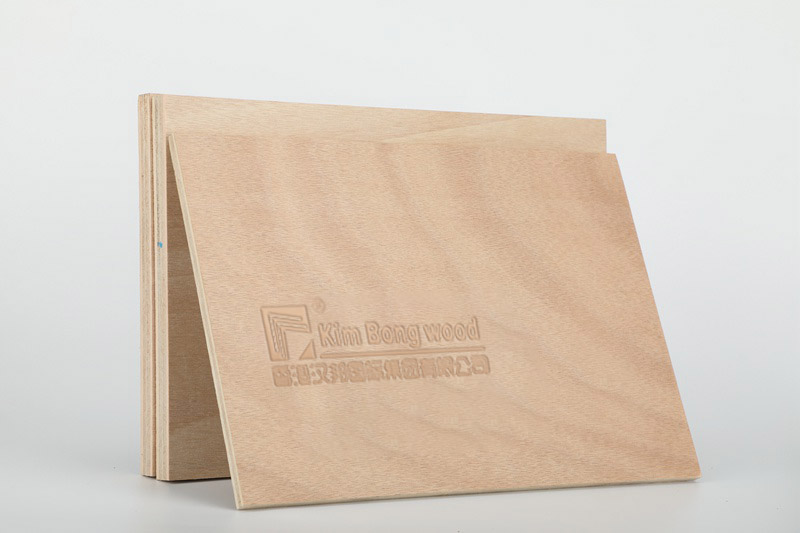
KIM BONG WOOD supplies flame-retardant board designed for renovation environments where compliance, consistency, and on-site reliability matter.
Why hotel renovation projects demand higher fire-safety margins
Hotels are different from many commercial buildings because they combine sleeping areas, long corridors, concealed service zones, and high-density public spaces. During a renovation, temporary partitions, open shafts, exposed structures, and staging materials can increase the chance of ignition and accelerate flame travel if interior substrates are not controlled.
Common renovation-stage safety challenges include:
More ignition sources such as cutting, drilling, lighting, temporary wiring, adhesives, and hot works.
More combustible exposure such as unfinished wall cavities, loose panels, packaging, and stored materials.
More complex evacuation conditions due to partial closures, rerouted exits, and mixed guest traffic.
Choosing a substrate that helps slow fire development can reduce the risk profile of the build phase and support long-term operational safety after reopening.
What flame-retardant plywood does in a real fire scenario
Flame-retardant plywood is engineered to reduce flammability compared with untreated wood-based panels. In practical terms, this can mean:
Slower ignition under exposure to heat or flame.
Reduced flame spread across the panel surface.
More controlled burning behavior that helps delay fire growth.
Instead of enabling rapid flame travel, a flame-retardant substrate can help renovation teams design assemblies that perform more predictably, especially in areas where wood panels sit behind decorative laminates, veneers, HPL, paint systems, or acoustic finishes.
KIM BONG WOOD focuses on providing flame-retardant board options suitable for interior construction where project stakeholders need both safety performance and buildability.
How flame-retardant plywood improves safety across key hotel areas
Corridors and egress routes
Corridors are critical because they are primary escape paths and often include continuous wall and ceiling assemblies. Using flame-retardant plywood as a backing board or substrate can help reduce flame spread potential along long, connected surfaces, supporting safer evacuation conditions and helping designers target stricter performance expectations for egress zones.
Guest rooms and suites
Guest rooms include multiple ignition possibilities such as electronics, lighting, and furniture components. Flame-retardant plywood can be used in headboard walls, wardrobe systems, TV back panels, window-seat bases, and built-ins where a durable wood substrate is required but a lower combustibility profile is preferred.
Lobbies and public spaces
Public areas often use large feature walls, ceiling rafts, decorative cladding, and complex joinery. These spaces benefit from substrates that support premium finishes while addressing the fire-risk reality of high occupant density. Flame-retardant plywood can help reduce the speed at which surface fire spreads behind decorative layers.
Back-of-house and service rooms
Service zones frequently contain electrical equipment, laundry operations, storage, and maintenance supplies. In these areas, flame-retardant plywood supports safer cabinetry, partitions, and utility enclosures where a standard wood panel might increase fire load.
Safety outcomes that matter to hotel owners and project teams
Flame-retardant plywood is not only about meeting a checkbox. In hotel projects, it supports outcomes that stakeholders can plan around.
Better control of flame spread risk
When flame spread is reduced, the fire growth curve can be slowed, supporting safer evacuation and earlier suppression effectiveness.More predictable performance in multi-layer assemblies
Hotels rarely use bare substrate. Panels are combined with laminates, paints, veneers, and decorative systems. A flame-retardant core helps the overall assembly behave more safely when exposed to heat.Reduced retrofit risk in phased renovations
Hotels often renovate floor-by-floor. Choosing flame-retardant plywood can reduce safety variability between renovated and unrenovated zones, especially when temporary separations are in place.Cleaner project documentation for compliance workflows
Hotel projects typically require clear material identification, batch consistency, and supporting documentation. A professional flame-retardant board supply program helps procurement teams stay aligned with inspection expectations and project handover requirements.
Specification points procurement teams should confirm before ordering
Different regions and projects define flame-retardant performance differently. For hotels, the safest procurement approach is to confirm the target standard and the exact test classification required for your jurisdiction and design intent. When evaluating flame-retardant plywood, confirm the following with your supplier.
Target fire standard and classification your project must meet
Many projects reference ASTM E84, EN 13501-1, BS 476, or local code equivalents. The required class can differ by space type and assembly design.Intended use case and exposure conditions
Confirm whether the board is for interior dry areas, humid zones, or higher-wear applications such as corridors and public spaces.Finish compatibility
Verify compatibility with laminates, veneers, paints, and adhesives you plan to use, especially if the system requires specific bonding performance.Consistency and traceability
For hotel chains and multi-site renovation programs, stable supply and consistent properties are essential to reduce re-approval costs and delays.
KIM BONG WOOD can support project discussions around flame-retardant board selection so the product matches the safety objective and the finishing system.
Practical ways flame-retardant board supports safer renovation execution
During renovation, safety is influenced by both final material performance and how smoothly crews can install and finish surfaces without workarounds.
Easier standard fabrication workflows
Hotel millwork and partition work often require cutting, drilling, routing, and fastening. A well-made flame-retardant plywood allows these steps to follow familiar shop and site processes, reducing errors that can introduce safety issues or rework.Reduced dependence on after-the-fact treatments
Trying to apply coatings on-site to achieve fire performance can create inconsistency. A flame-retardant board approach helps keep safety performance embedded in the substrate selection.Improved planning for inspections and handover
A structured material package with clear labeling, documentation support, and stable supply helps project teams maintain momentum through inspections, punch lists, and reopening deadlines.
Table: Hotel renovation risks and how flame-retardant plywood helps
| Renovation Safety Risk | What Can Go Wrong | How Flame-Retardant Plywood Helps |
|---|---|---|
| Long corridor surfaces | Fire can travel quickly along continuous panels | Helps reduce flame spread potential on substrate surfaces |
| Hidden cavities behind finishes | Fire may develop unseen behind decorative layers | Provides a less flammable core behind laminates or veneers |
| Phased renovation zones | Mixed materials increase uneven safety performance | Creates a more consistent safety baseline in renovated areas |
| High-traffic public spaces | Higher occupancy increases evacuation pressure | Helps slow fire development, supporting evacuation time margin |
| Back-of-house ignition sources | Electrical and storage areas increase ignition probability | Supports safer partitions, cabinetry, and enclosures |
Table: Procurement checklist for hotel flame-retardant plywood
| Item to Confirm | Why It Matters in Hotels | What to Request From Supplier |
|---|---|---|
| Fire standard and class | Different spaces may require different ratings | Test report or classification information aligned to your target standard |
| Board thickness and core type | Impacts structural feel, fastening, and finish quality | Available thickness range and recommended applications |
| Moisture and environment fit | Bathrooms and service zones demand stable substrates | Guidance for humid areas and recommended finishing systems |
| Surface readiness | Finishing quality affects guest perception and durability | Surface grade options and finish compatibility notes |
| Supply consistency | Hotels often renovate multiple floors or sites | Batch control approach and continuity planning |
Where KIM BONG WOOD flame-retardant board fits best in hotel renovations
Flame-retardant board from KIM BONG WOOD is a strong fit when your renovation requires a wood-based substrate that supports:
Safer interior build-outs in corridors, rooms, and public areas.
Reliable performance behind decorative finishes such as laminates and veneers.
Procurement needs that prioritize consistency, documentation readiness, and practical install workflows.
Conclusion
Hotel renovations need materials that do more than look good on opening day. They must support safer construction, safer operation, and smoother compliance. Flame-retardant plywood helps reduce ignition vulnerability and slow flame spread behavior across the wood substrate layer that sits behind many hotel finishes. For project teams balancing deadlines, aesthetics, and safety outcomes, KIM BONG WOOD flame-retardant board offers a practical route to improving fire-risk control while maintaining the workability and finishing flexibility that hotel interiors demand.