

Is OSB Board Poison to Pets?
OSB Board is widely used for flooring underlayment, wall sheathing, furniture structures, shelving, and DIY pet-related projects. A common concern from homeowners and facility managers is whether osb board is poison to pets. The short, practical answer is that OSB itself is not designed to be ingested, and most pet risks come from chewing, dust exposure, splinters, and the resins used to bind wood strands. The good news is that when you choose a well-made, compliant osb board and use it correctly, OSB can be a safe and durable building material for pet-friendly spaces.
KIM BONG WOOD supplies OSB board for construction and interior applications, supported by stable manufacturing systems and quality control.
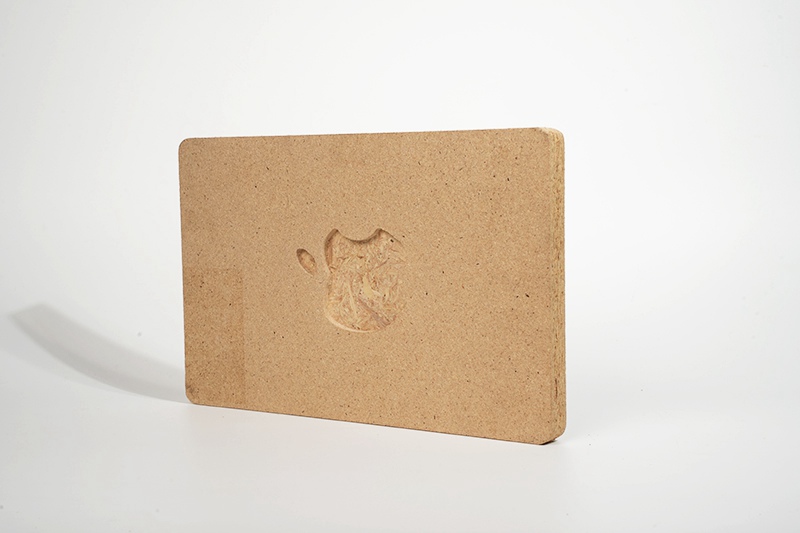
What OSB board is made of and why pet owners worry
OSB is an engineered wood panel made by compressing oriented wood strands with adhesives under heat and pressure. This structure creates strong, cost-effective boards, but it also explains pet-related concerns:
Adhesives and emissions
Like many engineered wood products, OSB uses resin binders. Some pet owners worry about indoor air quality and whether emissions could irritate sensitive animals.Chewing behavior
Dogs, puppies, rabbits, and some cats may chew corners, edges, or exposed boards. Ingesting wood fibers is not a normal diet item and can create health issues even if the material is not chemically toxic.Dust and sanding particles
Cutting or sanding OSB creates fine dust. Pets close to the work area can inhale particles or later lick dusty surfaces.Splinters and sharp strands
OSB edges can be rough. Chewing or scratching may cause gum irritation, mouth injuries, or paw splinters.
Is OSB chemically toxic to pets
For most households, the realistic risk is not that OSB is instantly poisonous. The risk is exposure level and how the board is handled.
Normal installed use
If OSB is installed as a structural panel behind finished surfaces or sealed and used as intended, it is generally considered a manageable material for indoor environments.High exposure scenarios
Risk increases when a pet has direct access to raw OSB, especially if the animal chews frequently, sleeps on unsealed boards, or is confined near freshly cut panels where dust and odors are concentrated.Sensitivity differences
Small pets and animals with respiratory sensitivity can react more strongly to odors and airborne dust than adults in well-ventilated rooms.
If your pet shows symptoms such as vomiting, drooling, coughing, wheezing, lethargy, or loss of appetite after chewing or heavy exposure, contact a veterinarian promptly.
The most common pet hazards of OSB and what they look like
1. Digestive blockage from chewing
Even when a wood product is not chemically toxic, swallowing chunks can cause obstruction. This is one of the most serious outcomes because it can require urgent medical treatment.
2. Mouth and gum irritation
Rough strands can irritate gums, tongue, or throat. Some pets will paw at their mouth or refuse food after chewing.
3. Dust inhalation during renovation
OSB dust is a mechanical irritant. Pets may sneeze, cough, or show watery eyes if they are present during cutting, sanding, or demolition.
4. Skin and paw splinters
Pets walking on rough, unfinished OSB may get small splinters, especially if they run or turn quickly.
How to make OSB pet-friendly in real projects
You can reduce risk significantly by focusing on access control, surface sealing, and responsible installation.
Keep pets away during cutting and installation
Cut OSB outdoors or in a separate ventilated area. Clean the site thoroughly before pets return.Seal exposed surfaces
If OSB will remain exposed, apply a suitable sealing system to reduce dust release and make the surface easier to clean. Sealing also reduces odor and limits moisture absorption.Cover or edge-band corners
Pets often start chewing on corners and edges. Use edge trim, corner guards, or install OSB behind finish layers.Avoid raw OSB for chew-prone pets
If your dog or rabbit chews wood routinely, do not leave OSB accessible. Choose finished, chew-resistant surfaces for the pet zone.Maintain ventilation after installation
After renovation or panel installation, ventilate the room well. This is helpful for both people and animals.
Choosing an OSB board that supports safer indoor use
Not all OSB boards are the same. For pet-related peace of mind, selection quality matters because it influences consistency, bonding, and overall panel stability.
KIM BONG WOOD OSB board is produced with a stable manufacturing approach and systematic quality control. The company operates with structured management and certifications such as ISO9001 systems, and it emphasizes consistent product quality for building and interior applications. For buyers who are planning pet-friendly spaces, supplier stability and process control are valuable because they reduce variability in boards delivered across batches.
Pet-safe use cases for OSB when applied correctly
OSB can be used around pets when the design prevents direct chewing and the surface is properly finished.
Subfloor or underlayment beneath finished flooring
Wall sheathing behind drywall or decorative panels
Storage shelving in utility rooms, sealed and edge-protected
Furniture internal frames, fully enclosed by finish materials
Temporary construction barriers placed out of pet reach
Avoid using raw OSB as a permanent exposed surface in areas where pets lick, chew, or sleep directly on it.
Pet risks and practical prevention steps
| Pet-Related Concern | Why It Happens | How to Reduce the Risk |
|---|---|---|
| Chewing and swallowing | Pets bite edges or corners out of curiosity or stress | Block access, cover edges, use chew-resistant finishes |
| Dust inhalation | Cutting or sanding creates airborne particles | Remove pets from the area, ventilate, clean thoroughly |
| Mouth irritation | Rough strands can scrape gums and tongue | Seal surfaces, avoid exposed edges, keep boards covered |
| Paw splinters | Unfinished boards can be abrasive | Sand and seal, add flooring cover, restrict rough surfaces |
| Odor sensitivity | Fresh installation can create noticeable smell | Ventilate, allow curing time, keep pets away initially |
Checklist for pet-friendly OSB projects
Plan installation when pets can be in another room or off-site.
Cut OSB away from living zones and clean dust immediately.
Seal or cover any OSB surface that remains exposed.
Add edge protection on corners and doorways.
Observe your pet for unusual behavior after renovation and contact a veterinarian if symptoms appear.
When OSB might not be the right choice for a pet area
Even high-quality OSB may not be ideal if:
Your pet is a frequent chewer.
The board must stay exposed in a kennel or pen.
The environment is humid and finishing is not planned.
The space will be cleaned with heavy water exposure that could weaken unprotected wood products over time.
In these situations, use a fully finished surface system or alternative materials designed for high-wear, direct-contact pet environments.
Conclusion
OSB board is not typically considered poison to pets in normal building use, but pets can still be harmed by chewing, splinters, dust inhalation, or excessive exposure to freshly installed materials. The safest approach is to choose a reliable OSB supplier, keep pets away during installation, seal exposed surfaces, and prevent chewing access. If you need OSB for construction or interior projects and want stable quality for consistent results, KIM BONG WOOD offers OSB board suitable for practical, controlled, and pet-aware renovation plans.