

What Size Do Plywood Sheets Come In?
If you are sourcing panels for cabinetry, built-ins, hotel furniture, retail fixtures, or residential upgrades, plywood sheet size is one of the first specifications you need to lock down. The right size affects yield, cutting plans, shipping efficiency, labor time, and final surface quality. While many buyers are familiar with the standard 4 ft by 8 ft format, plywood sheets also come in multiple regional sizes and oversize options that can reduce seams and improve production efficiency.
KIM BONG WOOD supplies multi-layer furniture board for furniture manufacturing and interior projects where stable quality, bonding strength, and consistent panel performance matter.
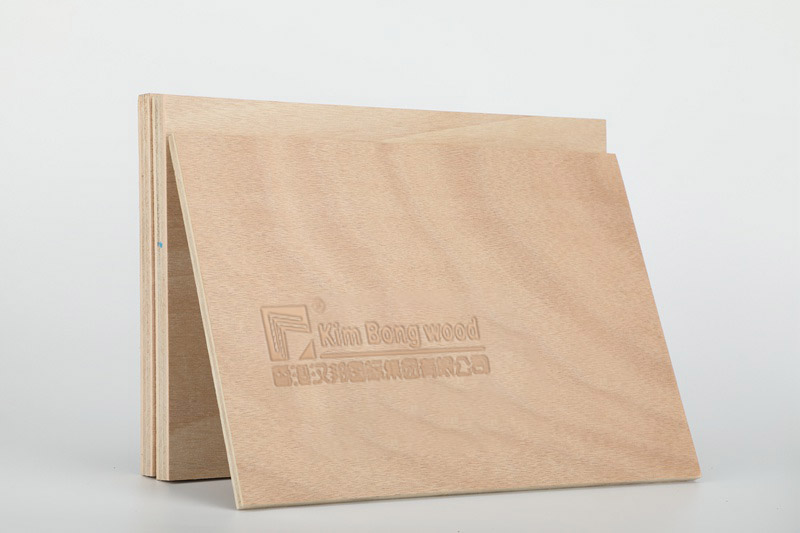
The most common plywood sheet sizes in the market
Plywood is produced in sheet formats that match building systems and manufacturing workflows. In North America, the dominant size is based on framing and module dimensions. In other regions, sheet sizes align with metric construction and furniture production standards.
Typical plywood sheet sizes you will see include:
4 ft x 8 ft
This is widely used for construction and interior applications because it suits standard stud spacing and is easy to handle on-site.4 ft x 9 ft and 4 ft x 10 ft
These longer panels are often used when designers want fewer joints on tall walls, partitions, or large furniture components.5 ft x 5 ft
Common in some markets for specific furniture and interior use cases, including modular designs and panelized fabrication.1220 mm x 2440 mm
This is the metric equivalent of 4 ft x 8 ft and is common in international purchasing.1250 mm x 2500 mm
Used in some furniture and interior production lines to improve cutting layouts or match regional standards.1525 mm x 1525 mm
A metric form similar to 5 ft x 5 ft that is common for certain applications and production systems.
When selecting size, the best choice is often the one that reduces waste for your part list, not the one that is most common in the market.
Why plywood sheet size matters for furniture and interior production
Sheet size is not just a packaging detail. It directly influences efficiency, cost, and quality.
Material yield and waste rate
A sheet size that aligns with your part dimensions reduces offcuts. Lower waste can improve total material cost, especially for high-volume furniture programs.Seam control and surface appearance
Larger sheets can reduce seams on visible surfaces, improving aesthetics for cabinet sides, wardrobe panels, feature walls, and hotel casegoods.Handling and shop throughput
Oversized sheets may reduce seams but require stronger handling systems and more cutting capacity. The best size balances labor, equipment, and finishing workflow.Shipping and container loading
Certain sizes load more efficiently into containers or trucks, reducing damage risk and improving freight cost per usable square meter.
For buyers using KIM BONG WOOD Multi-layer Furniture Board, choosing the right sheet format can support stable production and more predictable finishing performance in demanding furniture applications.
Common plywood thickness options and how they relate to sheet size
Sheet size and thickness are ordered together because they affect weight, stiffness, and application suitability. For furniture boards, thickness selection often follows structural needs and hardware requirements.
Common plywood thicknesses include:
6 mm and 9 mm for back panels, drawer bottoms, light partitions, and curved work
12 mm and 15 mm for cabinet components, shelving, and furniture frames
18 mm for case sides, high-strength shelves, and heavy-duty furniture structures
21 mm and above for high-load flooring underlayment, special structures, and industrial builds
Thickness influences screw-holding, hinge mounting stability, and long-term performance under repeated daily use, which is a key reason multi-layer furniture boards are selected for commercial furniture programs.
Table: Typical plywood sheet sizes and where they are used
| Sheet Size | Metric Equivalent | Common Use Cases |
|---|---|---|
| 4 ft x 8 ft | 1220 x 2440 mm | Cabinets, wall panels, general furniture parts, construction |
| 4 ft x 9 ft | 1220 x 2745 mm | Tall partitions, wardrobes, fewer seams on vertical panels |
| 4 ft x 10 ft | 1220 x 3050 mm | Feature walls, hotel millwork, large built-ins |
| 5 ft x 5 ft | 1525 x 1525 mm | Modular furniture layouts, panel systems in some regions |
| 1250 x 2500 mm | 1250 x 2500 mm | Furniture production lines, regional standards, optimized nesting |
| 1525 x 1525 mm | 1525 x 1525 mm | Similar to 5 x 5 use cases in metric markets |
Use cases vary by market and project type, but the general principle is consistent: size should match your cut list, finishing plan, and installation conditions.
How to choose the best plywood sheet size for your project
A practical way to choose is to begin with your part list and production reality. The best plywood size reduces waste while staying easy to handle and finish.
Consider these decision points:
Part dimensions and nesting plan
If your cabinet sides are tall or your panels are long, longer sheets can reduce joins and simplify assembly.Handling limits in your shop or on-site
If you do not have panel saws, lifting systems, or sufficient labor, oversized sheets can slow down work even if they reduce seams.Finish requirements and surface quality expectations
For furniture-grade applications, consistent surface and stable bonding matter because laminates, veneers, and coatings highlight defects.Hardware and load requirements
Shelves and case sides often need thicker boards, which makes large sheets heavier. Confirm your handling and packaging approach.
KIM BONG WOOD’s multi-layer furniture board is designed for furniture manufacturing needs where structure and consistent performance support reliable fabrication and finishing.
Why multi-layer furniture board is a strong choice when sheet size is fixed
Many buyers must work with a specific sheet size due to local supply, equipment, or container planning. In that case, material quality becomes the key lever for improving outcomes.
Multi-layer furniture board offers practical benefits:
Stable structure for furniture frames and case components
Reliable bonding for machining, edge processing, and assembly
Consistency that helps reduce rework in lamination and finishing lines
Better predictability for screw holding and hardware mounting when panels are properly specified
For projects that prioritize repeatable results, KIM BONG WOOD provides multi-layer furniture board suitable for furniture production and interior construction workflows.
Conclusion
Plywood sheets commonly come in 4 ft x 8 ft formats, but there are many other sizes such as 4 ft x 9 ft, 4 ft x 10 ft, 5 ft x 5 ft, and widely used metric formats like 1220 x 2440 mm and 1250 x 2500 mm. The best sheet size is the one that reduces waste, improves seam control, and fits your handling and production capacity. If you are sourcing boards for furniture and interior builds where consistency matters, KIM BONG WOOD multi-layer furniture board supports stable production and reliable performance across common plywood sheet sizes.
Previous: How Many Sheets Of Plywood Do I Need?