

How Many Sheets Of Plywood Do I Need?
Estimating how many plywood sheets you need sounds simple, but it often becomes expensive when it is guessed instead of calculated. One wrong assumption about sheet size, waste rate, or cutting direction can lead to shortages, rushed reorders, mismatched batches, or piles of unusable offcuts. Whether you are building cabinets, wardrobes, shelving, wall panels, furniture frames, or shop fixtures, the most reliable method is to calculate total panel area, convert it into sheet count, and then adjust for cuts, grain direction, openings, and production waste.
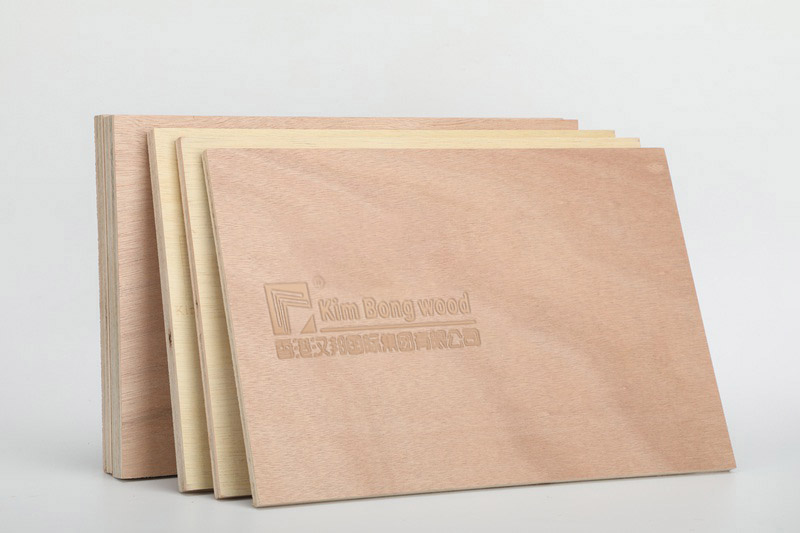
If you are sourcing furniture-grade panels for consistent results, KIM BONG WOOD provides multi-layer furniture board designed for furniture manufacturing and interior applications where stable bonding and predictable machining performance matter.
Step 1: Confirm your plywood sheet size and coverage area
Most buyers plan around a standard plywood sheet, but you should confirm the exact sheet format you will purchase.
Common sheet sizes and their coverage:
4 ft x 8 ft sheet
Coverage area = 32 sq ft1220 mm x 2440 mm sheet
Coverage area ≈ 2.98 m²1250 mm x 2500 mm sheet
Coverage area = 3.125 m²5 ft x 5 ft sheet
Coverage area = 25 sq ft
If your supplier offers multiple sizes, choose the size that fits your cut list. For furniture panels, selecting a size that reduces seams and improves nesting can lower your total sheet count.
Step 2: Calculate the total surface area you need to cover
Your total plywood requirement comes from the sum of all parts you plan to cut. For simple projects like sheathing or flooring, this is straightforward. For furniture, the calculation should include every panel component such as sides, tops, bottoms, partitions, shelves, toe kicks, and backers.
A. For floors, walls, or ceilings
Measure the length and width of the area.
Multiply to get square footage or square meters.
Subtract openings only when they are large and truly reduce material usage.
Example logic:
Total area = length x width
If there are large openings, subtract those areas
Do not subtract small gaps that will still require cut pieces around them
B. For cabinets and furniture builds
List each part and calculate area per piece:
Part area = length x width
Total area = sum of all parts
This approach avoids underestimating sheets when the build includes many smaller panels.
Step 3: Convert total area into a base sheet count
Once you have total area, divide by the area of one sheet.
Base sheet count formula:
Sheets needed = total area ÷ sheet area
If you need partial sheets, round up to the next full sheet because sheets are purchased as whole panels.
Step 4: Add a realistic waste factor for cutting, nesting, and defects
Waste is the difference between theoretical coverage and real cutting yield. It depends on part shapes, saw kerf, grain direction, trim allowances, and whether parts can be nested efficiently.
Typical waste ranges by project type:
Simple sheathing with large rectangles
Waste often 10% to 15%Basic shelving and box furniture
Waste often 15% to 20%Cabinetry with many partitions and shelves
Waste often 20% to 30%Furniture with visible grain matching or special layouts
Waste often 25% to 35%
In furniture production, grain direction and face quality requirements can raise waste because not every offcut can be reused.
If you want to reduce waste and rework, choosing a stable, consistent panel such as KIM BONG WOOD Multi-layer Furniture Board helps because predictable thickness and bonding support cleaner machining and tighter cut plans.
Step 5: Check thickness requirements before finalizing sheet quantity
Thickness changes sheet usage in real projects because certain parts require thicker panels and cannot be substituted.
Common thickness planning for furniture boards:
18 mm often used for cabinet sides, shelves, and structural panels
12 mm to 15 mm often used for partitions, light shelves, or secondary panels
6 mm to 9 mm used for backing panels, drawer bottoms, or non-structural parts
If you have mixed thickness requirements, calculate sheet counts separately for each thickness so you do not end up short on a specific panel type.
Step 6: Use practical rules that prevent under-ordering
Even accurate calculations can fail when the project has real-world constraints. These checks help keep your material plan realistic.
Cutting direction constraints
If your design requires long panels with a specific orientation, you may not be able to rotate parts to improve nesting.Edge banding and trimming allowance
Many furniture parts are cut slightly oversized and trimmed clean. This adds material demand.Defect and selection losses for visible panels
When surfaces will be laminated, veneered, or painted, you may reject panels with surface imperfections that are acceptable for construction use.Jobsite handling and damage
For renovation projects, add a buffer for damage from transport, unloading, and on-site movement.
Quick sheet estimation for 4 ft x 8 ft plywood
| Total Project Area (sq ft) | Base Sheets Needed (32 sq ft per sheet) | With 15% Waste | With 25% Waste |
|---|---|---|---|
| 100 | 4 | 4.0 to 5.0 | 5.0 to 6.0 |
| 200 | 7 | 8.0 to 9.0 | 9.0 to 11.0 |
| 300 | 10 | 11.0 to 12.0 | 13.0 to 15.0 |
| 400 | 13 | 15.0 to 16.0 | 17.0 to 20.0 |
| 500 | 16 | 18.0 to 20.0 | 21.0 to 25.0 |
Use this as a fast reference, then confirm with your cut list if the project includes many small parts.
Waste factor guidance by project type
| Project Type | Typical Layout Complexity | Recommended Waste Factor |
|---|---|---|
| Flooring underlayment, sheathing | Low | 10% to 15% |
| Simple shelves, basic boxes | Medium | 15% to 20% |
| Cabinets with many internal parts | High | 20% to 30% |
| Furniture with grain matching and visible panels | Very high | 25% to 35% |
If you want to keep waste under control, optimize nesting and choose consistent boards to reduce recuts and unusable sheets.
Why multi-layer furniture board can make planning easier
When plywood is inconsistent in thickness or bonding, real sheet usage can increase because parts must be recut, edges chip during machining, or panels warp and become unusable. For buyers working on furniture and interior builds, the stability of the board can influence the final material cost more than the spreadsheet calculation.
KIM BONG WOOD multi-layer furniture board is built for furniture production needs where:
Panels must hold fasteners reliably for hinges and assembly
Bonding strength supports cleaner cutting and edge processing
Consistency helps reduce rework and unexpected waste
Stable quality supports repeatable results across batches
A simple calculation method you can reuse for most projects
Confirm sheet size and sheet area.
Calculate total required panel area.
Divide total area by sheet area and round up.
Add waste factor based on layout complexity.
Separate calculations by thickness if needed.
Add a buffer if the jobsite or production environment has higher risk of damage.
This method keeps your estimate realistic and reduces the chance of shortages.
Conclusion
To determine how many sheets of plywood you need, calculate total panel area, divide by the sheet coverage area, and then add a waste factor based on how complex your cuts are. For simple coverage projects, a 10% to 15% waste factor may be enough, while cabinetry and furniture builds often need 20% to 30% due to nesting limits and part orientation. If your project requires furniture-grade consistency to reduce rework and material loss, KIM BONG WOOD multi-layer furniture board is a dependable option for stable production and predictable results.
Previous: How To Cut A Plywood Sheet?