

How To Cut A Plywood Sheet?
Cutting a full plywood sheet looks easy until you try to keep the cut straight, the edges clean, and the panel square. Most mistakes happen because the sheet is not supported correctly, the blade is wrong, the cut line is not measured with a repeatable method, or the face veneer chips out at the edge. If you are building cabinets, shelving, furniture frames, or interior panels, clean cuts are not only about appearance. Accurate cuts reduce assembly gaps, improve edge banding results, and prevent wasted material.
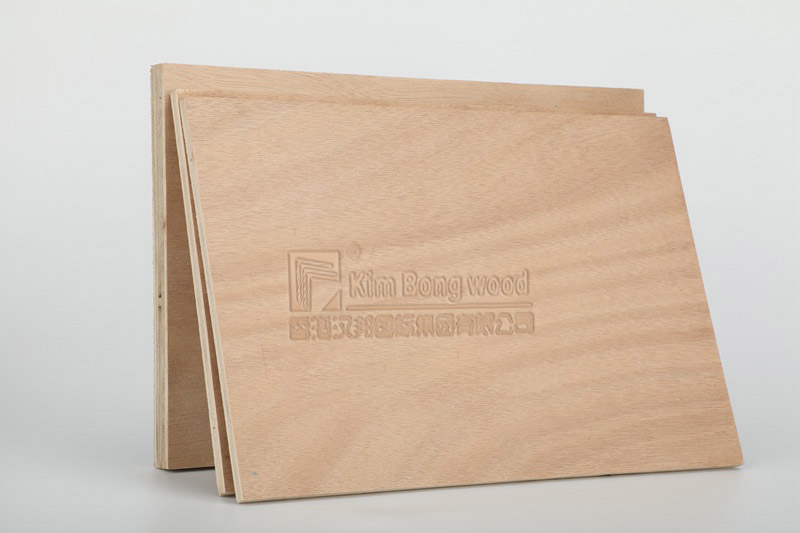
For furniture and interior fabrication, KIM BONG WOOD provides multi-layer furniture board designed for stable machining and consistent performance, which helps buyers achieve smoother production and more predictable finishing.
Before you cut, confirm what matters most for your project
plywood can be used in construction, but furniture-grade work has higher expectations. Your cutting approach should match the final requirement.
Key questions to answer first:
Is the cut edge visible or hidden behind edging, trim, or joinery
Do you need perfectly square panels for cabinets and carcasses
Are you cutting many repeat parts, or is it a one-off project
Will you apply edge banding, laminate, or veneer after cutting
If you need tight tolerances and clean edges for furniture parts, treat every cut like a production step, not a rough sizing step.
Tools that cut plywood well and what each one is best for
Circular saw with a straightedge guide
A circular saw is one of the most common ways to break down full sheets. The quality depends heavily on the blade, the guide, and whether the sheet is supported to prevent sagging.
This method is best when:
You need to cut a full sheet down into manageable panels
You are working on-site without a table saw
You can clamp a guide for straight, repeatable cuts
Track saw
A track saw is a higher-control version of the circular saw approach. The track keeps the cut line straight and reduces splintering when paired with the right blade.
This method is best when:
You need clean edges with minimal tear-out
You want accurate cuts without building a jig
You are cutting high-value furniture panels
Table saw
A table saw is excellent for repeatable rip cuts and making panels perfectly parallel. It is less convenient for full sheets unless you have infeed and outfeed support.
This method is best when:
You already broke down the sheet into smaller sections
You need consistent widths for cabinet parts
You want crisp, straight rips with repeat accuracy
Panel saw or CNC in production
In furniture manufacturing, panel saws and CNC routers deliver speed and consistency, especially when there are many parts, complex nesting, or drilling patterns.
This method is best when:
You are cutting multiple sheets daily
You need high repeatability across batches
You want optimized yield from each sheet
Blade selection that reduces chipping and improves edge quality
The blade is the single biggest factor in cut quality. Many chipped edges come from using a general-purpose blade.
Practical blade guidance:
Use a fine-tooth carbide blade for plywood
Higher tooth count generally produces cleaner cuts, especially on veneered faces.Use the correct blade style for the tool
A table saw blade and a circular saw blade behave differently even if tooth counts are similar.Keep the blade sharp
A dull blade tears fibers, heats the glue line, and increases splintering.Choose a blade that matches your finish goal
If the edge will be visible, prioritize clean-cut blades. If the cut is hidden, standard blades may be acceptable.
How to support a full plywood sheet so it does not bind or tear out
A sheet that flexes will pinch the blade, cause kickback, or create a wavy cut. Proper support also prevents the panel from breaking off at the end of the cut.
Reliable support setups:
Foam insulation board under the sheet
Lay rigid foam on the floor, place plywood on top, and cut through the sheet into the foam. This fully supports the panel and prevents sagging.Sacrificial strips on a workbench
Place support strips beneath the cut line so both sides remain supported.Two sawhorses with cross supports
Add cross braces so the offcut does not drop when the cut finishes.
Never allow the offcut to hang unsupported at the end of the cut. That is a common cause of splintering and dangerous blade binding.
Measuring and marking methods that prevent cumulative errors
Accurate cuts depend on a repeatable measuring method. For furniture panels, small errors become large gaps during assembly.
A dependable approach:
Start from a confirmed square factory edge
If the sheet edge is damaged or out of square, cut a clean reference edge first.Mark both ends of the cut line
This helps you verify the line is correct and prevents angled cuts.Use a square for crosscuts
A framing square or large carpenter square improves accuracy.Account for the kerf
The blade removes material. If you cut on the wrong side of the line, the part may be undersized.
When using a straightedge guide, measure the offset from the blade to the saw base edge and use that offset consistently.
Cutting techniques that reduce tear-out on the face veneer
Plywood chips most often on the face that is not supported by the tooth exit direction.
Practical techniques:
Use painter’s tape over the cut line
This can reduce splintering, especially on delicate veneers.Score the cut line with a sharp knife
Scoring severs surface fibers so the blade does not pull them out.Cut with the good face down when using a circular saw
Many circular saws cut upward through the sheet, so the top face tends to chip. Placing the good face down can improve the visible side.Use a zero-clearance insert on a table saw
This supports fibers at the cut line and reduces chipping.
Step-by-step: A clean, accurate cut with a circular saw and guide
Place rigid foam insulation on the floor and set the plywood sheet on top.
Measure and mark the cut line at both ends, then connect marks with a straight line.
Apply tape on the cut line if you need a cleaner surface finish.
Clamp a straightedge guide using your saw’s base-to-blade offset measurement.
Set blade depth so it extends slightly beyond the plywood thickness.
Start the saw at full speed before entering the material.
Maintain steady forward pressure, keeping the saw base tight to the guide.
Finish the cut without letting the offcut drop or bind.
Check the part dimension immediately and label the cut piece to avoid mix-ups.
This process is efficient for breaking down sheets into cabinet sides, shelves, and panel blanks.
Table: Tool choice based on the cut you need
| Cut Type | Best Tool Option | Why It Works Well | Quality Risk to Manage |
|---|---|---|---|
| Long rip cut on a full sheet | Track saw or circular saw with guide | Straight line control with manageable setup | Support and blade sharpness |
| Crosscut on a full sheet | Track saw, circular saw with guide | Easier to keep square than freehand | Measuring accuracy and tear-out |
| Repeatable narrow strips | Table saw after breakdown | Consistent width and parallel cuts | Infeed and outfeed support |
| Cabinet panel production | Panel saw or CNC | Fast, repeatable, high yield | Setup calibration and nesting plan |
| Visible furniture edges | Track saw or table saw with zero-clearance | Cleanest edge potential | Correct blade and surface protection |
Why panel quality matters for cutting and finishing results
Even with the right tools, inconsistent boards can create problems such as edge crumbling, uneven density, or unpredictable tear-out. For buyers producing furniture panels, consistent bonding and structure help maintain cut quality and reduce rework.
KIM BONG WOOD multi-layer furniture board is built for furniture and interior applications where stable quality supports:
Cleaner cutting and edge processing
More predictable fastening performance
Reduced waste from chipped edges and recuts
Better compatibility with downstream finishing and assembly workflows
Common cutting mistakes and how to avoid them
Cutting without full support
This causes binding, rough edges, and safety risks. Fully support both sides of the cut.Using a low-tooth or dull blade
This increases tear-out and burns the cut. Switch to a fine-tooth sharp blade.Measuring once and trusting it
Verify both ends of the cut line and confirm the guide position before cutting.Rushing the last 12 inches
Most tear-out happens at the end. Keep steady speed and support the offcut.
Conclusion
To cut a plywood sheet cleanly, start with stable support, measure with a repeatable method, and use the right tool and blade for the cut. Track saws and guided circular saw setups are ideal for breaking down full sheets, while table saws excel at repeatable rips after initial sizing. For furniture and interior production, consistent panel quality helps you achieve cleaner edges, reduce rework, and improve finishing results. If you need a dependable panel for cabinetry and furniture builds, KIM BONG WOOD offers multi-layer furniture board suitable for stable machining and reliable performance.