

How Much Does A Sheet Of Plywood Weigh?
A sheet of plywood does not have one fixed weight. The weight depends on the sheet size, thickness, wood species and veneer mix, core structure, resin content, moisture level at the time of shipment, and whether the panel includes overlays such as film faces or decorative laminates. That is why two sheets that look similar can feel very different when carried on-site.
For purchasing, installation planning, shipping cost control, and jobsite handling safety, the best approach is to estimate plywood weight using a simple volume-and-density method, then apply realistic ranges for the plywood category you are sourcing. This guide explains those ranges, provides easy reference tables for common sheet sizes, and shows how to estimate weight for non-standard panels. Product options and plywood categories can be reviewed here: plywood products
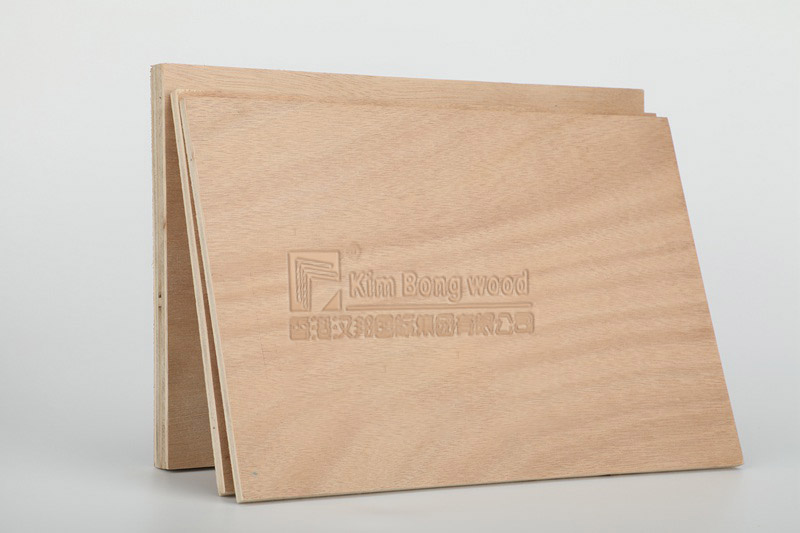
I. The Fast Way to Estimate Plywood Weight
Plywood weight is essentially:
Weight = Volume × Density
To use it, you only need the sheet size and thickness. Density varies by plywood type, but for planning purposes it is reasonable to use ranges rather than one exact number.
Volume for a sheet is: length × width × thickness
If you use feet and inches: thickness in inches divided by 12 gives thickness in feet
A 4 ft × 8 ft sheet has an area of 32 ft².
So the volume is 32 × (thickness in inches ÷ 12).
Once you have volume, multiply by a density range:
Typical softwood plywood often falls around 34 to 41 lb/ft³
Typical hardwood plywood often falls around 42 to 50 lb/ft³
Those ranges are intentionally broad because plywood cores and adhesives differ across grades and suppliers. For shipping plans, using a range is more realistic than assuming a single number.
II. Typical Weight of a 4×8 Sheet by Thickness
Most buyers asking how much a sheet weighs are referring to the standard 4×8 ft format. The table below shows practical ranges for softwood plywood and hardwood plywood in common thicknesses.
4×8 ft plywood weight reference
| Thickness | Softwood plywood | Hardwood plywood |
|---|---|---|
| 1/4 in (6 mm) | 23 to 27 lb (10.4 to 12.4 kg) | 28 to 33 lb (12.7 to 15.1 kg) |
| 3/8 in (9 mm) | 34 to 41 lb (15.4 to 18.6 kg) | 42 to 50 lb (19.1 to 22.7 kg) |
| 1/2 in (12 mm) | 45 to 55 lb (20.6 to 24.8 kg) | 56 to 67 lb (25.4 to 30.2 kg) |
| 5/8 in (16 mm) | 57 to 68 lb (25.7 to 31.0 kg) | 70 to 83 lb (31.8 to 37.8 kg) |
| 3/4 in (18 mm) | 68 to 82 lb (30.8 to 37.2 kg) | 84 to 100 lb (38.1 to 45.4 kg) |
| 1 in (25 mm) | 91 to 109 lb (41.1 to 49.6 kg) | 112 to 133 lb (50.8 to 60.5 kg) |
These numbers are useful for planning handling and transportation, but actual weights can move outside the band when the panel includes special cores, higher resin content, thicker overlays, or elevated moisture.
III. Why Plywood Weight Varies So Much
Two plywood sheets of the same size and thickness can differ by several pounds, and sometimes by more, for reasons that matter in real procurement.
Wood species and veneer mix
Softwood and hardwood species have different densities. Even within each group, density varies. Some cores are made from lighter species to improve handling and cost efficiency, while others use denser species for higher strength and screw holding.
Core construction
Plywood may use veneer core, combination core, or other engineered core strategies. A tighter, denser core usually weighs more but often improves stiffness and fastener performance.
Resin and glue line content
Bonding systems add mass. Panels designed for higher moisture resistance often require different resin systems and controlled pressing, which can slightly increase weight.
Moisture content at shipment
Wood carries water. If the panel is stored in a humid environment or shipped through high-humidity routes without proper protection, weight can increase temporarily. More importantly, moisture inconsistency can influence flatness and stability at installation.
Overlays and faces
Film-faced plywood, decorative laminates, and thick face veneers add weight. A film overlay may not seem heavy, but across a 4×8 surface it adds measurable mass and also changes how the sheet feels when carried because the surface is stiffer.
IV. Quick Weight Estimates for Other Sheet Sizes
Many projects use non-4×8 formats such as 5×5, 4×9, or cut-to-size panels. The fastest way to estimate is to scale by area.
A simple rule:
If two sheets share the same thickness and density, weight scales with area
For example, if a 4×8 sheet is 32 ft²:
A 5×5 sheet is 25 ft², so it weighs about 25/32 of the 4×8 sheet
A 4×10 sheet is 40 ft², so it weighs about 40/32 times the 4×8 sheet
This is helpful for logistics planning when you know the 4×8 reference but are ordering other sizes from the same plywood specification.
V. What Outdoor and Specialty Plywood Usually Means for Weight
When the application changes, the plywood build often changes too, and weight can shift.
Film faced plywood
Film overlays and phenolic surfaces can add weight and typically increase stiffness. These panels also feel heavier because they are often used in thicker formats.
Marine and moisture-resistant plywood
Panels built for wet or exterior environments can carry different resin systems and stricter pressing controls. The weight change is not always dramatic, but these panels are often specified thicker, which increases total mass quickly.
Cabinet and furniture plywood
Hardwood-faced panels may use denser cores or higher-grade veneers. The aesthetic upgrade often comes with a weight increase compared with light construction-grade softwood panels.
If the project has strict weight constraints, it is better to specify the plywood type and target density range early, rather than discovering a handling issue after the order arrives.
VI. Practical Handling and Shipping Notes Buyers Often Miss
Weight is not only a number. It affects labor, safety, packaging decisions, and damage risk.
1、Manual handling and jobsite safety
A 3/4 in 4×8 hardwood sheet can approach 100 lb. That often requires two-person handling or mechanical assistance depending on jobsite rules. Planning for this prevents delays and accidents.
2、Palletization and container loading
Heavier panels increase the risk of corner damage if strapping and edge protection are not designed correctly. Proper packaging becomes more important as thickness and density rise.
3、Moisture protection during transit
Even if moisture does not permanently increase weight, it can affect flatness and surface condition. Protective packaging and stable warehousing reduce surprises at installation.
For contractors and importers, having a supplier that can maintain consistent specifications, provide clear thickness and core options, and package for export stability reduces hidden costs in the supply chain.
KIM BONG WOOD provides a range of plywood categories and specifications suitable for different project needs, supporting buyers who need stable quality and clear product selection from one source. Product ranges can be reviewed here: plywood products
Conclusion
A sheet of plywood can weigh anywhere from roughly the low 20 lb range for thin softwood panels to around 100 lb or more for thick hardwood panels in the standard 4×8 ft size. The most accurate way to plan is to estimate weight using volume and a realistic density range, then adjust for overlays, core structure, and moisture conditions. With the right specification approach, plywood weight becomes predictable, which improves shipping planning, jobsite handling, and overall project efficiency.
Previous: How Are Plywood Sheets Made?