

How Are Plywood Sheets Made?
plywood is engineered to be stronger and more stable than a single solid-wood board of the same thickness. The reason is the way it is built: thin wood veneers are stacked with alternating grain direction and bonded under heat and pressure. That cross-laminated structure reduces warping, improves panel stiffness, and creates predictable performance for construction, furniture, cabinetry, packaging, and formwork applications.
Understanding how plywood sheets are made helps buyers choose the right specification, compare quality fairly, and avoid common issues such as delamination, core gaps, thickness inconsistency, and surface defects. This guide explains the full manufacturing flow from log preparation to final inspection, then connects each step to real product performance. For plywood categories, specifications and more details, please check here: plywood products
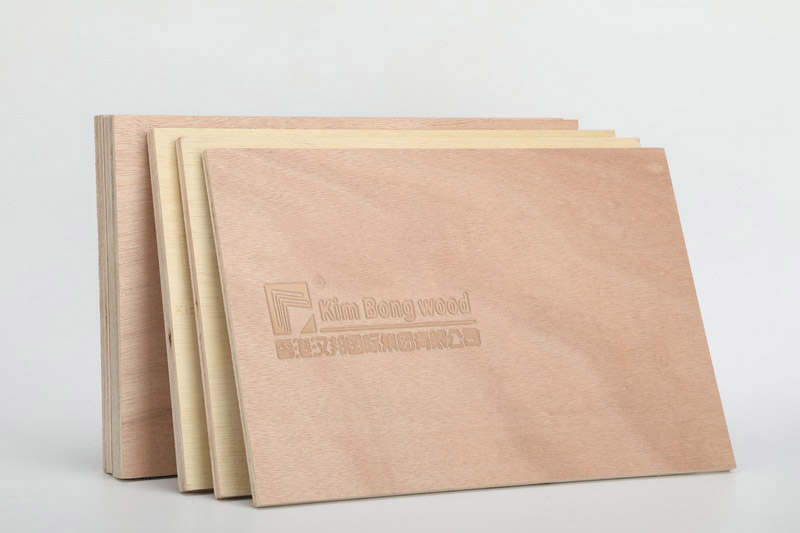
I. Log Selection and Conditioning
plywood quality begins before any cutting happens. Manufacturers select logs based on species, diameter, straightness, and internal defects. The goal is to produce veneers with consistent thickness and minimal splits, because veneer quality directly affects panel strength and surface appearance.
After selection, logs are conditioned to make peeling smoother and reduce veneer cracking. Conditioning typically involves soaking or steaming to soften the wood fibers. This step is especially important for maintaining veneer continuity, which helps later bonding and reduces waste. When conditioning is controlled well, the resulting veneers peel more evenly and the finished plywood tends to have better flatness.
At this early stage, buyers should understand that species and conditioning influence density, stiffness, and surface tone. That is why plywood made for furniture surfaces may start with different log standards than plywood made for structural use.
II. Veneer Peeling and Clipping
Most plywood veneers are produced using rotary peeling. The log is mounted on a lathe and peeled into a continuous veneer sheet, similar to unrolling paper. Rotary veneer is efficient and supports consistent production at scale. After peeling, the veneer is clipped into usable widths and lengths based on the target sheet size and downstream layup method.
Veneer thickness is a critical parameter. If veneer thickness varies too much, the finished panel can show thickness inconsistency and local weak zones. High-quality production controls peeling speed, knife condition, and lathe settings to keep veneers within tight tolerances.
Veneers are also sorted by appearance grade and defect level. Higher-grade face veneers are reserved for surfaces where appearance matters, while core veneers may allow more natural variation. Sorting is a major factor behind consistent panel quality because it determines where knots, patches, and mineral streaks appear within the sheet structure.
III. Drying and Moisture Control
Fresh veneers contain significant moisture. Before bonding, veneers must be dried to a target moisture range so the adhesive cures correctly and the panel remains dimensionally stable. Veneer dryers remove moisture through controlled heat and airflow.
Moisture control is not only about preventing wet panels. If veneers are over-dried, they can become brittle and crack during layup, or absorb adhesive unevenly. If veneers are under-dried, the adhesive may not cure properly, increasing the risk of delamination. Good moisture management also improves sheet flatness because balanced moisture across layers reduces internal stress.
For international shipments, moisture discipline matters even more. Panels that are produced and packed with stable moisture targets are less likely to warp after long transit, climate changes, or warehouse storage.
IV. Layup and Grain Orientation
The defining feature of plywood is cross-lamination. Veneers are stacked so the grain direction alternates by layer, typically at 90 degrees. This creates a panel that is strong in both directions and less prone to splitting along one grain line.
Layup is where the final panel structure is determined. The manufacturer decides:
Number of plies based on thickness and performance requirements
Core construction strategy, such as veneer core or combination layups
Face and back veneer grades based on appearance needs
Symmetry of the layup to reduce warping, meaning the structure is balanced around the centerline
Core gaps are also managed here. Veneer defects and missing sections in the core can create weak areas and reduce screw holding. Good layup practices minimize voids by selecting appropriate core veneers, arranging them intelligently, and patching when necessary.
V. Gluing, Pre-Press, and Hot Press
Adhesive bonding is the heart of plywood manufacturing. Glue is applied between veneer layers in a controlled spread rate. Too little glue can reduce bond strength, while too much can cause squeeze-out, uneven thickness, and unnecessary weight.
After gluing, the panel stack is often pre-pressed. Pre-pressing consolidates the layup, improves contact between layers, and reduces shifting before hot pressing. The main bonding happens in the hot press, where heat and pressure activate the adhesive and cure the bond through the full panel.
Press parameters drive real-world performance. Time, temperature, and pressure must match adhesive type, veneer moisture, and panel thickness. If the press cycle is incorrect, the sheet may look fine initially but fail later through delamination, bubbling, or weak glue lines.
In practice, different plywood categories use different bonding approaches. Exterior and wet-area applications typically require bonding systems designed for moisture resistance. Furniture and interior panels may prioritize surface quality and machining performance.
VI. Trimming, Sanding, and Surface Finishing
After pressing, panels are trimmed to final size and squared to ensure accurate dimensions for installation and fabrication. Trimming accuracy is important for downstream cutting optimization and for minimizing waste on job sites.
Sanding improves thickness uniformity and surface smoothness. For furniture and decorative panels, sanding quality affects lamination appearance, paintability, and veneer consistency. Poor sanding can cause thin spots that expose glue lines or core veneers, which is especially noticeable on light finishes.
Some plywood products include additional surface treatments or overlays, such as film faces for formwork or decorative laminates for furniture panels. These treatments affect abrasion resistance, water repellency, and cleaning behavior. They also change how panels handle machining, so accurate product selection is essential.
For buyers evaluating categories and surface options, a clear product range helps match the plywood to the application rather than forcing one panel type into all uses. You can compare plywood categories here: plywood products
VII. Quality Inspection and What It Means in Real Use
Quality control in plywood manufacturing is not a single final check. It is a sequence of controls that prevent common failures. Buyers often see only the surface, but performance depends on internal structure and bonding discipline.
A practical way to understand inspection is to connect each stage to a risk it prevents:
| Production stage | Main purpose | Problems it helps prevent |
|---|---|---|
| Veneer peeling control | Keep veneer thickness consistent | Weak zones, uneven thickness, unstable panels |
| Veneer drying control | Achieve target moisture level | Delamination, warping, brittle cracking |
| Layup discipline | Balance the panel structure | Cupping, twisting, uneven strength |
| Glue spread control | Maintain stable bond lines | Glue starvation, excessive squeeze-out, bubbling |
| Hot press control | Cure adhesive fully | Delamination, bond failure under load or humidity |
| Sanding and trimming | Uniform thickness and size | Fit issues, surface defects, veneer breakthrough |
| Final inspection | Grade and pack consistently | Mixed quality in one batch, return risk |
In sourcing, consistency across batches is as important as a single sheet passing inspection. Consistent ply count, thickness tolerance, core quality, and surface grade reduce downstream labor costs and improve reliability in fabrication and installation.
VIII. How Manufacturing Choices Affect Application Performance
Plywood is often purchased by thickness and sheet size first, but manufacturing decisions determine whether the panel performs well in the intended job.
For structural use, buyers usually care most about stiffness, screw holding, and stability under load. That performance comes from controlled layup, strong bonding, and minimized core voids. For cabinetry and furniture, surface quality, machining behavior, and consistent thickness become equally important, because poor thickness control shows up in edge banding, door alignment, and joinery fit.
For packaging and industrial use, buyers often prioritize cost stability and predictable weight, but still need bonding and moisture control to prevent panel failure during transit. For formwork and wet-area use, bonding system and surface treatment become critical, because repeated exposure to water and abrasion stresses the sheet.
A supplier that offers multiple plywood categories and clear selection paths makes it easier for buyers to match the panel to the job rather than over-specifying or under-specifying. KIM BONG WOOD provides plywood product options across different application needs; you can review categories and specifications here: plywood products
Conclusion
Plywood sheets are made by peeling logs into veneers, drying them to controlled moisture levels, stacking them with alternating grain direction, applying adhesive, and bonding the panel under heat and pressure. The finished sheet is then trimmed, sanded, and graded for its target application. Every stage matters because plywood performance depends on internal bonding and structural balance, not only on what the surface looks like.
When you understand the manufacturing flow, you can evaluate plywood more confidently, specify the right panel for your use case, and reduce risks such as delamination, warping, and inconsistent thickness. For plywood categories and product options suitable for different applications, please visit: plywood products