

Are Plywood Sheets Waterproof?
plywood sheets are not automatically waterproof. Standard plywood is made from real wood veneers, so it can absorb water, swell, and gradually lose strength if it stays wet. What plywood can be is water-resistant, moisture-resistant, or built for repeated wet exposure, depending on the glue system, core quality, veneer selection, and any surface overlays or edge sealing. In other words, plywood performance in wet conditions is a specification question, not a yes-or-no material label.
This article explains what waterproof means in real projects, which plywood types handle moisture best, what failures look like when the wrong panel is used, and how to select plywood that matches outdoor, bathroom, kitchen, formwork, or marine-adjacent needs. For product categories and specifications, refer to: plywood products.
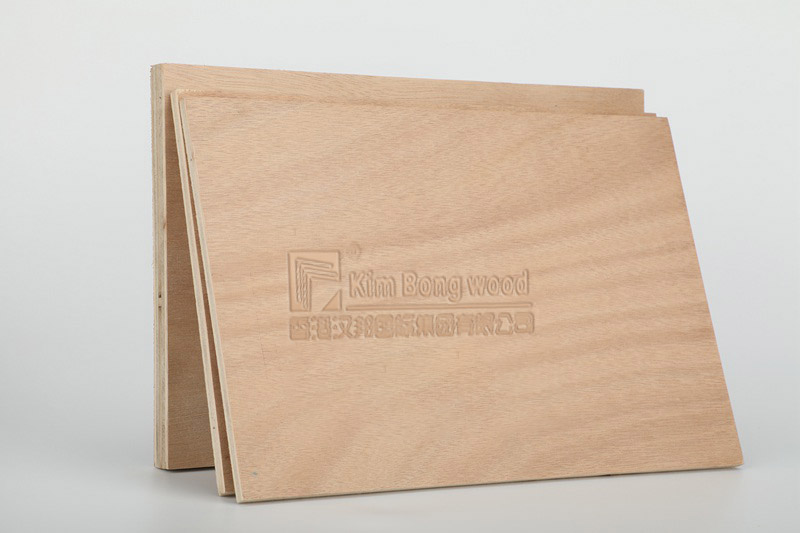
I. What Waterproof Means in Real Use
In building and fabrication, waterproof usually implies that a panel can be exposed to water without losing bond integrity, without significant swelling, and without surface breakdown. True waterproof performance is rare for wood-based panels unless the product is engineered and protected as a system. Even the best plywood is still wood, which means it can take on moisture through faces, edges, fastener holes, and cut surfaces.
A more accurate way to think about plywood is to separate three conditions:
1、Occasional moisture
This includes brief wetting, splash, and humidity changes, such as interior flooring underlayment or sheltered exterior trim that dries quickly.
2、Repeated wetting and drying
This includes outdoor construction panels, sheltered exterior sheathing, and many construction-site conditions where the panel gets wet but also has a chance to dry.
3、Continuous or standing water exposure
This includes constantly wet environments, ponding water, or direct water immersion. Wood panels are generally not suitable for this unless fully protected and detailed correctly, and even then the system design matters more than the sheet alone.
Understanding which condition you have is the fastest way to choose the right plywood and avoid costly failures.
II. Why Standard Plywood Is Not Waterproof
Standard interior plywood can fail in wet conditions for two main reasons: the wood fibers swell, and the adhesive bond can weaken if it is not designed for moisture exposure. Swelling typically shows up first along edges and end grain. The sheet becomes thicker, the surface texture changes, and layers can start to telegraph through the face veneer.
Bond failure is more serious. When moisture migrates into the panel and the glue line is not designed for it, the plies can separate over time. This is delamination. It may start as a small bubble or soft spot, then expand as the sheet continues to cycle between wet and dry.
Even if the glue is strong, core quality still matters. If the core has voids or inconsistent veneers, water can move internally and concentrate stress around weak zones. That is why two sheets with the same thickness can perform very differently outdoors.
III. Plywood Types and How They Handle Water
Plywood categories often sound similar, but they are built for different exposure levels. The table below summarizes how common plywood types typically behave when water is involved.
| Plywood type | What it is designed for | Water performance | Typical risk if misused |
|---|---|---|---|
| Interior plywood | Dry indoor use | Low moisture tolerance | Swelling, delamination, mold risk |
| MR plywood | Humid interior areas | Better against humidity and occasional splash | Edge swelling if repeatedly soaked |
| Exterior plywood | Outdoor exposure with drying cycles | Stronger bond for wet-dry cycles | Still needs edge protection and detailing |
| Film faced plywood | Formwork and surface protection | Better surface water resistance, easier cleaning | Edges and cut faces still vulnerable |
| Marine-grade plywood | High-quality core and durable bonding | Strong wet performance with correct detailing | Not immune to standing water without sealing |
The most important point is that no plywood is magically waterproof just because it is labeled exterior or marine. Water resistance is improved, but the edges, holes, and cuts still need to be treated correctly to achieve long service life.
IV. What Makes Plywood Water-Resistant
When a plywood sheet performs well in wet conditions, it is usually because multiple manufacturing factors work together.
Glue system and pressing control are key. Panels designed for exterior or demanding applications use bonding systems intended to hold strength through moisture cycles. Press temperature, time, and pressure must match the adhesive and veneer moisture range so the bond cures fully, not partially.
Core construction quality matters as much as glue. A tighter, more uniform core with fewer voids reduces internal water pathways and improves structural continuity. If the core is inconsistent, the sheet may swell unevenly, creating stress that accelerates edge breakdown and surface distortion.
Face veneers and overlays influence water entry and surface durability. A film-faced surface can reduce surface water penetration and improve abrasion resistance, which is why it is widely used for concrete formwork and repeated jobsite handling. However, film faces do not protect the edges, and edges are often where failure begins.
Moisture control at production and packing also influences how the sheet behaves after shipping. Panels that are manufactured and packaged with stable moisture targets are less likely to warp, and they respond more predictably when sealed and installed.
V. Where Waterproof Expectations Commonly Go Wrong
Many problems happen because the project requires one exposure level, but the plywood specification fits another. This mismatch leads to predictable failure patterns.
Bathrooms and kitchens are common examples. Humidity alone is not the issue. The problem is water pooling at seams, around sinks, or behind appliances. MR plywood may handle humidity well but can still swell if edges are frequently soaked. In these environments, panel choice should be paired with sealing, edge treatment, and careful detailing around joints.
Outdoor furniture and exterior décor are another frequent misuse area. A plywood top on an outdoor table may look fine initially, but repeated rain and sun cycles attack edges and screw holes. Without sealing, swelling and surface checking appear quickly. The panel might still be structurally intact, but the appearance degrades, which matters in consumer-facing applications.
Construction sites introduce a different challenge: time. A panel might be exposed for weeks before permanent covering. Exterior-grade or film-faced plywood reduces risk during this window, but storage conditions and edge protection still determine how much the sheet changes before installation.
VI. How to Make Plywood Perform Better in Wet Conditions
Even the right plywood needs correct handling to achieve long service life around water. The goal is to reduce water entry points and prevent water from sitting where it can soak into edges.
Practical improvement steps that usually make the biggest difference:
Seal edges and cut faces, because they absorb water faster than the surface
Avoid trapping water at joints by using correct spacing and joint detailing
Keep panels off direct ground contact during storage to reduce moisture uptake
Protect fastener holes and penetrations, because they can act as moisture entry paths
Use surface coatings or overlays when the application requires frequent cleaning or wet contact
If the panel is used in a setting where water can pool, system design matters more than material choice. No plywood should be expected to perform like plastic in standing water unless the entire assembly is sealed and detailed specifically for that exposure.
VII. Selecting the Right Plywood for Your Application
The simplest selection method is to define the environment first, then match the panel category and finishing approach.
For sheltered outdoor use and jobsite exposure, exterior-grade plywood or film-faced plywood is typically the practical direction, depending on whether surface durability and cleaning are priorities. For humid interiors such as laundry areas, MR plywood can be appropriate when direct soaking is not expected. For more demanding wet exposure where long-term stability and core uniformity are critical, higher-grade constructions and stricter core control are often required.
For importers, contractors, and project buyers, the advantage of sourcing from a focused plywood manufacturer is clarity and consistency. When plywood categories are clearly defined, and manufacturing controls support stable bonding and core quality, it becomes easier to specify the right sheet and reduce downstream risks like returns, rework, and jobsite delays.
KIM BONG WOOD provides multiple plywood categories and application-oriented options so buyers can match panel structure and surface type to real project conditions.
Conclusion
Plywood sheets are not automatically waterproof, but the right plywood can be highly water-resistant and reliable in wet-dry cycles when it is built with appropriate bonding systems, controlled core construction, and suitable surface options. The key is to match plywood type to the actual exposure level, then support it with correct edge sealing and installation detailing. When those elements are aligned, plywood can perform very well in exterior construction, humid interiors, and formwork environments.
To compare plywood categories and select panels suited to moisture exposure, visit: plywood products