

How Many Sheets Of Plywood To Build Kitchen Cabinets?
The number of plywood sheets needed to build kitchen cabinets depends on cabinet layout, box construction style, sheet size, and how efficiently the parts are nested during cutting. A small straight-line kitchen can use only a few sheets, while a larger L-shaped or U-shaped kitchen with tall pantry units can require a full stack. The most accurate way to estimate is to calculate square footage of cabinet parts by type, then convert that area into sheet count with a realistic waste factor.
This guide explains a reliable estimating method used by cabinet shops, gives reference ranges for common kitchen sizes, and shows where sheet usage usually increases. It also explains how plywood selection affects yield, stability, and finished quality. For plywood options suitable for cabinetry and interior applications, see: plywood products
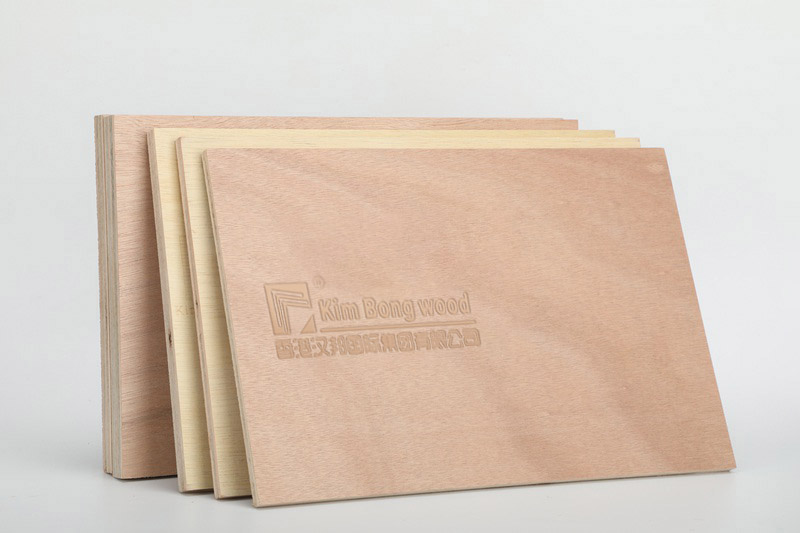
I. What Counts as Cabinet plywood
Kitchen cabinets usually use more than one thickness and sometimes more than one plywood type. If your estimate assumes only one sheet thickness, it will often be wrong.
Most cabinet builds commonly use:
3/4 in (18 mm) plywood for cabinet boxes, sides, bottoms, tops, and fixed shelves
1/2 in (12 mm) plywood for some cabinet backs, stretchers, or lighter-duty parts depending on construction
1/4 in (6 mm) plywood for nail-on backs or toe-kick skins in certain designs
Door and drawer fronts may use plywood, but many projects use solid wood, MDF, or other panels depending on finish requirements. Drawers may use plywood, solid wood, or specialty drawer stock. Because of that variation, the sheet count is best estimated in two layers:
Cabinet boxes (the main plywood consumer)
Optional components (backs, toe-kicks, drawer parts, panels)
II. The Estimation Method That Stays Accurate
Instead of guessing by kitchen size alone, estimate by cabinet count and cabinet type. The logic is simple: cabinet boxes are a set of repeated rectangles. Once you know how many boxes you have, you can estimate the parts area with good accuracy.
A practical process:
List cabinet units by type
Base cabinets, wall cabinets, tall/pantry cabinets, and any special units like lazy Susans or appliance garages.Decide the construction approach
Face-frame vs frameless, full back vs nail-on back, and whether shelves are fixed or adjustable. These choices change plywood area.Convert each unit to plywood area
Add areas for two sides, a bottom, a top or stretcher system, a back, and shelves.Apply a waste factor
Waste is real in cabinetry due to grain direction, defects, and nesting limits. For most kitchens, a waste factor of 10 to 20 percent is a realistic planning range. Projects with many small cabinets or unusual sizes can push higher.
Because buyers often want a quick answer, the next sections provide reference ranges based on typical cabinet boxes, then explain how to adjust them for your own layout.
III. Quick Reference: Typical Sheet Counts by Kitchen Size
The table below is for a common scenario: standard 4×8 sheets, cabinet boxes primarily in 3/4 in plywood, a mix of base and wall cabinets, and moderate waste control. It assumes doors and drawer fronts are not included.
| Kitchen layout size | Typical cabinet count | 3/4 in plywood sheets for boxes | Notes |
|---|---|---|---|
| Small kitchenette or single wall | 4 to 7 units | 4 to 8 sheets | Limited uppers, fewer shelves |
| Medium straight-line kitchen | 7 to 10 units | 7 to 12 sheets | More base units, more partitions |
| 10×10 L-shaped kitchen | 10 to 14 units | 10 to 16 sheets | Common reference size, moderate shelving |
| Large L or small U-shaped | 14 to 18 units | 14 to 22 sheets | Corner units increase waste |
| Large U-shaped with pantry | 18 to 24 units | 20 to 30 sheets | Tall units add sides and shelves |
These ranges are not a promise because designs vary, but they are directionally reliable for planning budgets and shipments. To tighten the estimate, use the next section to calculate by cabinet type.
IV. A Practical Per-Cabinet Sheet Estimate
If you do not want to calculate every panel, a per-cabinet approximation can get you close. For standard cabinetry, the plywood used per cabinet tends to fall into consistent bands.
A useful planning rule for 3/4 in plywood:
Base cabinet box: about 0.7 to 1.0 sheet equivalent per unit for standard widths when shelves and partitions are included
Wall cabinet box: about 0.4 to 0.7 sheet equivalent per unit
Tall pantry cabinet: about 1.2 to 2.0 sheet equivalents depending on height, shelf count, and whether it includes inner partitions
The reason tall cabinets consume more is simple: you buy two long side panels and multiple shelves that often cannot be nested efficiently with smaller pieces.
When you apply this method, keep your estimate grounded by cabinet mix. A kitchen heavy on tall units, drawer stacks, and narrow pull-outs will often require more sheets than the same linear footage of simple door cabinets.
V. What Increases Sheet Usage in Kitchen Cabinet Builds
Sheet count goes up when the layout forces low yield or when the design demands more internal parts. These are the main drivers.
Corner cabinets often create waste. Their parts are wider and more irregular, and many shops maintain grain direction on visible interiors, which reduces nesting flexibility. Lazy Susan designs can also require extra partitions and reinforcement parts.
More shelves increase sheet usage quickly. A single adjustable shelf in a 30-inch cabinet might not seem like much, but across multiple cabinets it adds significant area. Fixed shelves and dividers also add area, especially in drawer base units or trash pull-out units.
Full plywood backs increase material usage compared with 1/4 in nail-on backs. Full backs can improve squareness and rigidity and can look cleaner in exposed interiors, but they cost more in sheet count.
Thicker toe-kick structures and end panels also consume material. Decorative exposed ends, refrigerator panels, and finished gable ends can add multiple large panels that are easy to overlook in early estimates.
Finally, grain direction and face quality requirements can increase waste. If you require consistent grain flow on exposed interiors, you may need to cut fewer parts per sheet to maintain orientation.
VI. How to Estimate Sheets More Precisely Without CAD
If you want a more accurate number but do not have a cut-optimization program, you can still estimate tightly with a simple area method.
Convert every cabinet into panel area
For each cabinet, estimate:Two sides: height × depth × 2
Bottom and top or stretchers: width × depth
Back: height × width
Shelves: shelf count × width × depth
Sum area for all cabinets
Add up total square footage.Convert to sheet count
One 4×8 sheet is 32 ft². Divide total ft² by 32.Add waste factor
Multiply by 1.10 to 1.20 depending on complexity.
This method is usually accurate enough for quoting and procurement, especially when you group cabinets into types rather than calculating every unit to the inch.
VII. Plywood Choice Matters for Cabinet Yield and Finished Quality
Even if you calculate the sheet count correctly, the build can still fail if the panel choice is wrong for cabinetry. Cabinet projects rely on flatness, consistent thickness, and stable bonding because doors, drawers, and reveals magnify small panel inconsistencies.
Key plywood characteristics that affect cabinetry outcomes:
Thickness consistency for clean joinery and predictable hardware alignment
Core quality and low-void structure to improve screw holding and reduce weak spots at fasteners
Stable bonding to reduce delamination risk in kitchens where humidity and cleaning are normal
Surface grade options to match paint, laminate, or natural wood finishes
For buyers who want one supplier for multiple plywood categories and cabinet-related applications, KIM BONG WOOD provides a range of sheet options that help match the panel to the job rather than forcing a single grade into every use case.
Conclusion
There is no single fixed answer to how many sheets of plywood are needed to build kitchen cabinets, because sheet count is driven by cabinet count, cabinet types, construction method, and cutting yield. As a reliable planning range, many small kitchens fall into 4 to 12 sheets of 3/4 in plywood for boxes, while larger L-shaped and U-shaped kitchens with pantry units can reach 20 sheets or more. The most dependable way to estimate is to total panel area, convert it to sheet count, and include a realistic waste factor.
If you are sourcing plywood for cabinetry and want stable specifications across different applications, explore options here: plywood products
Previous: Can OSB Board Get Wet?