

How Thick Is Plywood?
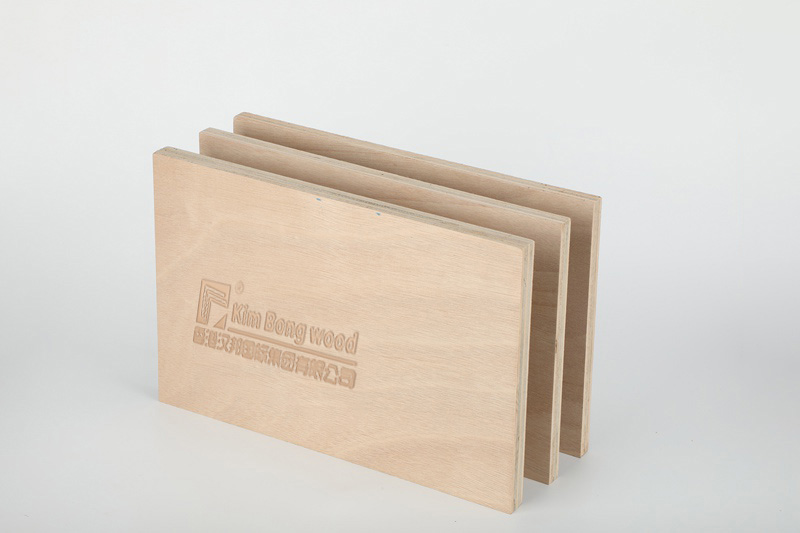
plywood does not come in just one standard thickness. In real production, it is available in several common sizes, and the right choice depends on how the board will be used. For furniture, cabinets, or interior panels, buyers usually look at both thickness and structure together. In this product line, Plywood Block Board is offered in typical options such as 5 mm, 9 mm, 12 mm, 15 mm, and 18 mm, which already shows how thickness varies based on different needs.
What “Thickness” Means In Practical Use
When people ask about plywood thickness, they are often trying to decide which board will work best in their project. Thickness is not just a number. It directly affects how strong the board feels, how much weight it can carry, and how stable it stays over time.
A thinner board is lighter and easier to handle, but it may not be strong enough for shelves or structural parts. A thicker board usually gives better support, but it also adds weight and cost. That is why most buyers do not choose thickness alone. They match it with the function of the panel.
Common Thickness Options And How They Are Used
In everyday use, plywood is often selected from a few standard ranges. This plywood block board covers the most common ones, from 5 mm up to 18 mm.
A 5 mm board is usually used where the panel does not need to carry much load, such as backing panels or decorative surfaces. At 9 mm, the board becomes more practical for light furniture parts. Once you move to 12 mm, 15 mm, or 18 mm, the board is typically used in areas where strength and stability matter more, such as cabinet structures or larger panels.
So instead of asking how thick plywood is, it is more useful to ask which thickness fits your application.
Why Block Board Feels Different
Not all plywood behaves the same way, even if the thickness looks similar. This product is block board, which means it has a solid wood strip core inside, with veneer layers on both sides. That structure gives it a different feel compared with standard layered plywood.
In practice, this means a 15 mm or 18 mm block board can offer better stiffness and support than a thinner layered board. For buyers, that difference matters when the board is used in furniture that needs to stay flat and stable over time.
How Buyers Usually Decide The Right Thickness
In most projects, thickness is chosen based on use. If the board is used as a cabinet back or a decorative panel, a thinner option may be enough. If it is used for shelves, side panels, or load-bearing parts, a thicker board is usually the safer choice.
Another factor is how the board will be processed. Thicker boards tend to hold screws and hardware better, which is important for furniture assembly. Thinner boards are easier to cut and lighter to transport, but may need extra support in the final structure.
This is why buyers often look at the whole system instead of just one number. The board has to fit both the design and the way it will be used.
Thickness And Cost Balance
Thickness also affects cost, but not always in a simple way. A thicker board uses more material, so the unit price is usually higher. At the same time, choosing a board that is too thin can create problems later, such as bending, poor fixing, or customer complaints.
For many buyers, especially in bulk orders, the goal is to find a balance. A board that performs well in real use can reduce rework and improve product consistency. In that sense, the right thickness can actually help control overall project cost.
More Than Just Thickness
Another point worth noting is that thickness is only one part of the board specification. This plywood block board is also designed with features such as moisture resistance, smooth surface finishing, and stable structure. These factors often matter just as much as thickness in real applications.
For example, in humid environments, moisture resistance may be more important than simply increasing thickness. In public or commercial projects, other requirements such as fire performance can also affect the final choice.
What Buyers Usually Check Before Ordering
Before placing an order, most buyers confirm a few key points. They check the thickness, the board structure, the intended use, and whether the product supports customization. This product supports OEM and ODM, with a minimum order quantity of 1000 pieces, which makes it suitable for larger projects and furniture production.
Consistency is also important. When panels are used across multiple cabinets or large interior spaces, thickness tolerance and surface quality need to stay stable. That is often a bigger concern than the thickness itself.
Conclusion
So, how thick is plywood? The short answer is that it comes in a range of standard sizes, such as 5 mm, 9 mm, 12 mm, 15 mm, and 18 mm. But in real use, the better question is which thickness works best for your project.
A plywood block board gives you more than just thickness. It combines structure, surface quality, and practical performance for furniture and interior use. If you are selecting boards for production or project supply and want to match thickness with the right application, feel free to contact us. We can help you find a more suitable option based on your needs.
Previous: When Was Plywood Invented?
Next: What Is Pet High Gloss?