

How to Improve Durability of Laminated Particle Boards?
Durability is a key concern when buyers source furniture boards for cabinets, wardrobes, shelving, office furniture, and interior projects. A board may look good on the surface, but its long-term performance depends on core density, surface bonding, edge sealing, moisture control, and processing quality.
Oak Effect Furniture Board is widely used in modern furniture manufacturing because it offers a natural wood-style appearance with stable panel performance. For wholesalers, furniture factories, and project buyers, choosing a reliable laminated Particle Board can help reduce warping, chipping, surface peeling, and after-sales issues.
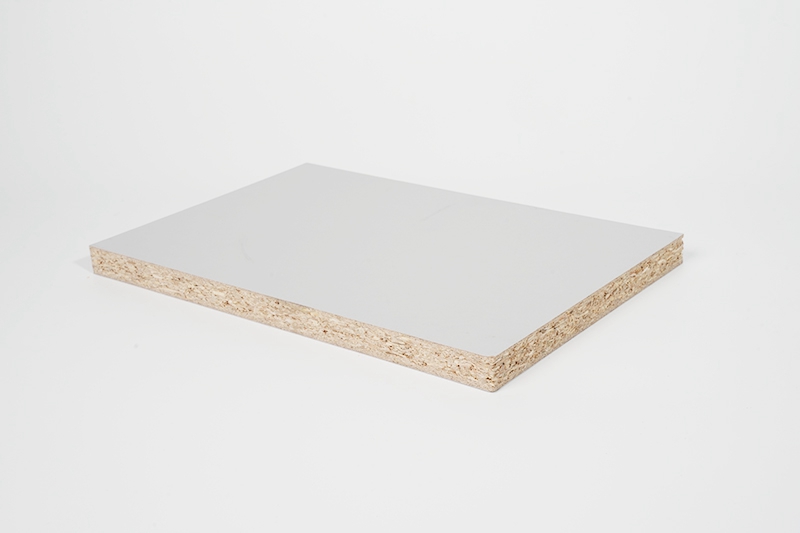
Start With A Stable Core Structure
The core is the foundation of board durability. If the particle board core is loose or uneven, the finished panel may crack, deform, or fail during cutting and assembly.
A stable core should have good density distribution and enough internal bonding strength. This helps the board stay flat during machining, drilling, edging, and long-term use.
For furniture manufacturers handling bulk production, core consistency is important because unstable boards can slow down processing and increase material waste.
Improve Surface Lamination Quality
Surface lamination protects the board and gives it the final decorative look. Poor lamination may cause peeling, bubbling, scratches, or uneven gloss after use.
For Oak Effect Furniture Boards, the surface finish should stay consistent across batches. This matters for cabinet doors, wardrobe panels, retail fixtures, and furniture sets where color matching is important.
A strong laminated surface improves scratch resistance, cleaning performance, and visual stability in daily use.
Control Moisture Resistance
Moisture is one of the main reasons particle boards lose durability. If the board absorbs too much moisture, it may swell, warp, or weaken at the edges.
For kitchen cabinets, bathroom furniture, storage units, and humid environments, buyers should pay special attention to moisture resistance. Surface protection and proper edge sealing can greatly improve service life.
During procurement, buyers should confirm whether the board is suitable for the intended application instead of choosing only by appearance.
Strengthen Edge Sealing
Edges are often the weakest part of furniture boards. Even when the surface is durable, poor edge sealing can allow moisture to enter the board core.
Good edge banding helps protect the board from swelling and chipping. It also improves the finished furniture appearance and makes the product feel more refined.
For OEM and ODM furniture projects, edge treatment should match the product positioning, whether it is for kitchen cabinets, wardrobes, office furniture, or commercial display fixtures.
Match Thickness With Application Needs
Different applications require different board thicknesses. A thin panel may work for backboards or light decorative use, while shelves, cabinet bodies, and work surfaces may need stronger thickness and better load-bearing performance.
Choosing the right thickness helps avoid bending, cracking, and installation problems. For bulk order buyers, this also helps control cost without sacrificing performance.
The key is not always choosing the thickest board, but selecting the right structure for the actual furniture use.
Check Processing Performance
Durable boards should perform well during cutting, drilling, grooving, and edge banding. If the board chips easily during machining, it can affect production efficiency and final product quality.
Furniture factories should check whether the board keeps clean edges after cutting and whether screws hold firmly after assembly. Good screw holding strength is especially important for cabinets, wardrobes, and shelving systems.
Stable processing performance helps reduce waste and keeps production more predictable.
Packaging Also Affects Board Quality
Even high-quality boards can be damaged during transportation if packaging is not handled properly. Surface scratches, corner damage, and moisture exposure can reduce usable quantity after delivery.
For overseas buyers, packaging should protect panels during loading, shipping, and warehouse storage. Clear labeling and stable pallet packing also help improve handling efficiency.
Bulk buyers should confirm packaging details before shipment to avoid unnecessary loss.
Conclusion
Improving the durability of laminated particle boards requires attention to core quality, surface lamination, moisture resistance, edge sealing, thickness selection, processing performance, and packaging protection.
For furniture manufacturers, wholesalers, and project buyers, durable oak effect furniture boards can support stable production and help create furniture with better appearance and longer service life.
Share your required size, thickness, finish, application, order quantity, and packaging needs with us. We can help review your project requirements and recommend suitable board specifications for your market and production plan.