

Why Fire Rated Marine Plywood Is the Top Choice for Seawater Corrosion Resistance in Yacht Construction?
Yacht construction is never just about appearance. Builders have to think about moisture, salt spray, structural stability, safety standards, and long-term maintenance at the same time. In a marine environment, ordinary panels may look acceptable at the beginning, but once they face constant humidity and seawater exposure, problems such as swelling, delamination, and surface damage can appear much faster than expected. That is why many yacht builders, interior contractors, and marine project buyers now give more attention to fire retardant marine plywood when selecting materials.
For this kind of application, the value is not only in being fire rated. The bigger point is that the board also needs to stay stable in wet, salty, high-humidity conditions. In yacht construction, that balance matters. A board that performs well in one area but fails in the other creates risk for the whole project.
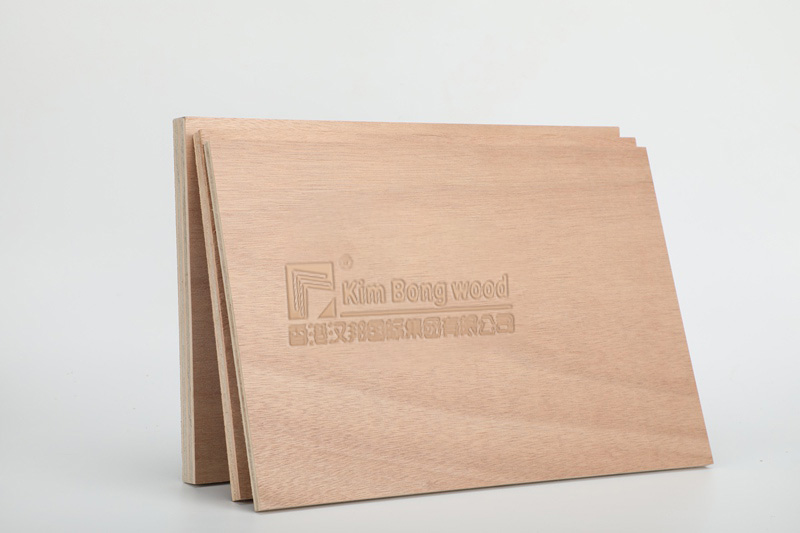
Why Seawater Resistance Matters So Much In Yacht Construction
Inside a yacht, wood panels are exposed to a very different environment from standard indoor furniture. Even if the board is used in cabins, partitions, ceilings, or decorative wall sections, it is still affected by marine moisture, changing temperatures, and salt in the air. Over time, these conditions can weaken poor-quality panels from the inside.
This is where fire retardant marine plywood stands out. It is built for humid and marine conditions, using water-resistant bonding systems and a structure that is more suitable for long-term exposure to seawater conditions. For yacht builders and OEM project buyers, that means fewer concerns about board failure, edge lifting, or hidden durability problems after installation.
Why Fire Safety And Corrosion Resistance Need To Work Together
In yacht construction, choosing materials is often about meeting two demands at once. One is fire performance. The other is resistance to seawater corrosion and moisture damage. If a board only offers one of these advantages, it may still create a weak point in the project.
Our product is made for that combined requirement. It brings together flame-retardant treatment and marine-grade durability, making it suitable for yacht interiors, partitions, decks, and other spaces where builders need more confidence in both safety and service life. This matters especially for commercial yacht projects, refit work, and marine interior supply programs where compliance, durability, and repeatable quality all affect purchasing decisions.
Why Builders Prefer This Material Over Ordinary Panels
For many marine buyers, the biggest problem is not finding a panel that looks good. It is finding one that keeps performing after months and years of service. Ordinary plywood may be easier to source, but it does not always hold up well in salt spray and high humidity. Once the board starts to absorb moisture, its structure can become less stable, and maintenance costs go up.
Fire retardant marine plywood gives builders a more reliable option because it is made for these harsher conditions. It offers better dimensional stability, stronger resistance to water-related damage, and a more suitable base for long-term marine use. That is especially important in yacht manufacturing, where replacement work is expensive and downtime is never welcome.
How It Supports OEM And Project Supply
Marine projects often require more than standard sheets. Buyers may need different thicknesses, custom sizing, stable repeat orders, and supplier support for long-term programs. That is why OEM and ODM capability matters in this category.
Our product supports common marine-use thicknesses and can work well for customers handling private label supply, project procurement, and customized yacht interior programs. For importers, contractors, and marine material distributors, this makes sourcing more practical. Instead of treating the board as a simple commodity, they can work with a supplier that understands project-based requirements and repeat production needs.
Why It Fits Modern Yacht Construction Better
Modern yacht construction asks for materials that are safer, more durable, and easier to integrate into efficient production. Builders want panels that are easier to process, easier to install, and less likely to create problems later. That is why fire retardant marine plywood continues to be a strong choice in this field.
It gives yacht builders a material that matches the real conditions of marine use rather than only looking suitable on paper. In seawater environments, that difference becomes very clear over time.
Conclusion
When yacht construction requires both fire protection and seawater corrosion resistance, material choice becomes a serious technical decision. Fire retardant marine plywood remains one of the most practical solutions because it helps balance safety, durability, and long-term performance in marine environments.
If you are selecting panels for yacht interiors, marine engineering, or related OEM projects, you can send us your thickness, application, or specification needs. We can help you review suitable options and provide practical support for your next marine board order.