

How Fire Rated Plywood Supports Interior Safety Compliance?
Interior safety is a major concern in commercial buildings, hotels, schools, offices, retail spaces, and public facilities. When wood-based panels are used for walls, ceilings, furniture, partitions, or decorative surfaces, buyers need materials that can support fire safety requirements while still offering practical processing performance.
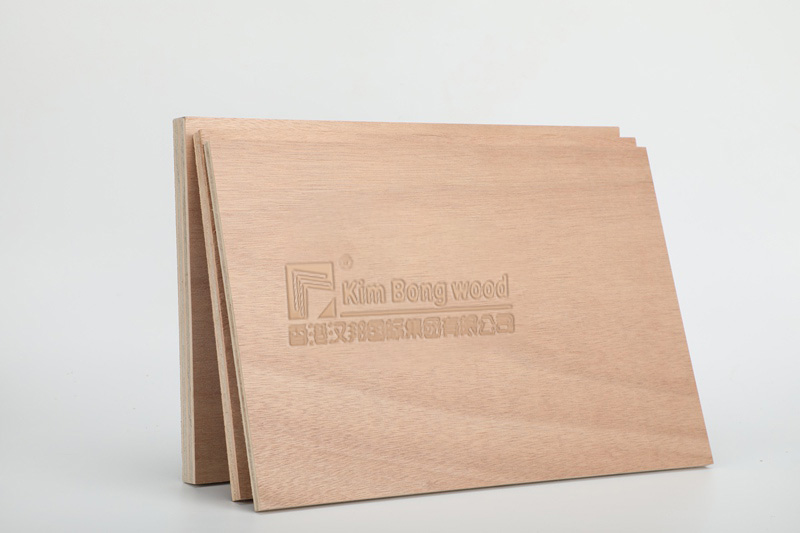
Fire Retardant Treated Plywood is often selected for projects where appearance, workability, and safety performance must be considered together. Compared with ordinary plywood, it is treated to help slow flame spread and improve safety performance in interior applications.
Why Fire Rated Panels Matter In Interior Projects
Interior materials can affect how quickly fire spreads inside a building. In high-traffic spaces, project buyers and contractors often need panels that meet local fire safety expectations.
Fire rated plywood helps reduce risk in areas where wood panels are used as part of the interior structure or decoration. It can be applied in wall panels, ceiling boards, furniture bases, cabinets, doors, and public-area fit-out projects.
For buyers who also compare materials such as fire retardant treated osb, fire retardant plywood can offer a smoother surface, better machining performance, and wider use in decorative interior applications.
Material Treatment Affects Fire Performance
The fire performance of plywood depends on the treatment process, raw material quality, glue system, and panel structure. If treatment is uneven, the board may not perform consistently across the full panel.
For bulk orders, this consistency is very important. A project may require hundreds or thousands of panels, and each batch should maintain stable performance. Buyers should confirm treatment quality, board thickness, and application requirements before ordering.
A reliable fire retardant board should support both safety needs and practical production use.
Plywood Supports Flexible Interior Use
Fire rated plywood is useful because it can be cut, drilled, shaped, and installed with common woodworking methods. This makes it easier for contractors and furniture manufacturers to use in different project conditions.
Common applications include:
hotel interior wall panels
commercial ceiling systems
office partitions
public area furniture
retail display fixtures
school and institutional interiors
For these uses, buyers need materials that are not only safer, but also easy to process and stable during installation.
Compliance Starts With Clear Project Requirements
Different markets and projects may have different fire safety requirements. Before sourcing panels, buyers should confirm the required fire rating, thickness, installation method, and final use.
A panel used for decorative furniture may not need the same performance as one used in wall or ceiling systems. Clear technical requirements help avoid buying the wrong material and reduce approval delays during construction.
For contractors and project suppliers, early specification confirmation can save time and reduce rework.
Quality Consistency Reduces Project Risk
In large interior projects, unstable panel quality can create serious problems. Thickness variation, surface defects, weak bonding, or uneven treatment may affect installation and inspection results.
Fire Retardant Treated Plywood should maintain stable thickness, surface flatness, internal bonding, and treatment performance across batches. For wholesalers and project buyers, this helps improve delivery confidence and reduce after-sales pressure.
Consistent quality also supports repeat orders for long-term supply programs.
OEM And ODM Support For Project Supply
Some buyers need customized panel sizes, thicknesses, surface finishes, or packaging methods. OEM and ODM support can help match the panel to project requirements, furniture production needs, or regional market preferences.
Customization may include:
board thickness adjustment
panel size selection
surface veneer options
packaging for export shipment
project-based quantity planning
This flexibility is important for distributors, contractors, and furniture factories that need stable material supply for different applications.
Packaging And Delivery Are Part Of Safety Supply
Fire rated panels must arrive in good condition to support project schedules. Poor packaging can lead to edge damage, moisture exposure, panel bending, or surface scratches.
For overseas buyers, strong pallet packaging, moisture protection, clear labels, and careful loading help protect the boards during transportation. This reduces site delays and improves material handling after delivery.
Good packaging is especially important for bulk orders used in construction and interior fit-out projects.
Conclusion
Fire rated plywood supports interior safety compliance by helping reduce flame spread risk while offering practical processing performance for commercial interiors, furniture, walls, ceilings, and public spaces.
For buyers sourcing fire retardant treated plywood, the key is to check treatment consistency, board structure, thickness, application suitability, packaging, and supply stability.
Share your project application, required thickness, panel size, fire performance needs, quantity, and packaging requirements with us. We can help review your sourcing plan and recommend suitable fire retardant board options for your market or project.