

How to Choose Eco Friendly Particle Board for Furniture Manufacturing?
Eco friendly Particle Board is becoming a practical choice for furniture factories, cabinet manufacturers, interior contractors, and panel distributors. Buyers are no longer looking only at price and appearance. They also care about indoor safety, emission control, processing stability, and whether the board can meet export market requirements.
For furniture manufacturing, Eco Friendly particle board can be used in cabinets, wardrobes, shelves, office furniture, children’s furniture, and interior panels. The key is to choose a board that supports both environmental requirements and stable production performance.
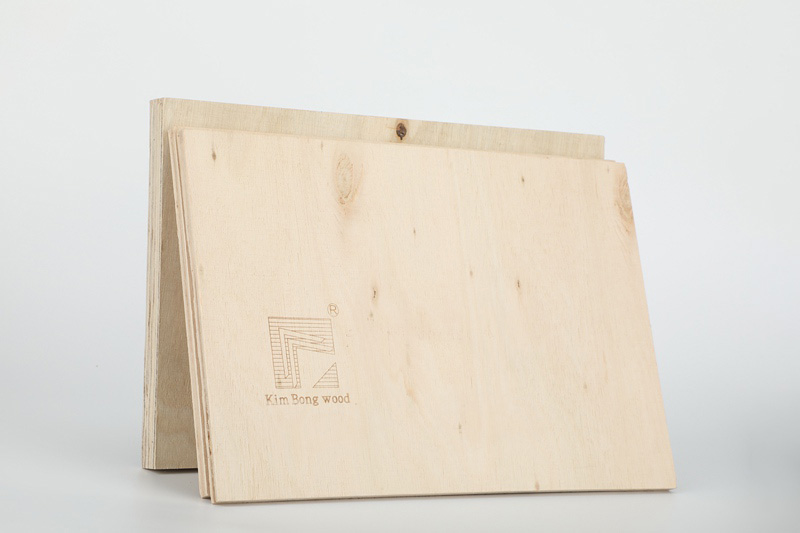
Check Formaldehyde Emission Performance
Environmental performance is the first factor buyers should review. Furniture boards are used indoors for a long time, so low emission performance is important for living spaces, offices, hotels, schools, and retail interiors.
When choosing particle board, buyers should check whether the board meets the required market standard, such as E0, E1, or other low-emission requirements. For export buyers, this helps reduce compliance risk and makes the finished furniture easier to enter different markets.
A low-emission board can also reduce odor problems after furniture assembly, which is a common concern for end users.
Review Core Strength And Board Stability
Eco friendly does not only mean low emission. The board still needs enough strength for furniture production. A weak core may cause screw loosening, edge chipping, bending, or cracking during assembly.
For cabinet bodies, wardrobes, shelving, and office furniture, the board must hold screws well and stay stable after cutting, drilling, and edge banding.
Buyers should check density, internal bonding strength, thickness tolerance, and flatness before placing bulk orders. These details directly affect production efficiency and finished furniture quality.
Match The Board To The Application
Different furniture products require different board specifications. A board used for light decorative panels may not need the same performance as a board used for shelves or load-bearing cabinet parts.
For kitchen cabinets, moisture resistance may be more important. For children’s furniture, low emission and smooth surface quality matter more. For office furniture, surface consistency and processing stability are key concerns.
Before ordering, buyers should define the final application clearly, then choose the right thickness, grade, and surface treatment.
Check Surface Compatibility
Particle board is often used with melamine paper, veneer, PET surface, laminate, or other decorative finishes. If the board surface is not stable, lamination may become uneven or peel during later processing.
A good board should support clean cutting, smooth edging, and stable surface bonding. This helps furniture factories reduce defects and improve production speed.
For OEM and ODM furniture projects, surface compatibility is especially important because buyers may need different colors, finishes, or decorative styles for different markets.
Confirm Bulk Order Consistency
One good sample is not enough for long-term supply. Buyers should confirm whether the supplier can maintain stable board quality across repeated orders.
Consistency should cover:
board thickness
density and flatness
emission level
surface quality
moisture control
packaging protection
For wholesalers and furniture manufacturers, consistent quality helps reduce waste, control production schedules, and maintain customer trust.
Consider Packaging And Storage
Eco friendly particle board must be protected from moisture, edge damage, and surface scratches during transportation. Poor packaging can cause swelling, bending, or damaged corners before the board reaches the factory.
For export orders, strong pallet packing, moisture protection, edge guards, and clear labels can help reduce delivery loss. Buyers should also store boards in dry, flat, and ventilated areas before processing.
Good packaging is part of total cost control, especially for bulk purchasing.
Work With A Supplier That Understands Furniture Manufacturing
A reliable board supplier should understand how furniture factories use panels in real production. Price is important, but technical support, specification matching, and stable lead time are equally valuable.
Custom support can include size, thickness, surface requirement, packaging method, and order planning. This helps buyers reduce unnecessary cost while keeping the board suitable for the target furniture application.
Conclusion
Choosing eco friendly particle board for furniture manufacturing requires attention to emission performance, core strength, board stability, surface compatibility, application needs, bulk consistency, and packaging.
For furniture factories, wholesalers, and project buyers, the right board can help improve indoor safety, reduce processing waste, and support stable production.
Send us your required size, thickness, application, emission requirement, order quantity, and packaging needs. We can help review your production requirements and recommend a suitable board solution for your furniture manufacturing plan.