

Best Engineered Wood for Flush Doors and Wardrobes: Blockboard Advantages for Wholesalers
Flush doors and wardrobes are high-volume products in the furniture and interior fit-out industry. Wholesalers and manufacturers constantly look for materials that deliver flat surfaces, strong screw holding, dimensional stability, and lighter weight without compromising quality or increasing production costs.
Lumber core plywood, often referred to as blockboard in many markets, stands out as one of the most practical engineered wood options for these applications. Its solid wood strip core provides excellent rigidity while keeping the panel lightweight and easy to handle in high-volume manufacturing environments.
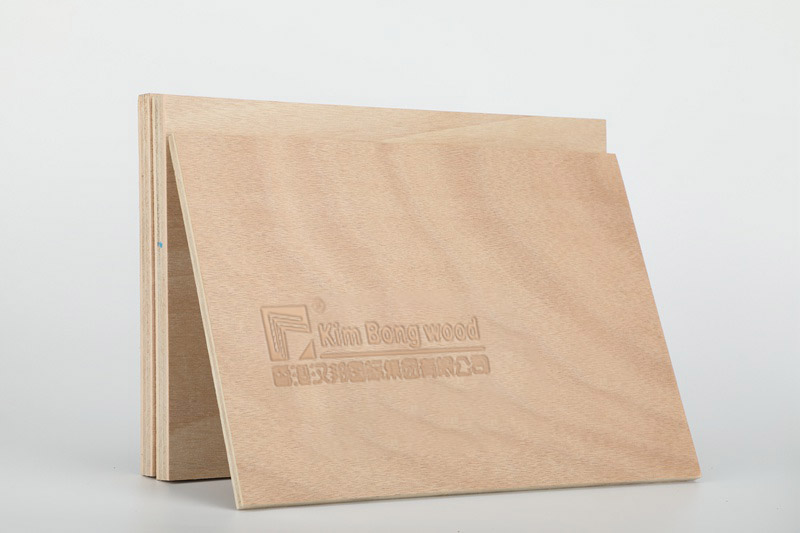
Understanding Blockboard Structure and Performance
Blockboard features a core made from edge-glued softwood strips or blocks, sandwiched between thin veneer layers on both faces. This construction gives the board superior stiffness compared to standard plywood in vertical applications.
For flush doors, this structure helps maintain straightness over full height, reducing warping issues that can lead to doors sticking or hinges failing prematurely. Wholesalers serving builders and contractors appreciate this because fewer field complaints mean smoother distribution and repeat orders.
In wardrobes, especially tall units or sliding door systems, the core helps resist bowing under the weight of hanging clothes and internal shelving. Many B2B buyers report that switching to blockboard for door panels and side components cuts down on returns related to dimensional changes during seasonal humidity shifts.
Key Advantages for Furniture Manufacturers and Wholesalers
Production efficiency matters in competitive markets. Blockboard is noticeably lighter than equivalent thickness plywood, which speeds up material handling, cutting, and assembly lines while lowering shipping costs for both domestic and export shipments.
Screw holding power is another major plus. The solid lumber core grips hinges, locks, and handles more reliably than hollow or particle-based alternatives. This reduces the need for additional reinforcements and gives finished products a more premium, durable feel that end customers notice.
Surface quality is smooth and consistent, making it ideal for veneering, laminating, or direct painting. Manufacturers can achieve clean edges and professional finishes with standard tooling, which helps keep labor costs under control.
For wholesalers stocking large quantities, the material’s stability translates to easier inventory management — panels stay flat in storage and during transport, minimizing waste from warped stock.
Ideal Applications in Flush Doors and Wardrobes
In flush door production, blockboard excels for interior applications where lightweight construction and flatness are priorities. The panel’s rigidity supports full-height doors without excessive flex, while the lighter weight eases installation for contractors working on residential or commercial projects.
Wardrobe manufacturers often use it for front panels, doors, and vertical dividers. When combined with proper edge banding and moisture-resistant treatments, it performs well even in regions with varying humidity levels. The strong core helps prevent sagging in tall wardrobe structures, a common pain point when using lighter MDF or standard plywood over long vertical spans.
Many OEM and ODM partners also appreciate the versatility. Suppliers can provide custom thicknesses from 15mm to 18mm, different face veneers, and specialized treatments such as moisture-resistant or fire-retardant options to match specific project requirements or regional building codes.
Addressing Common B2B Pain Points
Wholesalers and furniture factories frequently face challenges with material deformation, high transport costs, and inconsistent quality across batches. Blockboard helps mitigate these issues through its stable lumber core construction.
Reduced weight directly lowers container loading costs and makes on-site handling safer and faster for installation crews. Stronger screw retention means fewer hardware failures after installation, which protects your brand reputation and reduces warranty claims.
For buyers dealing with tight production schedules, the board’s good machinability allows faster throughput without frequent tool changes. Consistent flatness also means less time spent on sanding or corrective work before finishing.
Why Wholesalers Choose Reliable Blockboard Suppliers
Scaling a furniture wholesale or manufacturing business requires dependable partners who understand volume orders and customization needs. Working with experienced manufacturers allows access to steady supply, consistent specifications, and flexible production runs tailored to your market demands.
Our blockboard range is designed with these B2B requirements in mind, offering reliable performance for flush doors, wardrobe systems, and related interior components.
Conclusion
Lumber core plywood (blockboard) delivers a smart balance of lightness, rigidity, screw-holding strength, and cost efficiency that makes it one of the best engineered wood choices for flush doors and wardrobes. For wholesalers and manufacturers looking to improve product quality while controlling costs and reducing complaints, it provides clear advantages over standard plywood in vertical and large-panel applications.
If you are sourcing materials for your next production run or expanding your wholesale range, we invite you to explore our Plywood Block Board options. We support wholesale inquiries, bulk orders, and custom specifications to match your exact requirements.
Have questions about thicknesses, treatments, or suitability for your specific door and wardrobe designs? Feel free to reach out — our team is ready to provide detailed guidance and competitive pricing to help your business grow. Contact us today for a quote tailored to your volume needs.