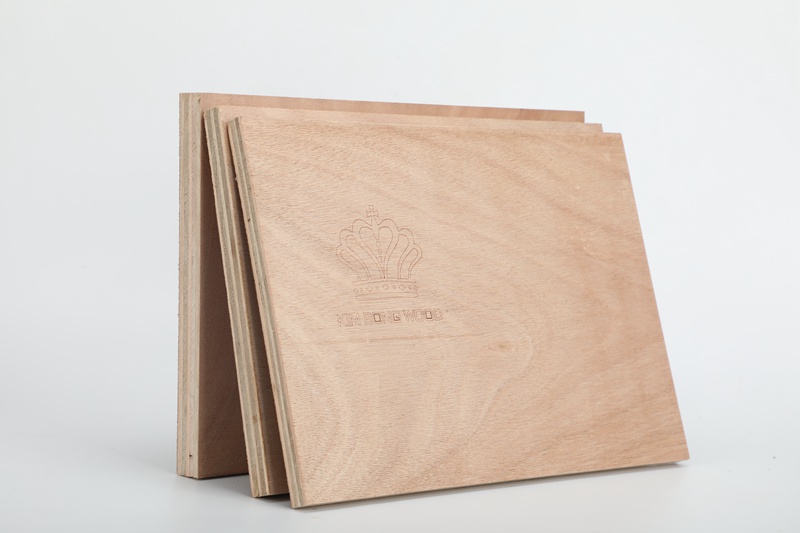

Can You Paint Fire Rated Plywood?
Yes, fire rated plywood can often be painted, but it should not be handled like ordinary decorative plywood. For contractors, furniture factories, interior fit-out teams, and building material distributors, the real question is not only whether paint can be applied. The bigger concern is whether the coating will affect fire performance, inspection approval, surface adhesion, and long-term project use.
In commercial interiors, hospitals, schools, hotels, public buildings, cabinets, wall panels, and partition projects, buyers may need the plywood to meet both safety and design requirements. A raw board may meet the fire-retardant requirement, but the final surface still needs to match the project style. This is where painting becomes useful, but it must be planned carefully.
Painting Should Not Hide The Fire Performance Requirement
Fire rated plywood is selected because the project has a fire-safety requirement. If the board is painted with the wrong coating, covered too heavily, or finished without checking compatibility, the buyer may face questions during inspection.
For project buyers, this is the key point: the board and the finish should be reviewed together. Do not approve the plywood first and choose the paint later without checking whether the coating system is suitable for fire-retardant wood. In many building projects, the material certificate, surface finish, installation position, and local fire code all need to match the final use.
A painted surface may improve appearance, but it should not create uncertainty around compliance.
Surface Preparation Affects Paint Adhesion
Fire-retardant treatment can change how the plywood surface behaves. Before painting, the surface should be clean, dry, and free from dust, oil, or loose particles. If moisture content is too high, the coating may not bond well. If the board surface is too rough or uneven, the final finish may show defects after installation.
For factories and contractors, this preparation step matters because repainting after installation is costly. A poorly prepared panel may look acceptable during sampling but show peeling, uneven color, or weak adhesion after delivery.
Before bulk finishing, it is better to test a small area first. This helps confirm how the primer and topcoat react with the board surface. It also gives the buyer a more realistic view of the final color, texture, and coverage.
Choose A Coating That Fits The Project Use
Different applications need different finishes. A cabinet panel, interior partition, wall lining, hotel corridor panel, or public facility board may face different cleaning, wear, humidity, and appearance requirements.
If the plywood will be used in an area with fire-performance requirements, buyers should choose paint or coating systems that are suitable for treated wood and approved for the project environment. In some cases, fire-retardant paint or compatible decorative coatings may be considered. In other cases, the project may require a more controlled finish based on the designer’s specification and inspection needs.
Our Class A Fire Rated Plywood is available in common thickness options such as 5mm, 9mm, 12mm, 15mm, and 18mm. For B2B buyers, this gives more flexibility when matching board thickness with furniture production, wall panels, partitions, and interior fit-out needs.
Painting Decisions Should Be Made Before Bulk Orders
A common mistake is treating painting as a later workshop step. For bulk projects, this can create problems. If the paint system is not tested before ordering, the buyer may discover too late that the finish does not adhere well, the color does not look stable, or the surface preparation takes more labor than expected.
Before confirming a bulk order, buyers should review:
Board thickness required by the project
Fire-retardant requirement and documentation
Paint or coating compatibility
Surface sanding and cleaning method
Primer and topcoat selection
Indoor humidity and installation environment
Final use area and inspection requirement
Packaging protection after finishing
These checks help avoid a situation where the plywood arrives correctly, but the finishing process delays production.
Painted Fire Rated Plywood Still Needs Proper Handling
After painting, the board should still be protected during storage, transport, and installation. Scratched surfaces, exposed edges, water contact, or rough site handling can affect both appearance and project acceptance.
For distributors and contractors, packaging and jobsite protection should not be ignored. If painted boards are stacked carelessly or exposed to moisture, the final panels may need touch-up work before installation. In large projects, repeated touch-up work can increase labor cost and slow down delivery.
The fire-retardant board should also be cut, sealed, and installed according to project requirements. If edges are cut on site, buyers should check whether additional edge treatment or coating repair is needed.
Conclusion
Fire rated plywood can be painted, but the paint system should be chosen with care. Buyers should confirm coating compatibility, surface preparation, fire-safety requirements, documentation, and final application before bulk production begins.
For contractors, furniture manufacturers, interior fit-out buyers, and building material distributors, the safest approach is to test the coating before placing large orders. This helps avoid adhesion problems, color differences, inspection questions, and finishing delays.
If your project needs painted class a fire rated plywood for cabinets, wall panels, partitions, or public building interiors, share the board thickness, finish style, fire requirement, and application area with us first. We can help review whether the plywood and surface finishing plan are practical before production starts.