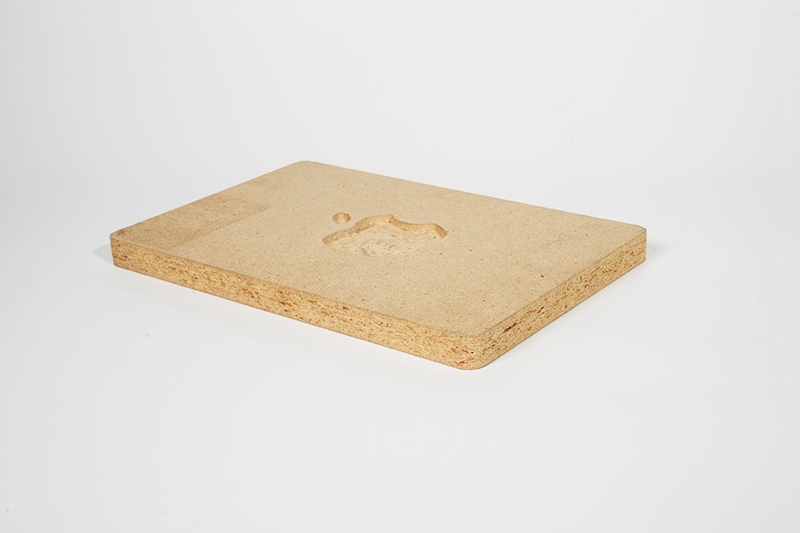

Is Osb Board Waterproof?
OSB Board is not fully waterproof. This is the first point that contractors, building material distributors, furniture factories, and interior project buyers should understand before placing an order. OSB can have good structural strength and certain moisture resistance, but long-term water soaking, exposed edges, poor storage, or direct outdoor use without protection can still cause swelling, edge expansion, or surface damage.
For B2B buyers, the real problem is not the word “waterproof” itself. The bigger issue is choosing the wrong board for the wrong environment, then facing complaints after installation. If OSB is used in a damp wall area, commercial interior project, furniture base, or wall panel application without checking moisture conditions, the board may perform differently from what the buyer expected.
Waterproof And Moisture-Resistant Are Not The Same
Many buyers hear “wood board for walls” and immediately ask whether it is waterproof. A better way to ask is: how much moisture will the board face, and for how long?
A board used for indoor wall decoration, wall base treatment, furniture manufacturing, or commercial interior panels usually faces normal indoor humidity, cleaning moisture, and temperature changes. That is different from direct rain exposure, standing water, or long-term contact with wet floors.
osb board can be practical for interior use when the environment is controlled. It should be protected from long-term soaking, unsealed edges, and poor ventilation. For projects where the board may face repeated water exposure, buyers should check the application carefully before confirming the specification.
Edge Protection Decides Many After-Sales Problems
OSB does not always fail from the center of the board first. In many projects, problems begin at the edges. If the cut edges are exposed to moisture, they may absorb water faster than the main surface. This can lead to swelling, uneven joints, or visible gaps after installation.
For contractors and furniture manufacturers, this is where small preparation details matter. Cutting, drilling, fixing, and edge treatment should be planned before installation. If the board will be used in a bathroom-adjacent area, kitchen wall base, commercial interior, or humid room, the edges should not be left untreated.
A buyer may choose a good board, but if the jobsite cutting and sealing are careless, the final wall or furniture structure may still receive complaints later.
Storage Before Installation Is Part Of Quality Control
Moisture problems can appear before the board even reaches the wall. If boards are stored directly on a damp floor, left in an open warehouse, or exposed to rain during transport unloading, the material may absorb moisture before installation begins.
For distributors and project contractors, storage rules should be clear:
Keep boards flat and raised from the floor
Avoid rain exposure during loading and unloading
Store in a ventilated indoor area
Keep packaging intact before use
Let boards adapt to the indoor environment before installation when needed
Check edges and corners before cutting
These steps are simple, but they can reduce unnecessary disputes. If the board is affected by moisture before installation, the final project may be blamed on material quality even when the real issue came from handling.
Where OSB Board Works Better
We are KIMBONGWOOD, and our OSB Board for Walls is designed for interior wall use, decoration, and wall surface protection. It has a natural wood texture, a uniform surface, and thickness options such as 8mm and 18mm for different project needs.
For B2B buyers, this type of board is more suitable for indoor wall decoration, commercial space design, educational interiors, furniture manufacturing, and controlled interior environments. It can help create a warmer wood-style surface while supporting practical installation and processing.
However, buyers should avoid treating OSB as a direct replacement for outdoor waterproof panels. If the project requires exterior exposure, wet-area use, or long-term water contact, the board specification and surface protection plan should be reviewed first.
How Buyers Should Reduce Moisture Risk
Before ordering OSB board in bulk, buyers should review the final environment. Will the board be used indoors or outdoors? Will it be near water? Will the edges be cut on site? Will the surface be painted, sealed, laminated, or left natural? Will the project need higher humidity resistance?
These questions help avoid wrong expectations. For interior wall and furniture applications, OSB can be a practical choice when the installation environment is dry and controlled. For areas with higher humidity, buyers should plan surface finishing, edge sealing, ventilation, and maintenance before installation begins.
Bulk buyers should also confirm packaging and transport details. Regenerated wooden base packaging can support shipment handling, but the boards still need proper protection during storage and delivery.
Conclusion
OSB board is not fully waterproof, but it can be suitable for many indoor wall, furniture, and commercial interior applications when moisture exposure is controlled. The key is to use it in the right place, protect cut edges, store it properly, and avoid long-term water contact.
If your project needs OSB Board for Walls for interior decoration, commercial wall panels, furniture production, or building material distribution, the best starting point is to review the real environment first. Share the application area, board thickness, surface finish, humidity condition, and order quantity with us, and we can help check whether our OSB board is a suitable direction before bulk purchasing.